Idaho Truck Accident Attorneys
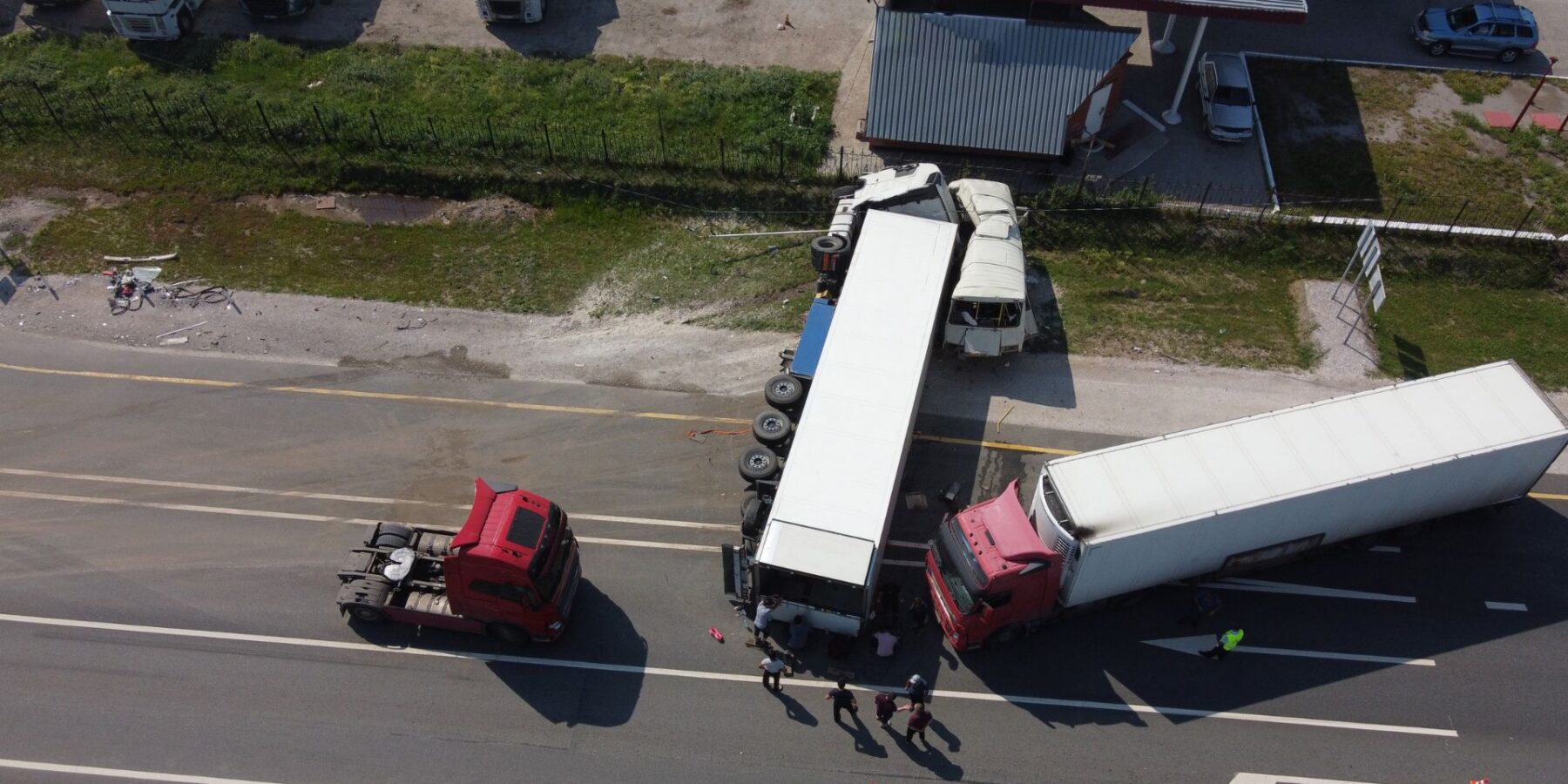
A truck accident can leave you facing injuries, vehicle damage, medical treatment, missed income, and pressure from trucking insurers that know how to protect themselves quickly. Idaho truck accident attorneys can help you respond with a claim built around evidence and the full cost of recovery. Goldberg & Loren represents injured people who need a legal team prepared to investigate serious truck crashes before important proof disappears.
Truck accident claims in Idaho can involve 18-wheelers, semi trucks, big rigs, delivery trucks, trash trucks, and other heavy vehicles that can cause devastating harm due to their large size. These cases often require deeper investigation because responsibility may extend beyond the driver to a trucking company, maintenance provider, cargo loader, or another business connected to the vehicle. If you were recently in a truck accident in Idaho, call Goldberg & Loren at (208) 886-1120 for a free consultation and learn how we can get you the maximum compensation for your truck accident claim in Idaho.
Why Truck Accident Claims in Idaho Require Immediate Legal Action
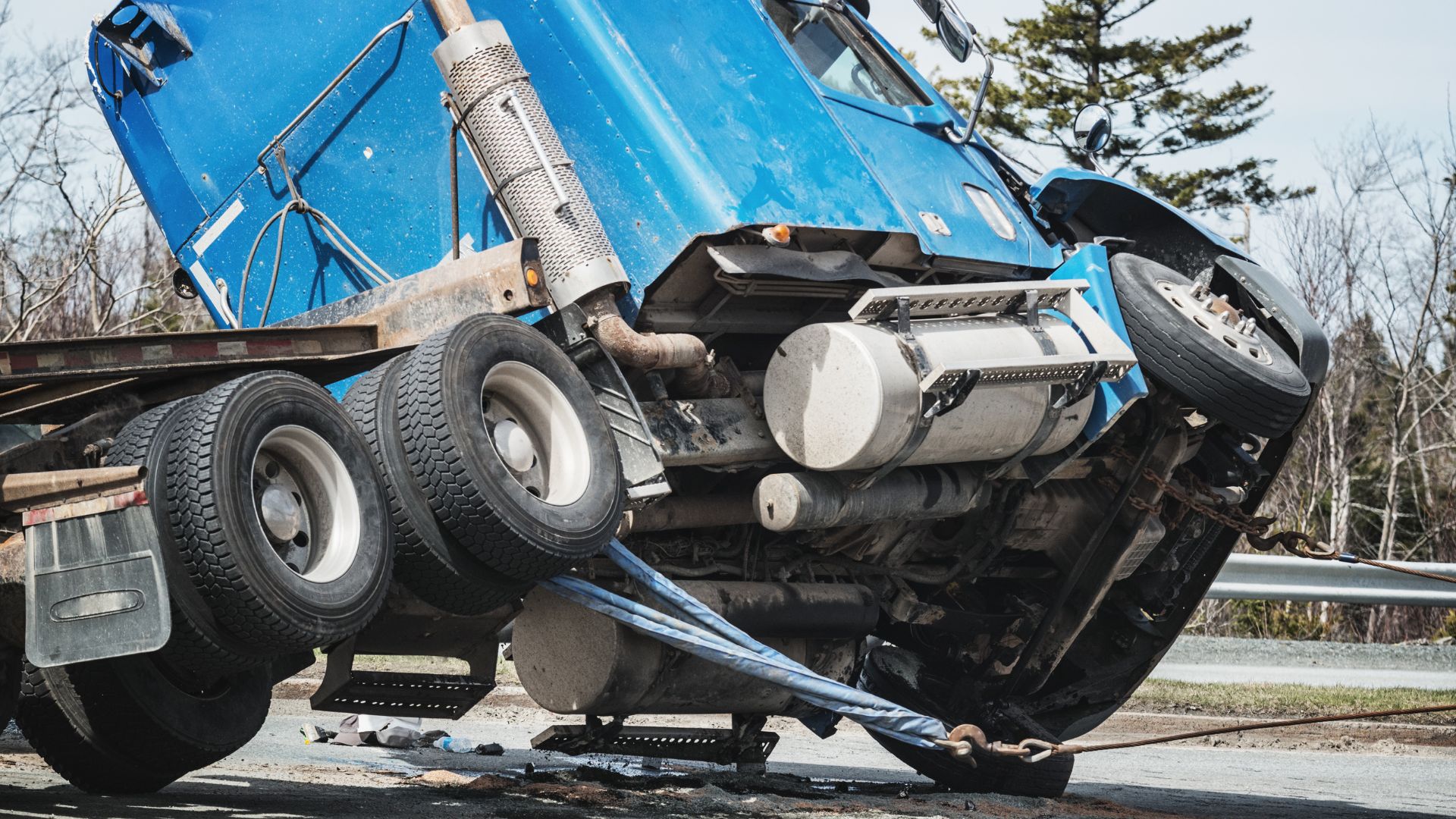
Truck accident claims move quickly because trucking companies, commercial insurers, and defense teams often begin protecting their side almost immediately. Goldberg & Loren step in early to preserve records, identify responsible parties, and prevent the claim from being shaped by the trucking company’s version of events. These cases may involve driver logs, black box data, inspection reports, dispatch records, cargo documents, and maintenance histories that are not usually part of a standard car accident claim. When that information is delayed or lost, proving fault can become much harder. Fast legal action helps protect the evidence that may decide the case.
A serious truck crash can also create medical and financial pressure before the injured person understands the full extent of the damage. Hospital treatment, time away from work, vehicle loss, and long-term recovery needs can develop while insurers push for statements or early claim decisions. Idaho truck accident lawyers can review the crash, manage communication, and begin building the claim before important deadlines or records become a problem. Early action does not mean rushing the case. It means protecting the claim before the other side gains control.
Trucking Companies May Control Critical Evidence
Trucking companies may have access to records that explain what happened before the crash. Those records can include driver schedules, GPS data, inspection reports, maintenance logs, dispatch instructions, and electronic control module information. Idaho truck accident attorneys can send preservation requests before documents disappear through routine retention practices. This matters because company-held evidence may show fatigue, unsafe scheduling, poor maintenance, or ignored safety problems. Strong truck accident claims often depend on records that the injured person cannot access alone.
Driver Logs Can Show Fatigue and Schedule Pressure
Driver logs may reveal how long the truck operator had been driving before the collision. These records can also show rest breaks, route timing, delivery pressure, and possible hours of service problems. When fatigue played a role, log data can connect unsafe scheduling decisions to the crash.
Black Box Data Can Confirm Speed and Braking
Electronic truck data may show speed, braking, throttle use, and sudden movement before impact. This information can challenge a driver’s account when the physical evidence tells a different story. Preserving digital data early can prevent critical proof from being lost.
Commercial Insurance Carriers Move Quickly
Commercial insurance carriers often respond fast after a truck crash because the potential exposure can be high. Adjusters may contact injured people, request statements, inspect vehicles, and begin building defenses before medical treatment is complete. Idaho truck accident lawyers can manage that communication so injured people do not answer pressure-driven questions without understanding the consequences. Commercial insurers may also look for ways to dispute injuries, shift fault, or limit available coverage. Early legal involvement can prevent rushed responses from weakening the claim.
Recorded Statements Can Lock In Incomplete Details
Recorded statements can become harmful when they happen before pain, diagnoses, and treatment plans are fully understood. An injured person may accidentally understate symptoms or guess about crash details while still shaken. Insurance companies may later compare those early words against medical records or witness accounts.
Early Adjuster Contact Can Shift Blame Unfairly
Adjusters may ask questions that focus on speed, lane position, visibility, or reaction time in ways that favor the trucking company. Those questions can make the crash appear simpler than it really was. Legal review helps keep communication grounded in complete facts.
Multiple Parties May Share Responsibility
Truck accident liability may extend beyond the driver who caused the crash. A trucking company, maintenance contractor, cargo loader, broker, parts provider, or vehicle owner may share responsibility depending on the facts. Idaho truck accident attorneys can investigate each connection instead of treating the crash like a single-driver claim. This broader review matters when unsafe business practices contributed to the collision. Identifying every responsible party can affect both liability and available insurance coverage.
Maintenance Records Can Reveal Preventable Mechanical Failures
Maintenance records may show missed inspections, delayed repairs, worn brakes, tire problems, or steering issues. These records can help prove that the truck should not have been operating in its condition. Mechanical evidence can move the claim beyond driver error alone.
Cargo Documents Can Expose Unsafe Loading Decisions
Cargo records may show overweight loads, poor securement, uneven distribution, or loading shortcuts. Unsafe cargo can affect braking distance, rollover risk, and vehicle control. These documents can connect loading decisions to the crash.
Serious Injuries Need Early Damage Documentation
Truck accidents often cause injuries that require emergency care, surgery, rehabilitation, specialist treatment, or extended time away from work. Early damage documentation helps show how the crash affected the injured person before insurers reduce the claim to limited records. Idaho truck accident lawyers can help organize medical records, employment proof, repair documents, and evidence of daily limitations. This work matters when the injury continues changing after the first hospital visit. Damage proof should begin before settlement pressure builds.
Hospital Records Should Connect Injuries to Impact Force
Hospital records can document diagnoses, imaging results, symptoms, treatment recommendations, and immediate physical limitations. These records help explain how the force of a truck crash caused serious harm. Early medical documentation can make injury disputes harder for insurers to sustain.
Work Restrictions Can Prove Financial Harm Early
Work restrictions can show why missed income, reduced hours, or job limitations followed the crash. Employer records and medical notes can connect those losses to the injury timeline. Early wage documentation helps protect financial recovery before negotiations begin.
Common Causes of Truck Accidents in Idaho
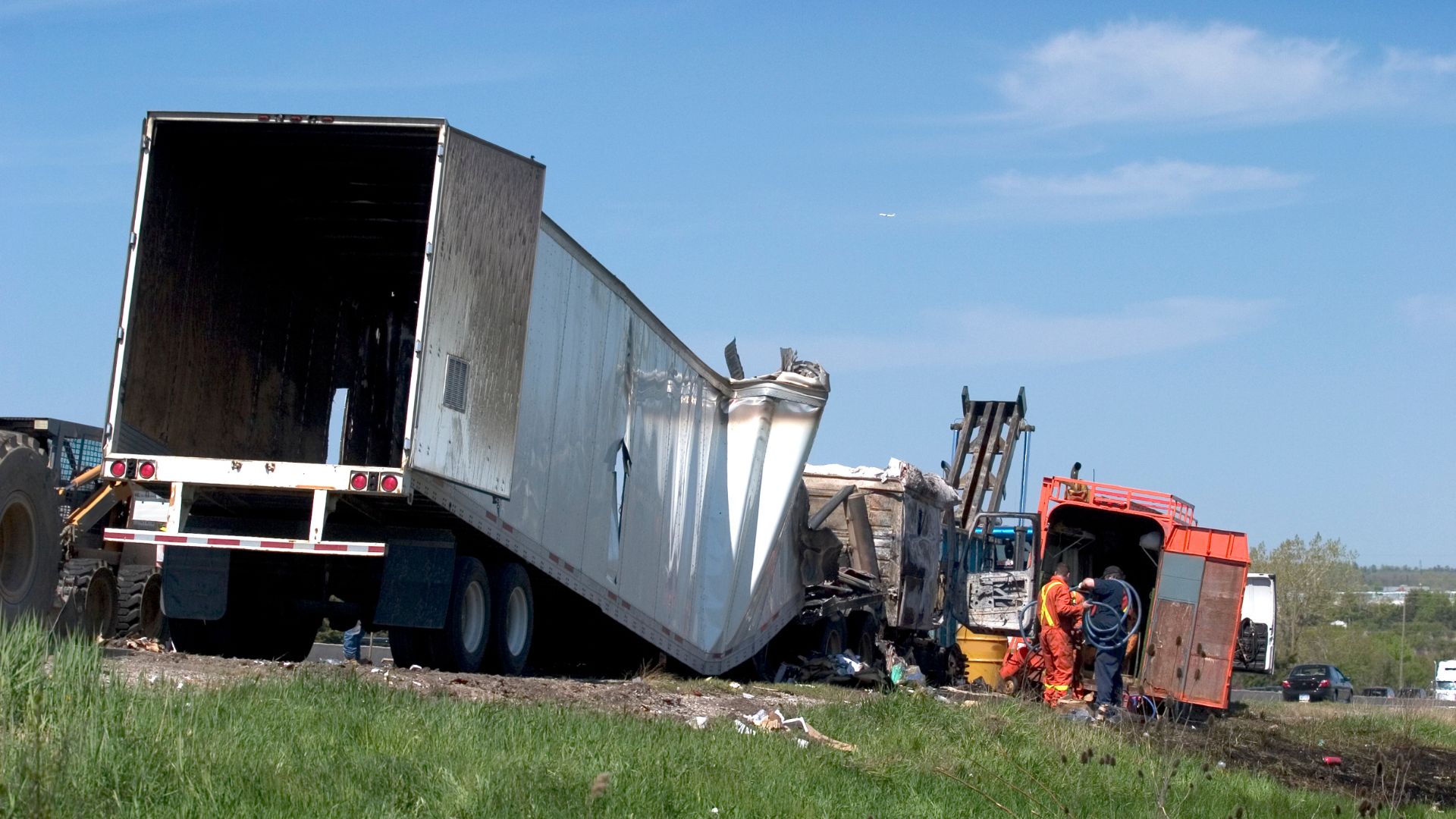
A serious truck collision may begin with a tired driver, a neglected inspection, a rushed delivery schedule, an overloaded trailer, or a decision to drive too fast for the road ahead. Idaho truck accident attorneys investigate these causes because the explanation behind the crash can determine which company records matter and which parties may be responsible. A truck driver’s mistake may be only one part of a larger safety failure involving dispatch, maintenance, training, or cargo handling. Cause analysis gives the claim a more accurate foundation.
Heavy commercial vehicles create different risks than passenger cars because their size, stopping distance, and cargo weight can turn ordinary driving errors into severe crashes. A loaded tractor-trailer may react poorly to sudden braking, sharp turns, downhill grades, winter weather, or uneven cargo balance. When a trucking company overlooks safety problems, the injured person may face consequences that could have been prevented. Lawyers can review the decisions that happened before the impact, not just the driver’s actions at the scene. Truck crash investigations should look beyond the obvious explanation.
Driver Fatigue and Long Hours Behind the Wheel
Fatigue can make a truck driver slower to react, less aware of traffic changes, and more likely to drift, brake late, or misjudge distance. Long routes through Idaho can create pressure when delivery timing, weather, road conditions, and traffic delays combine during a shift. Idaho truck accident attorneys may review driver logs, dispatch records, fuel receipts, GPS data, and rest periods when fatigue is suspected. These records can show whether the driver had enough time to sleep before operating a heavy commercial vehicle. Tired driving can turn a preventable delay into a devastating crash.
Delivery Schedules Can Encourage Unsafe Driving
Delivery schedules may encourage unsafe choices when drivers feel pressured to make up lost time. A company that rewards speed or ignores realistic rest needs can increase crash risk before the truck ever reaches the road. Schedule records can reveal whether business pressure contributed to unsafe driving.
Log Records May Reveal Rest Violations
Log records can show driving hours, rest breaks, route timing, and gaps that need further review. Inconsistent entries may suggest a driver stayed behind the wheel too long. These records can help connect fatigue concerns to the crash.
Poor Truck Maintenance and Equipment Failures
A truck’s condition can affect whether the driver can slow, steer, stop, or maintain control when traffic changes suddenly. Poor maintenance may involve worn brakes, bald tires, broken lights, steering problems, trailer defects, or ignored warning signs before a route begins. Idaho truck accident lawyers can examine inspection reports, repair histories, maintenance schedules, and post-crash vehicle findings to determine whether equipment failure contributed. These records may show that a mechanical issue existed before the crash and should have been corrected sooner. Unsafe trucks should not be treated like unavoidable accidents.
Brake and Tire Problems Can Cause Severe Crashes
Brake and tire failures can create a sudden loss of control, especially when a truck carries heavy cargo or travels at highway speed. Worn tires can reduce traction, while poor brakes can increase stopping distance at the worst possible moment. Maintenance records can show whether the vehicle received proper attention before the collision.
Inspection Records May Show Missed Repairs
Inspection records may reveal repeated defects, skipped service, or repair recommendations that were never completed. Those details can show that the crash followed a pattern of neglected safety concerns. Missed repairs can turn maintenance paperwork into powerful liability proof.
Unsafe Cargo Loading and Overloaded Trucks
Cargo problems can change how a truck handles long before the driver reaches a dangerous situation. Overloaded trailers, uneven weight distribution, loose materials, or poorly secured freight can affect braking, turning, rollover risk, and lane stability. Idaho truck accident attorneys may review bills of lading, weigh station records, loading instructions, cargo photographs, and shipping documents when cargo handling appears connected to the crash. A driver may struggle to control a truck that was loaded improperly before departure. Cargo evidence can reveal responsibility outside the cab.
Weight Distribution Can Affect Vehicle Control
Uneven weight distribution can make a trailer sway, pull, or respond unpredictably during braking and turns. A load that shifts during travel may increase rollover risk or force the driver into another lane. The loading records can help determine whether the truck was unsafe before it entered traffic.
Loading Records Can Reveal Preventable Mistakes
Loading records may identify who packed the trailer, how cargo was secured, and whether weight limits were followed. These documents can connect a shipping or loading decision to the collision. Preventable cargo mistakes can expand the claim beyond driver conduct.
Speeding and Distracted Truck Driving
Speeding and distraction become especially dangerous when the vehicle involved is large enough to cause catastrophic damage. A truck driver who checks a phone, follows too closely, drives too fast downhill, or fails to notice slowing traffic may have too little room to correct the mistake. Idaho truck accident lawyers can examine phone records, dash data, witness accounts, skid marks, vehicle damage, and roadway conditions to understand whether attention or speed caused the crash. These cases require proof because commercial drivers and insurers may deny unsafe behavior. Objective evidence can make reckless driving harder to dismiss.
Heavy Trucks Need More Time To Stop
A heavy truck needs more distance to stop than a passenger vehicle, especially when road conditions reduce traction. Speeding shortens the time available to react and increases the force of impact. Evidence about speed and stopping distance can help explain why the crash became so severe.
Phone Records and Dash Data May Support Liability
Phone records and dash data can show distraction, speed changes, braking activity, and movement before impact. These sources may confirm what witnesses saw or challenge the driver’s version of events. Digital evidence can strengthen liability when attention is disputed.

Types of Accident Claims That Idaho Truck Accident Attorneys Handle
Truck accident claims can involve many different commercial vehicles, and each type of truck creates its own evidence issues. A crash involving an 18-wheeler may require a different investigation than a delivery truck collision involving a company route, app-based schedule, or local stop. Idaho truck accident attorneys can review the vehicle type, business relationship, insurance coverage, and records connected to the truck before the claim moves into settlement talks. Goldberg & Loren handles truck accident claims with attention to the details that make commercial vehicle cases different from ordinary crashes. The type of truck involved can change the entire claim strategy.
Commercial vehicle cases can also involve different injuries, different insurance policies, and different responsible parties. A semi truck crash may involve interstate transportation records, while a fatal truck accident may require careful review of both liability and family losses. Idaho attorneys can help determine what evidence must be preserved and what companies may need to answer for the harm caused. That work matters because commercial defendants may point fingers at each other when more than one company had control over the truck, cargo, driver, or route. Truck accident claims need focused review from the beginning.
18 Wheeler Accidents
18-wheeler accidents can cause devastating harm because these vehicles carry enormous weight across long distances and often travel at highway speeds. A collision may involve driver fatigue, unsafe lane changes, brake problems, speeding, poor visibility, or delivery pressure that developed before impact. Idaho truck accident attorneys can review driver logs, vehicle data, inspection reports, and company records to understand why the crash happened. These cases may also involve layered insurance coverage that requires careful review before negotiations begin. An 18-wheeler claim should account for every business decision connected to the crash.
Tractor-Trailer Records Can Reveal Safety Violations
Tractor-trailer records may show inspection problems, route pressure, rest period issues, or mechanical warnings ignored before the crash. These documents can help determine whether the company placed an unsafe truck or an unsafe driver on the road. A strong record review can expose problems that a basic police report may never address.
Highway Impact Evidence Can Support Serious Injury Claims
Highway impact evidence can include debris fields, vehicle crush patterns, skid marks, and electronic braking data. These details can explain why injuries were severe and why the truck driver’s account may be incomplete. Physical proof can give the claim stronger support when insurers dispute damages.
Semi Truck Accidents
Semi truck accidents often involve complex questions about driver conduct, company supervision, vehicle maintenance, and cargo control. These crashes may occur on interstates, state highways, rural routes, loading areas, or city roads where a large truck has limited room to maneuver. Idaho truck accident lawyers can investigate whether the driver followed safety rules, whether the company maintained the truck, and whether the load created handling problems. The claim may also require review of contracts between carriers, brokers, shippers, and maintenance providers. Semi truck cases need investigation beyond the driver’s first explanation.
Carrier Practices Can Affect Liability
Carrier practices may include hiring decisions, driver training, route planning, maintenance scheduling, and safety enforcement. A company that ignores repeated safety concerns can contribute to a crash before the driver reaches the roadway. Reviewing those practices can show whether the collision resulted from more than one unsafe decision.
Company Policies May Explain Preventable Risk
Company policies can reveal how drivers are instructed to handle schedules, inspections, phone use, cargo checks, and weather delays. Written procedures may also show whether the company followed its own safety expectations. Policy evidence can help connect business choices to the crash.
Big Rig Accidents
Big rig accidents can involve high-impact collisions that leave victims with severe injuries, totaled vehicles, and long recovery periods. These trucks can be difficult to stop or steer safely when a driver travels too fast, follows too closely, or approaches congestion without enough space. Idaho truck accident attorneys can examine roadway conditions, driver decisions, dash data, repair records, and witness accounts to determine how the crash developed. Big rig cases may also involve commercial insurance teams that begin defending the claim quickly. Early legal action can prevent important details from being lost.
Stopping Distance Can Explain Collision Severity
Stopping distance can become a central issue when a big rig strikes traffic ahead or cannot slow safely before impact. Speed, cargo weight, weather, brakes, and road grade can all affect how far the truck needs to stop. Those facts can help show why the driver or company failed to prevent the crash.
Dash Data Can Challenge Driver Statements
Dash data can show speed changes, braking activity, steering movement, and impact timing. This information may conflict with a driver’s version of events when the story changes after the crash. Preserved digital evidence can make fault arguments harder to avoid.
Delivery Truck Accidents
Delivery truck accidents can happen when drivers work under route pressure, tight deadlines, unfamiliar neighborhoods, or frequent stop-and-go demands. These crashes may involve Amazon trucks, FedEx trucks, commercial vans, box trucks, or other vehicles used for package delivery and business transport. Idaho truck accident attorneys can review delivery schedules, app records, company policies, route data, driver training, and insurance coverage to identify who may be responsible. A delivery driver may be working for a contractor, franchise, third-party service, or larger company with additional records to examine. Delivery truck cases often require a close review of the business structure.
Route Pressure Can Encourage Unsafe Maneuvers
Route pressure can lead to rushed turns, sudden stops, distracted navigation, illegal parking, or unsafe backing near homes and businesses. These choices may create serious risks for drivers, pedestrians, cyclists, and nearby vehicles. Delivery records can show whether timing demands influenced the driver’s behavior.
Contractor Relationships Can Affect Available Insurance
Contractor relationships can determine which company, policy, or business entity may be involved in the claim. A driver may appear connected to a major brand while technically working for another company. An insurance review can help identify every recovery source available after the crash.
Fatal Truck Accidents
Fatal truck accidents leave families facing grief, financial uncertainty, and legal questions that require immediate attention. These claims may involve loss of income, funeral costs, loss of companionship, medical expenses before death, and the need to determine who had responsibility for the crash. Lawyers can investigate the collision while families focus on the emotional and practical consequences of a sudden death. A fatal crash case may require evidence preservation, witness interviews, company record review, and insurance analysis before critical proof disappears. Families deserve answers backed by a complete investigation.
Wrongful Death Claims Need Detailed Liability Proof
Wrongful death claims require clear proof of how the truck crash happened and who should be held responsible. Evidence may include truck data, driver records, maintenance documents, police findings, and witness statements. Detailed liability proof helps protect families from blame-shifting by trucking companies or insurers.
Family Losses Require Careful Documentation
Family losses may include financial support, household contributions, guidance, companionship, and the emotional impact of the death. These damages require documentation that explains how the loss changed the family’s future. Careful presentation can help the claim reflect the full harm caused by the fatal crash.

How Idaho Truck Accident Attorneys Prove Liability
Proving liability after a truck accident requires more than showing that a collision happened. Commercial truck cases can involve driver conduct, company safety practices, vehicle condition, cargo handling, route pressure, and insurance issues that may not appear in the first crash report. Idaho truck accident attorneys can investigate each layer to determine whether the driver, trucking company, maintenance provider, cargo loader, broker, or another party contributed to the crash. This matters because a serious truck accident may involve more than one source of responsibility. Liability proof should follow the evidence, not the easiest explanation.
Truck crash investigations also require quick attention because many records remain in the hands of the companies involved. Driver logs, inspection reports, dispatch records, black box data, maintenance files, and cargo documents may reveal what happened before impact. Idaho truck accident lawyers can use those records to build a claim that connects unsafe decisions to the injuries and losses suffered. A strong liability case explains how the crash developed and why the responsible parties should answer for the harm. Commercial claims demand evidence that can withstand defense pressure.
Driver Negligence in Idaho Truck Accident Cases
Truck driver negligence may involve speeding, distraction, fatigue, unsafe lane changes, following too closely, impaired driving, or failing to adjust for road conditions. A commercial driver has to manage a much larger vehicle with a greater stopping distance and reduced maneuverability. Idaho truck accident attorneys can review witness accounts, crash reports, dash data, phone records, and vehicle damage to determine how driver conduct contributed to the collision. These details can show whether the driver made choices that placed others at risk. Driver negligence becomes stronger when physical evidence supports the claim.
Phone Records Can Reveal Distracted Driving
Phone records may show calls, texts, app activity, or data use near the time of impact. This information can be important when a driver denies distraction or gives an incomplete account. Digital evidence can connect unsafe attention lapses to the crash.
Braking Data Can Show Delayed Reaction
Braking data can reveal whether the driver reacted too late to traffic ahead. Speed changes, throttle use, and impact timing may contradict the driver’s explanation. Delayed reaction evidence can support a stronger liability argument.
Trucking Company Negligence and Safety Failures
A trucking company may be liable when poor business practices contribute to a crash. Unsafe hiring, weak training, ignored driver complaints, unrealistic delivery expectations, and poor supervision can all create preventable danger before the truck reaches the road. Idaho truck accident attorneys can examine company policies, safety records, hiring files, dispatch instructions, and prior incident history when company fault appears possible. This review can show that the crash resulted from more than one driver’s mistake. Company negligence often begins before the collision.
Hiring Records Can Expose Unsafe Driver Selection
Hiring records may show whether the company checked driving history, prior crashes, license status, and safety qualifications. A company that puts an unsafe driver behind the wheel can create a serious risk for everyone nearby. Employment documents can help connect careless hiring to the crash.
Dispatch Pressure Can Encourage Risky Driving
Dispatch pressure can push drivers to ignore fatigue, weather, traffic delays, or inspection concerns. Route instructions and delivery deadlines may reveal whether speed mattered more than safety. Business pressure can become powerful evidence when it contributed to the crash.
Maintenance Providers and Defective Truck Equipment
Truck equipment failures can create devastating crashes when brakes, tires, lights, steering systems, coupling devices, or underride guards are not properly maintained. Maintenance providers, trucking companies, and vehicle owners may all have responsibilities connected to inspection and repair. Idaho lawyers can review service records, defect reports, repair invoices, inspection logs, and post-crash vehicle findings to determine whether mechanical problems played a role. A truck that should have been repaired before the route can change the liability analysis. Equipment evidence can expand the claim beyond driver conduct.
Brake and Tire Records Can Identify Neglected Repairs
Brake and tire records may show repeated wear, missed service intervals, or warnings that were ignored. These problems can affect stopping distance, steering control, and crash severity. Repair history can reveal whether the truck was unsafe before the impact.
Post-Crash Inspections Can Confirm Mechanical Problems
Post-crash inspections can document damaged systems, worn components, and equipment defects. These findings may support or contradict maintenance records created before the collision. Mechanical inspection evidence can help prove preventable failure.
Cargo Loaders and Shipping Companies
Cargo loading can affect how a truck brakes, turns, and stays balanced during travel. Overloaded freight, unsecured materials, uneven weight distribution, and shifting cargo can make a truck harder to control. Idaho truck accident attorneys can review shipping paperwork, bills of lading, weight records, loading diagrams, and cargo photographs when load problems may have contributed to the crash. These records can identify whether a shipper, loader, warehouse, or carrier made unsafe decisions before the truck left. Cargo evidence can reveal responsibility outside the driver’s seat.
Weight Records Can Show Overloaded Trailers
Weight records may show whether the truck exceeded safe or legal loading limits. Excess weight can increase stopping distance and reduce control during emergency maneuvers. Overload evidence can connect cargo decisions to crash severity.
Securement Failures Can Cause Loss of Control
Poor securement can allow freight to shift during braking, turning, or downhill travel. A shifting load can increase rollover risk or force a trailer out of its lane. Securement failure evidence can show how loading mistakes caused the crash.

The Approach Goldberg & Loren Uses To Build Strong Truck Claims
Truck accident claims require a different level of preparation because trucking companies and commercial insurers usually have more records, more procedures, and more defense resources than a standard driver. Goldberg & Loren looks at the crash as a commercial safety event, not just a traffic collision between two vehicles. Idaho truck accident attorneys can evaluate how the truck was operated, loaded, maintained, dispatched, insured, and supervised before deciding what the claim needs. That approach helps identify evidence that may be hidden behind company systems instead of sitting plainly in the police report. Strong truck claims are built by following the business decisions behind the crash.
The firm’s approach also focuses on the seriousness of the harm caused by large commercial vehicles. A truck crash can change a person’s medical future, work capacity, household stability, and independence in ways that take time to document fully. Idaho truck accident lawyers can help connect those consequences to the crash through medical records, financial proof, and evidence of daily limitations. Commercial insurers may try to reduce the claim to narrow categories, but a stronger case explains the full human and financial cost. Truck accident representation should match the scale of the damage.
Investigation Focused on Company-Held Trucking Evidence
Goldberg & Loren investigates truck claims by looking for evidence that may remain inside the trucking company’s control. That can include dispatch messages, driver qualification files, inspection reports, repair histories, route records, safety policies, and electronic vehicle data. Idaho truck accident attorneys can use those materials to determine whether the company placed unsafe pressure on the driver, ignored known equipment problems, or failed to enforce safety procedures. This investigation matters because trucking companies may have information that explains the crash more accurately than the first scene report. Company-held records can reveal how the danger developed.
Internal Records Can Show Safety Decisions Before Impact
Internal records may show how the truck was assigned, inspected, repaired, loaded, and routed before the collision occurred. These details can identify whether the crash resulted from isolated driver error or a wider breakdown in company practices. The strongest investigation looks at decisions made before the truck entered traffic.
Preservation Requests Can Protect Commercial Evidence
Commercial records may be overwritten, deleted, or lost through ordinary business practices if no one acts quickly. Preservation requests can demand that relevant trucking documents and electronic data remain available for review. Early legal action helps prevent critical evidence from disappearing.
Damage Review Built Around Severe Crash Consequences
Goldberg & Loren reviews truck accident damages by focusing on the severity and duration of the injury, not only the first bills that arrive. A commercial truck collision can cause surgeries, spinal injuries, fractures, brain injuries, nerve damage, extended therapy, and lasting work restrictions. Idaho truck accident attorneys can examine medical progress, future treatment needs, wage disruption, household limitations, and the emotional strain that follows a severe crash. This damage review helps show why a truck accident claim may require more than a quick settlement calculation. Serious injuries need a complete recovery picture.
Medical Specialists Can Clarify Long-Term Effects
Medical specialists may explain whether injuries require surgery, pain management, rehabilitation, neurological care, or permanent restrictions. Their findings can help connect the truck crash to long-term physical and financial consequences. Specialist documentation can make severe injury claims harder to undervalue.
Work Capacity Evidence Can Shape Recovery Demands
Work capacity evidence can include job duties, medical restrictions, lost advancement opportunities, and reduced ability to perform physical tasks. These details matter when a truck crash changes how someone earns income. A strong claim should show how the injury affects future stability.
Claim Pressure Directed at Commercial Insurers
Goldberg & Loren prepares truck accident claims with the expectation that commercial insurers will question fault, limit damages, or delay meaningful settlement discussions. A strong response requires organized evidence, documented injuries, coverage review, and a clear explanation of why the trucking company or related business should be held responsible. Idaho truck accident lawyers can push back when insurers rely on incomplete reports, selective statements, or narrow damage summaries. This pressure works best when the claim is organized before negotiations begin. Commercial insurers respond differently when the evidence is ready.
Settlement Demands Should Address Commercial Risk
A truck accident settlement demand should explain liability, damages, insurance exposure, and the evidence supporting each part of the claim. Commercial insurers need to see why the claim creates real risk if ignored or undervalued. A detailed demand can move negotiations away from low initial offers.
Litigation Readiness Can Change Negotiation Behavior
Commercial insurers may take a claim more seriously when they understand that the case is prepared for court. Litigation readiness means the evidence, damages, witnesses, and liability theory can withstand a formal dispute. Prepared claims create pressure that unsupported demands cannot match.
Choose Goldberg & Loren for Your Idaho Truck Accident Claim
A truck crash can leave you facing medical treatment, missed work, damaged property, and pressure from companies that are already protecting their own interests. Goldberg & Loren can review the collision, identify the commercial records that may matter, and explain how the claim should be handled before evidence becomes harder to secure. Idaho truck accident attorneys can help you understand what steps matter most when trucking companies, insurers, and other businesses may be involved. Early legal direction can make the claim easier to protect.
You deserve answers before making decisions that may affect your recovery, finances, and future care. Our team can examine liability, truck records, available coverage, injury documentation, and settlement timing with the attention a serious crash requires. Call Goldberg & Loren at (208) 886-1120 today or visit our contact page to get a free consultation with our Idaho truck accident attorneys.
Practice Areas
Trust Us With Your Personal Injury Claim
If you or a loved one have been injured, Goldberg & Loren will fight for you every step of the way. We will give our all to secure the compensation you rightfully deserve.





Contact usfor a free consultation.
Phone: (208) 886-1120