
Idaho Rideshare Accident Attorneys
A rideshare accident can become confusing before you even know which insurance policy applies. You may have been a passenger in an Uber or Lyft, a driver hit by a rideshare vehicle, a pedestrian hit during a pickup, or a cyclist injured near a drop-off area. Idaho rideshare accident attorneys can help identify the driver’s app status, available coverage, crash evidence, and medical documentation so the claim starts with facts instead of insurance confusion.
Uber and Lyft claims are different because responsibility may shift depending on whether the driver was offline, waiting for a ride request, driving to a passenger, or transporting someone when the crash happened. For each of these cases, the liability and insurance coverage vary, so it is important to speak with a lawyer as soon as possible. Goldberg & Loren helps injured people push through those coverage questions while protecting the larger injury claim from blame-shifting and rushed settlement pressure. Call Goldberg & Loren at (208) 886-1120 to speak with our Idaho rideshare accident lawyers today and learn how we can get you the compensation that you deserve.

Why Insurance Coverage Gets Complicated After a Rideshare Crash
A rideshare crash does not always point to one obvious insurance company. The claim may involve the driver’s personal policy, Uber or Lyft coverage, another driver’s insurer, or several policies at the same time. Goldberg & Loren looks at the ride activity first because coverage can change based on whether the driver had the app off, had the app on, accepted a trip, or had a passenger in the vehicle. Those details can decide where the claim begins and which insurer must respond. Without that review, an injured person may get passed between companies that each deny responsibility.
Insurance confusion can also slow down the parts of the claim that injured people need to be handled quickly. Medical bills, vehicle damage, missed work, and follow-up treatment can continue while insurers argue about policy language and app timing. Idaho rideshare accident attorneys can review trip records, policy details, crash evidence, and driver activity so the coverage picture becomes clearer before settlement discussions begin. Goldberg & Loren helps injured rideshare passengers and others harmed in rideshare crashes avoid being stuck between competing insurers. The right coverage analysis can keep the claim moving when insurers try to delay accountability.
The Driver’s App Activity Can Decide Coverage
Rideshare insurance depends heavily on what the driver was doing at the moment of impact. A driver waiting for a ride request may trigger a different coverage layer than a driver already transporting a passenger. Idaho rideshare accident attorneys can review app records, trip history, crash timing, and driver statements to identify which insurance policy should apply. This step matters because coverage disputes often begin when the driver’s activity is unclear. App status can turn a simple crash report into a contested insurance issue.
Logged Out Drivers May Fall Under Personal Coverage
A rideshare driver who is logged out of the app may be treated like any other private driver. That can place the claim under the driver’s personal auto policy. Problems may arise when the insurer questions whether rideshare activity was involved.
App Records Can Resolve Timing Questions
App records can show whether a trip was active, pending, accepted, or unavailable at the time of the collision. These records can answer questions that drivers or insurers may leave unclear. Verified timing can prevent coverage arguments from stalling the claim.
Passenger Claims Can Involve Different Insurance Layers
A rideshare passenger may have a different claim path than another driver or pedestrian injured in the same crash. Passenger claims often depend on the rideshare company’s policy, the rideshare driver’s conduct, and any other driver who contributed to the collision. Idaho rideshare accident attorneys can compare each coverage source so the passenger’s claim does not rely on one insurer’s limited explanation. This is especially important when both drivers blame each other or when multiple carriers delay payment. Passenger injury claims need coverage review before value can be judged fairly.
Pickup and Drop Off Details May Matter
Pickup and drop-off details can affect how the rideshare trip is classified. A crash during an accepted ride may involve different coverage than a crash before the driver accepts a request. Trip stage evidence can identify which policy should be pursued.
Passenger Records Can Support the Claim
Passenger records may include trip receipts, route details, pickup times, and app confirmations. Those records can help establish that the ride was active when the crash happened. Documentation from the rider’s phone can support the insurance review.
Other Road Users May Face Coverage Disputes
A rideshare crash may injure someone outside the Uber or Lyft vehicle, including another driver, cyclist, motorcyclist, or pedestrian. Those claims can become difficult when insurers dispute whether the rideshare driver was working at the time. Idaho rideshare accident attorneys can examine the rideshare driver’s activity, vehicle movement, trip status, and available policies to determine where the claim belongs. Coverage disputes should not leave injured road users without answers. The claim needs proof that connects the driver’s rideshare activity to the crash.
Third-Party Claims Need Policy Comparison
A third-party claim may involve the rideshare policy, the driver’s personal policy, and another vehicle’s insurance. Each policy may have different limits, exclusions, and coverage conditions. Comparing those policies can reveal the best recovery path.
Multiple Carriers Can Delay Payment
Multiple carriers may each argue that another insurer should pay first. These delays can create pressure while medical bills and lost income continue. Legal review can keep the coverage dispute from controlling the injured person’s recovery.
Insurance Denials Should Be Challenged With Evidence
An insurance denial does not always mean the claim is over. A carrier may deny coverage based on incomplete information, unclear app data, or policy exclusions that do not match the facts. Idaho rideshare accident attorneys can review denial letters, driver activity, crash records, and policy language to determine whether the denial should be challenged. This work can make a major difference when an insurer tries to avoid payment too early. Evidence can turn a denied claim into a disputed claim that deserves another review.
Policy Exclusions Need Fact-Based Review
Policy exclusions may apply only under specific conditions. An insurer may rely on broad language without fully considering app status, trip timing, or driver activity. A fact-based review can expose weak denial reasoning.
Denial Letters Can Reveal Weak Arguments
Denial letters can show exactly why an insurer refuses coverage. Those explanations should be tested against the ride records and crash facts. Weak denial arguments can become leverage during the claim process.

How Uber and Lyft Accident Claims Work in Idaho
Uber and Lyft accident claims work differently from standard crash claims because the driver’s app activity can change the insurance path. A crash involving a rideshare vehicle may require proof of trip status, passenger status, driver activity, crash fault, and injury damages before the correct policy becomes clear. Idaho rideshare accident attorneys can review digital records, ride receipts, app screenshots, crash reports, and insurance documents to determine how the claim should move forward. This process matters when several insurers point to each other instead of accepting responsibility. Rideshare claims need proof that connects the crash to the correct coverage source.
The claim process can also change depending on who was injured. A passenger inside the Uber or Lyft vehicle may have a different path than another driver, cyclist, pedestrian, or motorcyclist struck by the rideshare driver. Idaho rideshare accident attorneys can help identify each party’s role, compare available policies, and prevent the claim from stalling over coverage confusion. A rideshare case should be built around trip data, injury proof, and fault evidence from the beginning. Digital records can become the starting point for the entire claim.
Trip Status Determines the Starting Claim Path
Trip status is one of the first issues that must be reviewed after an Uber or Lyft crash. A driver who has accepted a ride may trigger different coverage than a driver who is only logged into the app or not using it at all. Idaho rideshare accident attorneys can review app data, ride history, pickup timing, and route information to understand which coverage may apply. These details can reduce confusion when personal auto insurers and rideshare insurers disagree about responsibility. The claim path becomes clearer when the trip status is verified.
Accepted Ride Records Can Confirm Active Coverage
Accepted ride records can show whether the driver was actively matched with a passenger before the crash. Those records may include pickup details, route information, driver activity, and trip timing. Confirmed ride activity can help identify the insurance layer that should respond.
Screenshots and Receipts Can Support Timing
Screenshots and receipts can help show when the ride was requested, accepted, started, or completed. These details may become important when insurers dispute whether rideshare coverage applied. Rider documentation can support the timeline when app data is requested.
Passenger Claims Focus on Coverage and Injury Proof
Passenger claims often begin with showing that the injured person was inside the Uber or Lyft vehicle during an active ride. That status can affect which policy applies and how the claim should be presented. Idaho rideshare accident attorneys can review ride receipts, driver information, crash reports, medical records, and insurance communications to build the claim. Passenger claims still require proof that injuries came from the crash and caused specific losses. Coverage does not replace the need for strong injury documentation.
Ride Details Can Establish Passenger Status
Ride details can confirm the passenger’s connection to the rideshare trip. App receipts, pickup locations, drop-off information, and driver identification can help prove the ride was active. These records help prevent insurers from questioning the passenger’s role.
Medical Records Still Control Damage Value
Medical records remain central even when rideshare coverage appears available. Treatment notes, diagnostic findings, follow-up care, and work restrictions help show the value of the claim. Injury proof determines how damages should be evaluated.
Claims Against Rideshare Drivers Need Driver Activity Review
Claims against rideshare drivers require careful review of what the driver was doing before the impact. The driver may have been waiting for a request, following GPS directions, looking for a passenger, stopping near a pickup point, or completing an active trip. Idaho rideshare accident attorneys can compare app activity with crash evidence to determine whether the driver’s work for Uber or Lyft contributed to the collision. Driver activity can affect both liability and insurance coverage. A rideshare driver’s status should be proven with records, not assumptions.
App Use Can Separate Personal and Rideshare Coverage
App use can determine whether the claim belongs under a personal auto policy or a rideshare policy. A driver logged out of the app may create a very different coverage question than a driver completing a trip. Verifying app use can prevent insurers from shifting responsibility without support.
Driver Statements Should Match Digital Records
Driver statements should be compared against trip data, GPS activity, ride records, and crash timing. A statement that conflicts with digital records may reveal coverage or liability problems. Digital proof can make the claim harder to dismiss.
Claims Involving Other Drivers May Need Multiple Policies
Some Uber and Lyft crashes involve another driver who shares fault or caused the collision. These cases may require review of the rideshare driver’s policy, the other driver’s policy, the rideshare company’s coverage, and any applicable uninsured or underinsured motorist coverage. Idaho rideshare accident attorneys can examine all available policies before settlement discussions begin. This is important when injuries are serious or when one policy does not fully cover the losses. Multiple-policy review can protect recovery options.
Fault Can Involve More Than One Vehicle
Fault may involve the rideshare driver, another motorist, or both drivers, depending on how the crash happened. Police reports, witness statements, vehicle damage, and app records can help determine each driver’s role. Shared fault issues should be reviewed before accepting an insurer’s explanation.
Coverage Review Can Prevent Missed Recovery Sources
Coverage review can identify policies that may otherwise be overlooked. Available recovery may depend on rideshare coverage, personal auto coverage, another driver’s insurance, or the injured person’s own policy. Careful review helps protect every possible claim path.
What To Do After a Rideshare Accident in Idaho
The steps after a rideshare crash can affect both the injury claim and the insurance coverage review. Uber and Lyft accidents involve details that do not exist in ordinary collisions, including app status, trip receipts, pickup timing, driver identity, and rideshare insurance layers. Idaho rideshare accident attorneys can help protect those details before the claim turns into a dispute between multiple insurers. A passenger, driver, pedestrian, cyclist, or another motorist may each need different documentation depending on how the crash happened. The most important step is preserving proof before app records, photos, or witness information become harder to recover.
Rideshare accident claims can also become confusing when injured people receive calls from more than one insurance company. One insurer may ask about the driver’s app activity, another may focus on injuries, and another may question who caused the crash. Idaho rideshare accident attorneys can help sort through those requests so early mistakes do not create coverage or fault problems later. The right steps after the crash can help protect medical proof, trip documentation, and the larger claim strategy. Quick organization can make the process easier to manage.
Save Your Uber or Lyft Trip Details Immediately
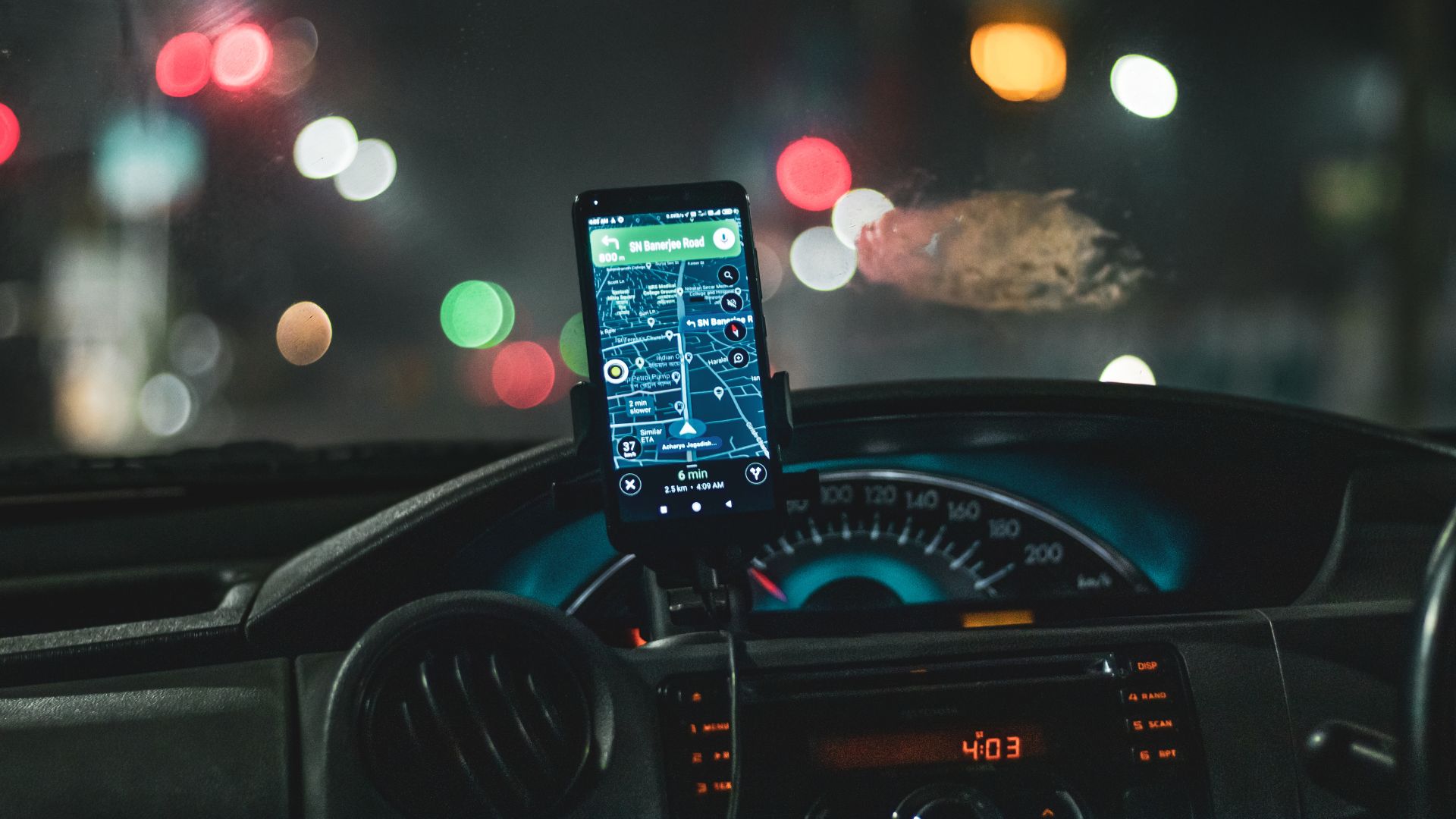
Your Uber or Lyft app may contain important information about the ride, including pickup location, route, driver name, vehicle details, ride time, and trip status. Those details can help show whether the rideshare driver was actively transporting a passenger or connected to a ride request when the crash occurred. Idaho rideshare accident attorneys can use this information to help identify which insurance policy may apply. Screenshots should be saved quickly because the app display can change after the ride ends or after support requests begin. Trip details can become central evidence in a rideshare claim.
App Receipts Can Confirm Ride Status
App receipts may show the date, time, route, driver identity, and passenger connection to the ride. These records can help confirm whether the injured person was part of an active Uber or Lyft trip. That confirmation can help reduce disputes about which coverage applies.
Screenshots Can Preserve Important Timing
Screenshots can capture ride details before they become difficult to find inside the app. Pickup times, route maps, driver information, and support messages may all matter later. Preserved timing details can support the insurance review.
Get Medical Care Before Symptoms Become Disputed
Medical care should come early after a rideshare accident, even when symptoms seem manageable at first. Pain, dizziness, stiffness, headaches, and nerve symptoms may become worse after the shock and adrenaline wear off. Idaho rideshare accident attorneys can help connect treatment records to the crash so insurers cannot easily argue that injuries came from another cause. Medical documentation also helps show how the injury affected work, movement, daily routines, and future care needs. Delayed treatment can give insurers room to question the claim.
Treatment Records Connect Injuries to the Crash
Treatment records can show when symptoms started, what doctors diagnosed, and what care was recommended. These records help connect the rideshare crash to the injury being claimed. Clear medical documentation can make injury disputes harder to sustain.
Delayed Pain Should Still Be Documented
Delayed pain can happen when the body reacts after the crash scene has cleared. Follow-up medical care can document symptoms that were not obvious immediately. Those records can protect the claim when insurers question timing.
Report the Crash Through the Right Channels
A rideshare accident should be reported in ways that create useful records for the claim. Police reports can document vehicle positions, driver information, witness names, citations, and basic crash facts. Uber or Lyft app reports may also create a record showing that the accident happened during or near a rideshare trip. Idaho rideshare accident attorneys can review these reports and compare them against app records and insurance documents. Reporting the crash properly can help prevent confusion later.
Police Reports Can Support the Claim
A police report can provide an official record of the crash location, drivers, vehicles, and reported injuries. The report may also include citations, witness information, or statements from people involved. This record can help anchor the claim when insurers dispute basic facts.
Rideshare App Reports May Also Matter
Uber or Lyft reports can help document the crash inside the rideshare platform. These reports may connect the accident to driver activity, ride status, or support communications. App-based reporting can support the coverage review when insurers disagree.
Avoid Insurance Statements Before Coverage Is Clear
Insurance statements can create problems when several companies are involved and coverage has not been confirmed. A personal auto insurer, rideshare insurer, or another driver’s carrier may ask questions that seem routine but affect fault, injuries, or app status. Idaho rideshare accident attorneys can help determine which insurer should receive information and how communication should be handled. Early statements may be compared against later medical records or app data. Coverage should be understood before detailed insurance conversations begin.
Multiple Insurers May Ask Different Questions
Different insurers may focus on different parts of the claim, including driver activity, passenger status, injury timing, or fault. Conflicting answers can create unnecessary disputes when questions are answered too quickly. Legal review helps keep communication consistent and accurate.
Early Answers Can Create Claim Problems
Early answers may leave out symptoms, trip details, or crash facts that become clearer later. Insurers may use those gaps to challenge the claim or delay payment. Careful communication protects the claim from avoidable mistakes.

How Fault Is Determined After a Rideshare Accident
Fault after a rideshare accident depends on more than who received a citation or which driver apologized at the scene. These claims can involve rideshare driver conduct, another motorist’s actions, app activity, passenger status, pickup location, and the sequence of events before impact. Idaho rideshare accident attorneys can review those details to determine who caused the crash and which insurance policy may apply. A fault review should connect driver behavior to evidence instead of relying on quick assumptions from insurers. The stronger the timeline, the harder it becomes for the wrong party to control the claim.
Rideshare crashes can also involve competing stories from drivers, passengers, witnesses, and insurance representatives. One driver may blame traffic, another may blame a sudden stop, and a rideshare carrier may focus on app status instead of unsafe conduct. Idaho rideshare accident attorneys can compare statements against trip records, vehicle damage, crash reports, photos, medical records, and location details. This matters because fault affects both compensation and the direction of the insurance claim. Clear evidence can turn a confusing crash into a stronger liability argument.
Rideshare Driver Conduct Gets Reviewed First
The rideshare driver’s choices before the crash deserve close review because app-based driving can create distractions and sudden movements. A driver may be looking at navigation, searching for a rider, stopping near a curb, accepting trip updates, or trying to follow pickup instructions in traffic. Idaho rideshare accident attorneys can examine whether the driver failed to yield, followed too closely, changed lanes unsafely, stopped abruptly, or ignored road conditions. These facts can show whether the rideshare driver’s conduct caused or contributed to the crash. Driver behavior should be tested against the evidence.
Unsafe Pickup Decisions Can Affect Liability
Unsafe pickup decisions can happen when a rideshare driver stops suddenly, blocks traffic, double-parks, or pulls across lanes to reach a passenger. These choices can place passengers, pedestrians, cyclists, and other drivers in danger. Pickup behavior can become important when a crash happens near a curb, intersection, driveway, or busy drop-off area.
GPS Distraction Can Support Fault Arguments
GPS distraction can affect reaction time when a driver looks away from traffic to follow directions or confirm a route. App notifications, map changes, and pickup instructions may divide attention at the wrong moment. Digital activity and witness accounts can help show how distraction contributed to the crash.
Other Drivers May Also Share Responsibility
A rideshare crash does not always begin with the Uber or Lyft driver. Another motorist may run a red light, rear-end the rideshare vehicle, make an unsafe turn, or merge into traffic without checking carefully. Idaho rideshare accident attorneys can review the conduct of every driver involved before deciding where responsibility belongs. This review becomes important when multiple insurers try to shift blame between drivers. Fault should follow the sequence of events, not the loudest insurance argument.
Multi-Vehicle Crashes Need Careful Sequence Review
Multi-vehicle crashes require a clear timeline showing which impact happened first and how the remaining collisions followed. Vehicle damage, debris locations, police findings, and witness statements can help explain the order of events. Sequence review can prevent insurers from blaming the wrong driver or minimizing their insured’s role.
Witness Accounts Can Clarify Driver Actions
Witnesses may remember braking, lane changes, signal use, speeding, or distracted behavior before impact. Their observations can help confirm or challenge what drivers reported after the crash. Early witness contact can preserve details before memory fades or contact information becomes harder to locate.
App Records Can Help Confirm Trip Activity
App records can help determine what the rideshare driver was doing when the crash happened. A driver’s activity may show whether they were offline, waiting for a request, heading to pick up a passenger, or completing an active ride. Idaho rideshare accident attorneys can use trip data to connect the crash timeline with the proper insurance review. These records can also support fault arguments when the driver’s attention, route, or pickup behavior becomes disputed. App activity can change both coverage and liability analysis.
Digital Ride Data Can Support Coverage Review
Digital ride data may include trip acceptance time, route information, pickup location, drop-off details, and driver status. These records help show which insurance layer should respond to the claim. Coverage review becomes stronger when app activity matches the crash timeline.
Trip Timing Can Change the Claim Path
Trip timing can determine whether the driver had accepted a ride, was transporting a passenger, or had already ended the trip. Each stage may affect which insurer should handle the claim. Timing proof can prevent coverage disputes from slowing recovery.
Fault Evidence Must Connect Conduct to Injuries
Fault evidence must show how unsafe conduct caused the crash and how the crash caused the injuries being claimed. A driver’s mistake matters most when it connects directly to impact, medical treatment, financial loss, and recovery problems. Idaho rideshare accident attorneys can compare crash reports, photos, app records, medical documentation, and witness statements to create that connection. This approach helps prevent insurers from admitting a minor mistake while disputing the injury consequences. Liability and damages need to work together.
Crash Reports Need Supporting Documentation
Crash reports can provide important details, but they rarely tell the full story by themselves. Photos, vehicle damage, ride records, witness information, and medical records can add context that the report may not include. Supporting documentation helps strengthen the claim when insurers challenge fault.
Medical Records Help Tie Harm to Impact
Medical records can show when symptoms started, what doctors diagnosed, and how treatment progressed after the rideshare crash. These records help connect the collision to the injuries and losses being claimed. Strong medical proof can reduce arguments that the harm came from another cause.

How Goldberg & Loren Pursues Maximum Compensation for Your Rideshare Claim
A rideshare claim can lose value when the insurance review stops at the first available policy or the first version of the crash. Goldberg & Loren looks beyond the basic app record to examine driver activity, trip status, fault evidence, medical treatment, lost income, and every coverage source that may apply. Idaho rideshare accident attorneys can help determine whether the claim should involve Uber coverage, Lyft coverage, a personal auto policy, another driver’s insurer, or more than one source of recovery. A stronger compensation strategy starts by making sure no insurer escapes review too early.
Rideshare crashes can create losses that are easy to undercount when several companies are arguing over responsibility. A passenger may need follow-up treatment, another driver may lose transportation, and a pedestrian or cyclist may face injuries that affect work and daily movement. Goldberg & Loren organizes the claim around the actual harm caused by the crash, not the smallest category an insurer prefers to discuss. Idaho rideshare accident attorneys can help present medical records, trip data, wage proof, app documentation, and settlement demands in a way that supports full recovery.
Compensation Review Starts With Every Available Policy
Rideshare claims may involve several insurance policies, which means compensation depends on identifying every possible source before negotiations begin. Uber or Lyft coverage may apply during certain trip stages, while personal auto insurance or another driver’s policy may also become relevant. Idaho rideshare accident attorneys can compare those policies against the crash facts so the claim does not depend on one incomplete coverage explanation. This review can matter when injuries are serious, and one policy does not cover the full loss. Maximum recovery begins with a complete insurance search.
App Status Can Point to the Right Coverage
App status can show whether the driver was offline, available for rides, heading to a pickup, or transporting a passenger. Each stage may affect which insurance policy becomes responsible for payment. Trip records can help prevent insurers from denying coverage based on uncertainty.
Multiple Policies Can Increase Recovery Options
Multiple policies may apply when another driver shares fault or when rideshare coverage does not fully address the damages. Careful policy review can uncover coverage that might otherwise be missed. Broader recovery options can improve the claim’s financial position.
Damage Proof Must Reflect the Full Injury Picture
A rideshare injury claim should include more than emergency bills or early treatment records. Medical needs may continue through imaging, therapy, specialist care, medication, injections, surgery, or ongoing pain management. Idaho rideshare accident attorneys can help document how the crash affected health, work, mobility, sleep, and daily responsibilities. These details matter when insurers try to separate medical costs from the real-life disruption behind them. Compensation should follow the full injury picture.
Medical Records Should Explain Ongoing Care
Medical records can show diagnosis, symptoms, treatment plans, provider referrals, and recovery restrictions. These records help prove why continued care remains connected to the rideshare crash. Strong treatment documentation can make injury disputes harder for insurers to sustain.
Daily Limitations Can Support Non-Economic Damages
Daily limitations may involve trouble driving, sleeping, working, walking, lifting, or caring for family members. These details help explain harm that bills alone cannot measure. Specific examples can strengthen compensation for pain and personal disruption.
Lost Income and Practical Costs Need Careful Tracking
A rideshare crash can affect finances immediately when injuries interfere with work, transportation, or normal responsibilities. Lost wages, reduced hours, medical travel, rideshare costs, childcare needs, repair expenses, and prescription costs may all belong in the compensation review. Idaho rideshare accident attorneys can help organize proof of these losses before settlement discussions become final. This tracking matters because smaller costs can disappear from the claim when they are not documented. Financial recovery should include the practical strain caused by the crash.
Work Records Can Show Income Disruption
Work records may include pay stubs, schedules, employer letters, tax documents, or proof of missed contracts. These materials help show how the injury affected earnings after the crash. Clear income proof can make wage loss harder to minimize.
Receipts Can Preserve Smaller Expenses
Receipts can prove transportation costs, prescriptions, medical supplies, parking fees, and other accident-related expenses. These costs may seem minor individually, but they can become meaningful during recovery. Organized receipts help protect reimbursement for documented losses.
Settlement Pressure Should Wait for Real Claim Value
Insurers may offer money before the injured person understands the medical outlook, available coverage, or full financial impact. Accepting too early can create problems when new symptoms, future treatment, or work limitations appear later. Idaho rideshare accident attorneys can evaluate whether an offer reflects the true value of the claim before any release is signed. Goldberg & Loren pushes for settlement timing that accounts for evidence, coverage, and recovery needs. A rideshare claim should not close before the damages are understood.
Early Offers May Ignore Future Treatment
Early offers may leave out therapy, specialist visits, surgery, or complications that appear after the first medical appointment. Once a claim resolves, later costs usually cannot be added. Medical clarity should come before final settlement decisions.
Strong Demands Can Push Back on Low Offers
A strong demand explains liability, coverage, injuries, financial losses, and future needs with organized support. This makes it harder for insurers to rely on low numbers or incomplete records. Detailed demands give negotiation more force.
Reach Out to Goldberg & Loren Today for a Free Case Review
Rideshare crashes can leave you dealing with an unusual mix of problems, including disputed coverage, driver status, medical care, and several insurers that may avoid clear answers. Goldberg & Loren can examine the ride timeline, crash facts, policy issues, and injury documentation so your claim does not depend on estimates that are not the full story. A clear legal plan can help you understand where the claim stands before making any major decision.
Insurance delays should not leave you carrying the cost of someone else’s mistake. Our team can preserve trip information, address coverage disputes, evaluate losses, and pursue compensation for the harm caused by the crash. Idaho rideshare accident lawyers can help bring structure to a claim that feels overwhelming. Call Goldberg & Loren at (208) 886-1120 or visit our contact page for a free consultation today and learn how we can help with your claim.
Practice Areas
Trust Us With Your Personal Injury Claim
If you or a loved one have been injured, Goldberg & Loren will fight for you every step of the way. We will give our all to secure the compensation you rightfully deserve.



Contact usfor a free consultation.
Phone: (208) 886-1120