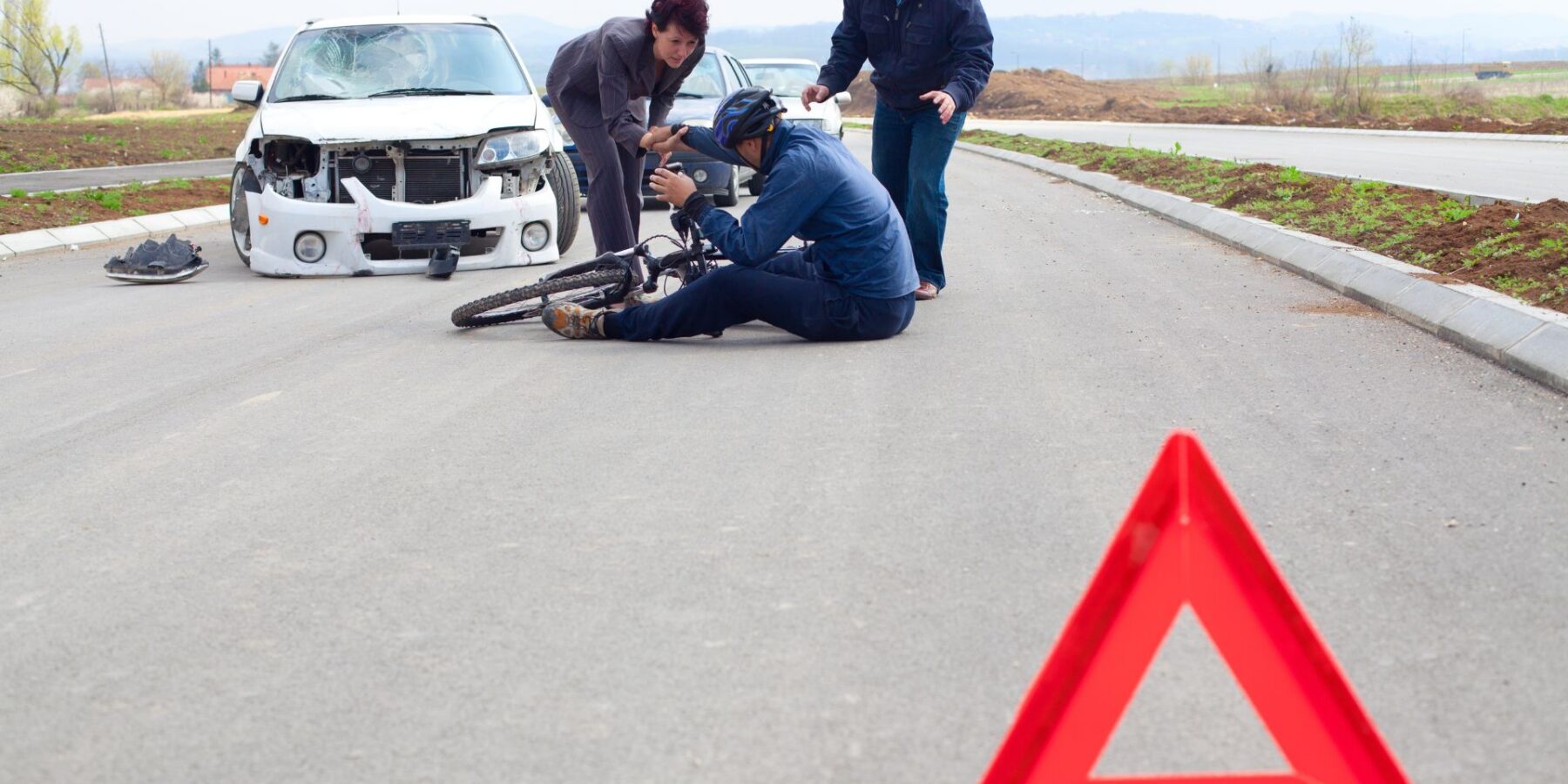
Bicycle Accident Lawyers in Nampa
Getting hit while riding a bike can leave you injured and unsure who will actually take responsibility for the crash. This collision can result in injuries, a damaged bicycle, missed work, and an insurance company that questions where you were riding or what you could have done differently. Bicycle accident lawyers in Nampa can help protect your claim when a driver’s mistake leaves you paying the price.
Goldberg & Loren helps injured cyclists build claims around facts, medical records, witness accounts, crash photos, driver conduct, and the full effect of the collision. Bicycle accident cases deserve careful attention because riders have little protection when a vehicle hits them. Call Goldberg & Loren at (208) 886-1120 for a free consultation with one of our bicycle accident lawyers in Nampa who can review what happened and explain your options.

What Injured Cyclists Should Do After a Nampa Bicycle Accident
The first priority after a bicycle accident is getting medical help, even when the pain feels manageable. Adrenaline can hide injuries, and cyclists often notice worse symptoms after the scene clears. Call emergency services, report visible injuries, and let medical providers document pain, dizziness, road rash, swelling, or movement problems. If you are able, get the driver’s information, take photos, and ask witnesses for their names and phone numbers. Goldberg & Loren uses those early records to protect your side of the claim and get you the compensation you deserve.
Avoid arguing with the driver or guessing about fault while you are still shaken. Short comments at the scene can later become insurance arguments about speed, visibility, or where you were riding. Save damaged clothing, helmet, lights, backpack, phone mount, and bicycle parts because physical evidence may support how hard the impact was. Keep every medical document, repair estimate, police report number, and message from the insurance company. Goldberg & Loren can review those materials before the insurer frames the crash unfairly.
Medical Care Documents Injuries Before Symptoms Change
Medical care gives your claim a starting point that does not rely only on memory. Emergency notes, urgent care records, imaging results, prescriptions, and follow-up instructions show how the crash affected your body. Cyclists can suffer head injuries, fractures, shoulder damage, road rash, and back pain that become clearer after the first few hours. Early treatment also connects the collision to the symptoms reported afterward. That record becomes important when an insurer questions injury timing.
Initial Symptoms Deserve Complete Reporting
Initial symptoms deserve complete reporting because small details can become important later. Pain, dizziness, numbness, swelling, nausea, and confusion should be mentioned during medical care. Those early descriptions help explain why follow-up treatment became necessary.
Follow-Up Visits Strengthen the Injury Timeline
Follow-up visits show how the injury changed after the first evaluation. Therapy referrals, imaging results, medication changes, and specialist visits create a stronger medical timeline. Consistent care makes recovery harder for insurers to dismiss.
Driver Information Protects the Claim From Confusion
Driver information matters because insurance companies need accurate details before a claim can move forward. Get the driver’s name, license information, plate number, insurance details, and contact information when your condition allows. A police report may include these facts, but your own record can prevent delays if something gets missed. Bicycle accident lawyers in Nampa can compare driver information against insurance responses and crash documentation. Accurate details keep the claim from starting with avoidable uncertainty.
Insurance Details Need Early Confirmation
Insurance details need early confirmation before claim disputes begin. A driver may provide incomplete information at the scene or later change the story. Photos of insurance cards and license plates can prevent confusion.
Police Report Numbers Should Be Saved
Police report numbers should be saved with your claim materials. That number helps locate the official crash record when insurance questions arise. Easy access to the report supports faster legal review.
Photos Preserve Evidence That Quickly Disappears
Photos can preserve details that may change within minutes after a bicycle accident. Vehicle positions, bicycle damage, road debris, skid marks, weather conditions, injuries, and damaged gear can all support the claim. These images help show how the crash happened and why the cyclist was injured. Insurers may later rely on incomplete descriptions if visual evidence is missing. Strong photos make the crash harder to mischaracterize.
Bike Damage Can Explain Impact Force
Bike damage can explain how the force moved through the collision. Bent wheels, broken frames, damaged pedals, and crushed components may show serious impact. Repair estimates can support both property and injury claims.
Damaged Gear May Support Injury-Proof
Damaged gear may support the injury-proof after a bicycle crash. Helmets, lights, bags, shoes, and clothing can show impact points. Preserving those items helps connect injuries to the collision.
Insurance Contact Should Be Handled Carefully
Insurance companies may contact injured cyclists before medical treatment is complete. Their questions can sound simple, but answers about speed, lane position, pain, visibility, or fault may later affect the claim. Avoid giving recorded statements or accepting quick offers before understanding your injuries and losses. Bicycle accident lawyers in Nampa can review communications before the insurer shapes the facts against you. Careful communication protects your claim during a vulnerable moment.
Recorded Statements Can Create Claim Problems
Recorded statements can create problems when details remain unclear. Pain, stress, medication, and shock can affect how accurately you describe events. Legal review reduces the risk of harmful wording.
Quick Settlement Offers Need Careful Review
Quick settlement offers can arrive before recovery becomes clear. Early numbers may ignore future treatment, lost income, damaged gear, and lasting pain. Careful review protects you from undervaluing your claim.
How Bicycle Accident Lawyers in Nampa Prove Driver Negligence After a Crash
Driver negligence becomes clearer when the claim focuses on choices made before impact. A driver may have failed to yield, passed too closely, turned across a cyclist, looked away from traffic, or ignored the space a rider needed. Bicycle accident lawyers in Nampa review those actions through photographs, witness statements, police reports, damage patterns, and medical records. That work keeps the claim focused on driver conduct instead of assumptions about cycling. A strong negligence argument gives the injured cyclist a fairer path forward.
Goldberg & Loren studies how the collision developed from the cyclist’s perspective and the driver’s perspective. That comparison matters because insurers sometimes describe bicycle crashes as sudden, confusing, or unavoidable when driver behavior tells a different story. The claim should explain what the driver did wrong, how that mistake caused the crash, and why the injuries match the impact. Clear negligence proof also limits attempts to blame the cyclist for simply being on a bike. Accountability starts with the driver’s decisions before impact.
Failure to Yield to a Cyclist in Traffic
Failure to yield is a common issue when drivers underestimate a cyclist’s speed, position, or right to continue moving through traffic. A driver may turn, merge, exit a driveway, or enter traffic without leaving enough time or space for the cyclist. Goldberg & Loren reviews driver movement, cyclist position, traffic controls, sightlines, and witness accounts to identify whether the driver should have waited. That review matters when an insurer tries to describe the cyclist as hard to see rather than reviewing the driver’s duty to look. Yield evidence keeps responsibility focused on the moment the driver chose to move.
Driver Movement Shows Where Responsibility Began
Driver movement often explains why the cyclist had no safe escape. A sudden turn, rushed merge, or driveway exit may place the rider directly in danger. Those facts strengthen the claim when the driver claims the crash happened unexpectedly.
Traffic Control Details Support Fault Arguments
Traffic control details help explain who had the right to proceed. Signs, signals, lane markings, and crossing rules may show that the driver ignored a clear duty. Those details give the fault argument a stronger grounding.
Unsafe Passing and Driver Distance Errors
Unsafe passing places cyclists at serious risk because even a small misjudgment creates little room for correction. A driver who squeezes past too closely may force the cyclist toward the curb, debris, parked vehicles, or an unstable riding line. Goldberg & Loren reviews impact points, vehicle position, bicycle damage, and witness accounts to understand how much space the driver left. That analysis matters when an insurer argues that the cyclist drifted without asking why the driver was passing so closely. Passing distance can reveal whether the driver created the danger.
Close Passing Changes the Rider’s Options
Close passing leaves a cyclist with almost no reaction time. The rider may have to brake, swerve, or absorb impact without meaningful warning. That lack of space supports the argument that the driver acted carelessly.
Impact Location Helps Reconstruct the Pass
Impact location may show how the vehicle moved beside the bicycle. Side contact, mirror damage, handlebar damage, or scrape marks may reveal passing distance. Those physical details make unsafe passing harder to deny.
Distracted Driving Before the Bicycle Collision
Distracted driving is especially dangerous around cyclists because a rider’s smaller profile requires full attention from nearby drivers. A driver who looks at a phone, adjusts navigation, speaks to passengers, or scans away from traffic may miss a cyclist until impact becomes unavoidable. Goldberg & Loren examines statements, timing, witness observations, vehicle movement, and available records to identify signs of distraction. That review matters when a driver claims the cyclist appeared suddenly despite having time to notice the rider. Distraction evidence can explain why the driver failed to react.
Delayed Reactions Reveal Attention Problems
Delayed reactions may show the driver was not watching carefully. Late braking, no evasive movement, or a sudden correction can suggest missed warning signs. Those details help challenge claims that the cyclist appeared without warning.
Witness Observations Can Identify Distraction
Witness observations may reveal what the driver was doing before impact. A witness might notice phone use, drifting movement, or failure to slow. Outside accounts give stronger support to distraction arguments.
Turning Movements That Cut Off Cyclists
Turning crashes often happen when drivers focus on completing the turn instead of checking for a cyclist traveling nearby. A driver may turn across a bike path, lane edge, shoulder area, or crossing point without giving the cyclist enough time to react. Goldberg & Loren reviews the turn angle, damage location, cyclist direction, driver statements, and scene photographs to understand how the movement caused the crash. This proof matters when insurers argue the cyclist should have avoided a vehicle that suddenly crossed their path. A careless turn can leave a cyclist with nowhere safe to go.
Turn Angles Can Explain the Collision Path
Turn angles show how the driver crossed into the cyclist’s space. The vehicle’s path may reveal whether the driver cut across too sharply or too late. That movement helps explain why the cyclist could not avoid the impact.
Damage Patterns Can Confirm the Turn
Damage patterns may confirm how the turning movement happened. Contact near the side, front corner, or bicycle wheel can support the collision sequence. Physical proof strengthens the account when driver statements conflict.
Insurance Arguments About Cyclist Responsibility
Insurance companies may try to reduce payment by arguing the cyclist was too fast, too far into the lane, not visible enough, or not paying attention. Those arguments need evidence before they affect the value of the claim. Goldberg & Loren reviews the available proof to separate fair questions from unsupported blame. This work matters because cyclist responsibility arguments can distract from the driver’s unsafe decision. A strong response prevents bias from replacing facts.
Rider Position Deserves Accurate Review
Rider position should be reviewed with evidence, not assumptions. Photos, witness accounts, bicycle damage, and road layout may show that the cyclist was riding predictably. Accurate placement limits unfair arguments about where the rider belonged.
Unsupported Blame Needs a Direct Response
Unsupported blame should never control the claim without proof. Insurance arguments about speed, visibility, or rider behavior need to match the evidence. A direct response protects the cyclist from unfair claim reduction.

How Goldberg & Loren Rebuilds the Claim Around the Cyclist’s Experience
Goldberg & Loren rebuilds a bicycle accident claim by looking at what changed after the crash, not just what appears in the first report. A damaged bike may remove transportation, injuries may interrupt work, and pain may make ordinary routines feel unpredictable. Bicycle accident lawyers in Nampa use those everyday losses to show why the crash deserves more than a narrow repair estimate or a quick medical summary. This approach keeps the claim focused on the injured cyclist’s lived experience. The value of the case becomes clearer when the loss feels complete.
A bicycle crash can affect independence in ways that insurance forms rarely capture. Riding to work, moving comfortably, caring for family, exercising, sleeping, and trusting traffic again may all become harder after the impact. Goldberg & Loren reviews those changes with the same attention given to medical bills and crash evidence. That broader review gives the insurer fewer opportunities to treat the claim like a routine vehicle damage dispute. The cyclist’s recovery deserves a claim built around real consequences.
Life After the Crash May Look Completely Different
Daily routines often change quickly when a cyclist leaves the scene injured. Tasks that once felt simple may become frustrating when pain affects balance, strength, sleep, focus, or movement. Goldberg & Loren reviews those changes because they show how the crash affected the cyclist beyond the first medical appointment. The firm also considers how the injury disrupted work, transportation, errands, family responsibilities, and personal independence. A stronger claim shows the real interruption to normal life.
Routine Changes Show the Injury’s Practical Impact
A cyclist’s daily limits often explain the injury better than broad medical labels. Trouble carrying groceries, commuting, exercising, or handling basic chores shows the crash’s reach. These details give the claim more substance during valuation.
Small Frustrations Can Show Ongoing Limitations
Pain during ordinary movement can reveal problems that bills never explain. Difficulty standing, bending, sleeping, walking, or using stairs may show continuing recovery challenges. Those examples help turn daily hardship into meaningful claim details.
Losing the Bicycle Can Create More Than Repair Costs
A damaged bicycle can remove a major part of someone’s daily routine. For many cyclists, the bike is transportation, exercise, stress relief, independence, and a practical way to handle errands. Goldberg & Loren reviews repair estimates, replacement costs, damaged equipment, and the problems created when the cyclist no longer has reliable access to the bike. This matters when an insurer treats the bicycle like simple property instead of part of the person’s normal life. Property damage can reveal a deeper disruption.
Transportation Problems Can Affect Daily Responsibilities
Losing bicycle access can affect work, appointments, groceries, and family obligations. The cyclist may need rides, public transportation, delivery services, or other costly alternatives. Those added burdens deserve attention during claim evaluation.
Repair Delays Can Extend the Disruption
A damaged frame, wheel, brake system, or gear setup may keep the cyclist from riding safely. Delayed repairs can stretch the consequences of the crash far beyond the accident date. Longer disruption can increase the practical cost of the collision.
Bike Collision Recovery Often Carries Emotional Weight
Recovery after a bicycle accident may involve more than physical healing. A cyclist may deal with road rash, fractures, head pain, back injuries, or shoulder damage while also feeling anxious about returning to traffic. Goldberg & Loren reviews how treatment demands, pain patterns, and emotional stress affect the recovery process. That review matters because bicycle crashes expose riders directly to vehicles, pavement, and impact force. The recovery picture should reflect that vulnerability.
Direct Impact Can Make Recovery More Demanding
Cyclists absorb force through the body, bicycle frame, vehicle contact, or pavement. That direct exposure can explain why pain becomes intense, and recovery feels slow. Physical vulnerability gives the injury claim important context.
Fear of Riding Again Deserves Real Attention
Fear after a bicycle crash can change how someone moves through daily life. A cyclist may avoid traffic, familiar routes, or riding altogether during recovery. That loss affects independence and deserves claim consideration.
Lost Independence Changes the Value of the Claim
Independence matters when a cyclist suddenly needs help with tasks they once handled alone. An injury may require help with transportation, cleaning, childcare, work duties, shopping, or personal routines. Bicycle accident lawyers in Nampa document these changes because dependence on others shows how the crash altered daily control. Insurance companies may overlook these losses when they focus only on invoices and repair totals. Independence loss gives the claim a human measure.
Outside Help Shows How Far the Injury Reached
Support from others can reveal how much the crash changed home life. Rides to appointments, help with chores, and assistance during recovery all create real burdens. Those facts show the insurer what changed after the collision.
Missed Activities Add Meaningful Personal Context
A bicycle accident may interrupt exercise, social plans, family outings, and personal hobbies. Those losses matter because they show what the cyclist lost beyond money. Personal context gives the claim a fuller recovery picture.
Schedule a Free Consultation With Goldberg & Loren’s Bicycle Accident Lawyers in Nampa Today
A bicycle crash can leave you trying to recover from the damage and injury while also wondering who is liable for everything. You deserve answers that start with what happened to you, rather than with assumptions about cyclists from the insurers. Goldberg & Loren can review all the evidence and the losses that changed your daily life to make a strong bicycle accident claim and get you the maximum compensation for your injury.
The claim should account for the fear, disruption, missed income, physical limits, and recovery time that followed the collision. Your damaged bike, medical records, and daily limitations all help show what the crash changed. A focused legal review can turn those details into a claim that reflects your actual losses. Call Goldberg & Loren at (208) 886-1120 or visit our contact page today for a free case review from our Nampa bike accident attorneys.
Practice Areas
Trust Us With Your Personal Injury Claim
If you or a loved one have been injured, Goldberg & Loren will fight for you every step of the way. We will give our all to secure the compensation you rightfully deserve.



Contact usfor a free consultation.
Phone: (208) 886-1120