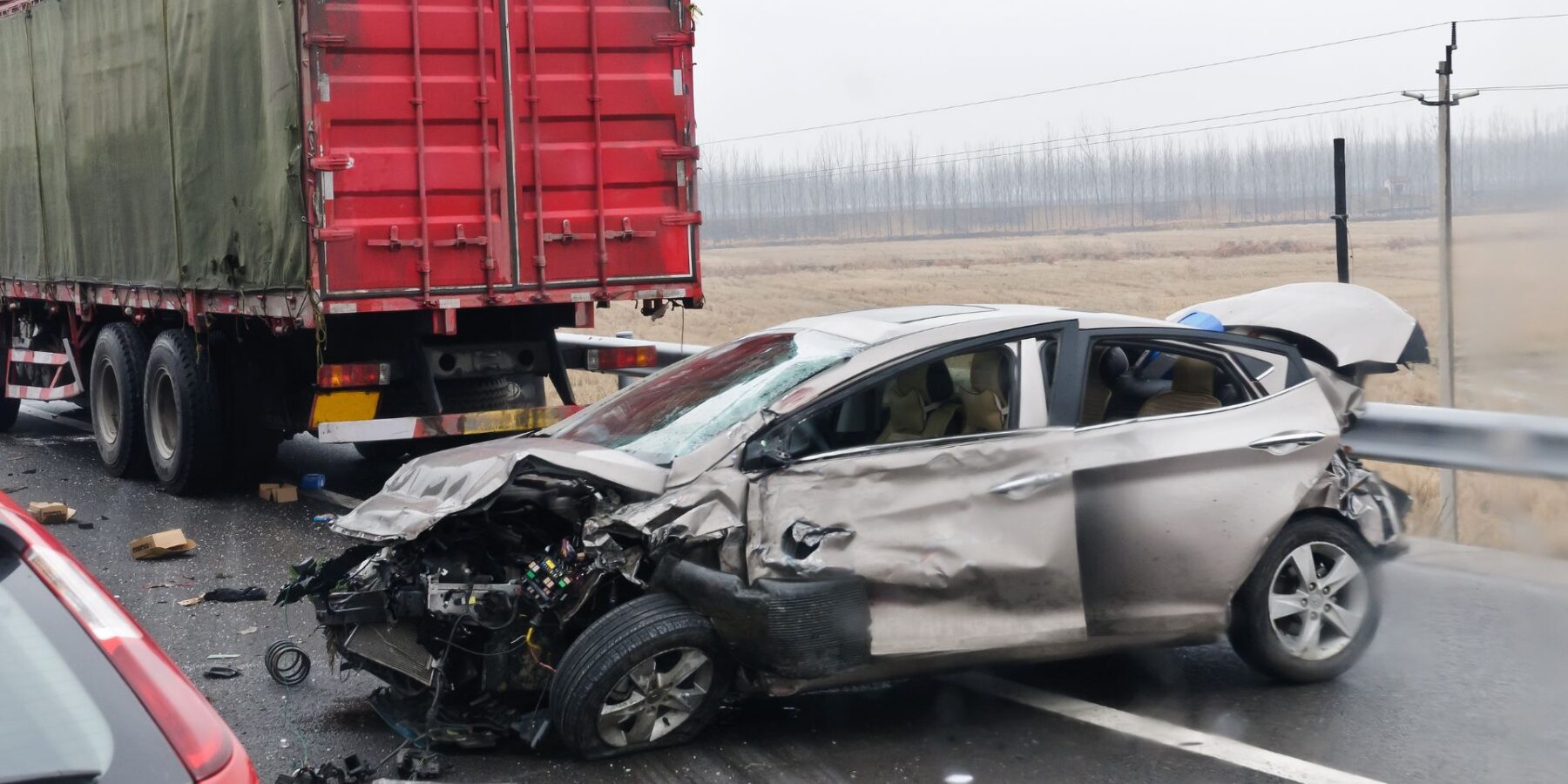
Truck Accident Lawyers in Nampa
A truck accident in Nampa can leave you facing injuries, vehicle damage, missed income, and insurance pressure immediately after the collision occurs. Commercial vehicles can cause severe damage because of their size, weight, cargo, and stopping distance. A strong truck accident claim requires early investigation from truck accident lawyers in Nampa into the driver, trucking company, insurance coverage, maintenance history, and every decision that contributed to the collision.
Goldberg & Loren represents injured people who need more than a basic insurance claim after a serious truck crash. These cases can involve multiple companies, layered insurance policies, disputed safety practices, and records that may disappear if no one acts quickly. Truck accident lawyers in Nampa understand how quickly trucking companies and insurers begin protecting their side of the case. Call Goldberg & Loren at (208) 886-1120 for a free consultation today to begin your truck crash claim with a firm ready to act.
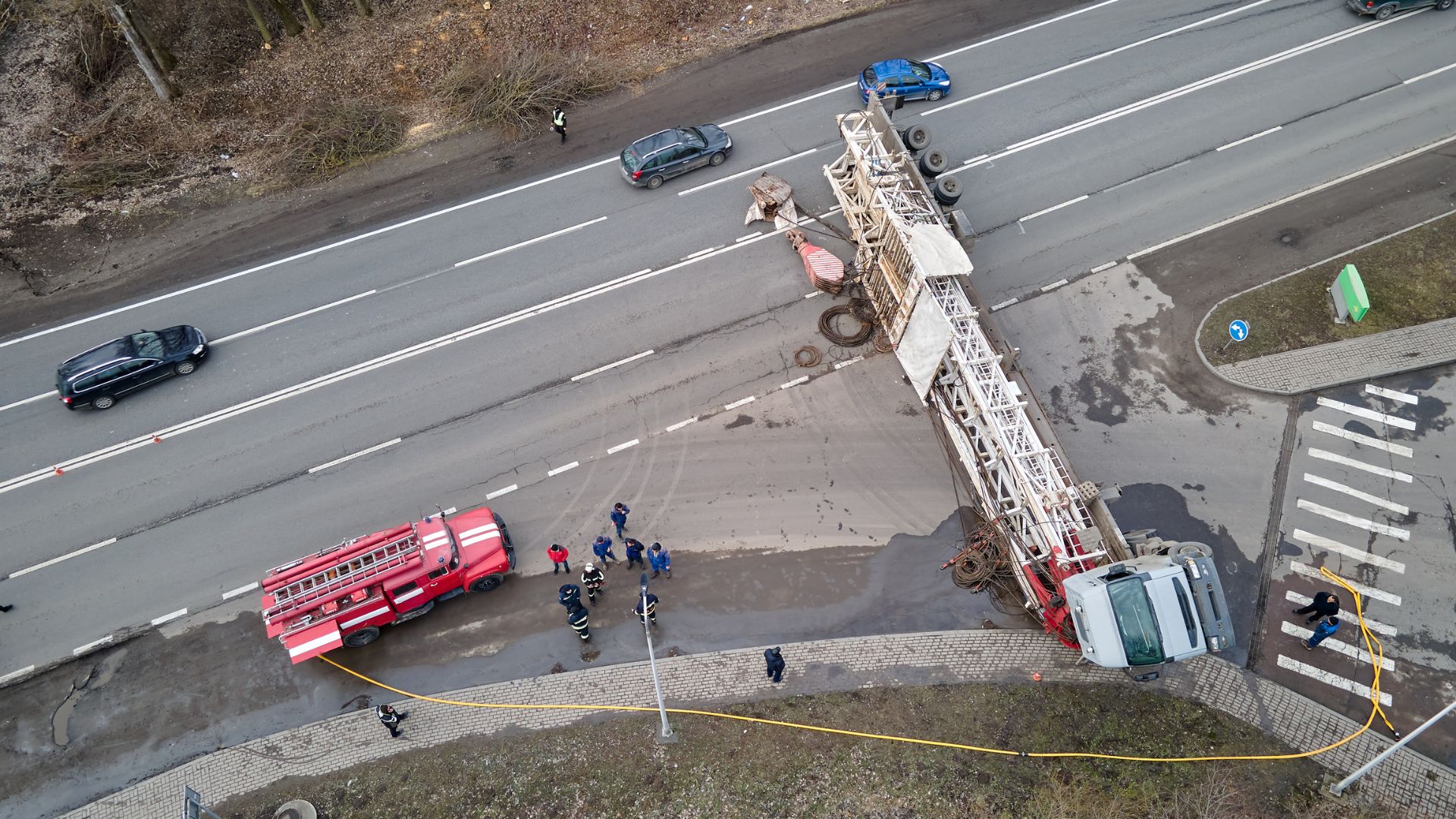
What To Do Immediately After a Truck Accident in Nampa
The first moments after a truck accident can affect your health, safety, and claim. Move away from traffic if you can do so safely, check for injuries, and call emergency services right away. Truck crashes can involve severe force, so pain may increase after the shock begins wearing off. Medical evaluation also creates a record that connects your injuries to the collision. Early decisions protect both your recovery and your claim. Goldberg & Loren can step in early to protect the records, medical proof, and trucking evidence that may shape your claim.
Avoid arguing with the truck driver, company representative, or insurance adjuster at the scene. Give basic information to the police, but do not guess about speed, fault, injuries, or what caused the crash. Take photos if your condition allows, gather witness information, and keep every document you receive. Truck accident lawyers in Nampa can review those early records before the trucking company controls the evidence. Fast action gives your case a stronger foundation.
Call Emergency Services and Get Medical Care
Emergency services create an official response when injuries, vehicle damage, or blocked traffic follow a truck crash. Police can document driver information, vehicle details, insurance information, statements, and visible crash conditions. Medical responders can evaluate urgent symptoms that might not feel serious at first. Delayed pain, dizziness, numbness, and confusion deserve immediate attention after a high-impact collision. Medical care protects your health before the claim becomes the focus.
Report Pain Before Symptoms Become Worse
Report every symptom, even when pain feels manageable at first. Truck crash injuries can become clearer after swelling, shock, and adrenaline fade. Early symptom records make later treatment easier to explain when insurers question timing.
Follow Medical Instructions After the First Visit
Follow medical instructions after leaving emergency care or urgent care. Missed appointments give insurers room to question injury severity and recovery needs. Consistent care protects your health while strengthening the medical record.
Protect Photos and Witness Information
Photos preserve crash details that may disappear after vehicles move, repairs begin, or cleanup ends. Capture vehicle damage, debris, visible injuries, weather conditions, cargo issues, and anything else that shows how the collision happened. Witness names and phone numbers also matter because independent accounts can support your version of events. A witness may remember braking, lane movement, speed, or driver behavior before impact. Those details can become important when responsibility gets disputed.
Vehicle Damage Can Explain Impact Force
Vehicle damage can show how much force was involved in the collision. Photos of crushed panels, broken glass, impact points, and debris support the crash timeline. Repair records can later reinforce those visual details during claim review.
Witness Details Can Fade Quickly
Witness details can fade quickly after a stressful truck crash. Early names, phone numbers, and short statements preserve outside observations before memory changes. Independent accounts reduce reliance on the truck driver’s version.
Avoid Recorded Statements Without Legal Review
Insurance adjusters may contact you soon after the crash while you are still overwhelmed. Their questions may sound routine, but your answers can shape how the company evaluates fault and injuries. Recorded statements create risk when you estimate distances, minimize pain, or answer before medical facts are complete. A truck accident claim can involve the driver’s insurer, the trucking company’s insurer, and other coverage sources. Legal review keeps early communication from weakening the claim.
Simple Questions Can Carry Legal Weight
Simple questions can carry legal weight after a truck crash. Estimates about speed, distance, pain, fault, or timing may later be used against you. Careful communication prevents avoidable claim problems during insurance review.
Written Notices Should Be Saved
Written notices should be saved from every insurer involved. Letters, emails, claim numbers, payment explanations, and coverage statements reveal the company’s position. Organized records make legal review more effective later.
Preserve Trucking Evidence Before It Disappears
Truck accident evidence can exist outside the crash scene itself. Driver logs, inspection records, maintenance files, dispatch instructions, cargo records, and onboard data may explain what happened before impact. Some evidence belongs to the trucking company, which means injured people may not access it without legal action. Acting quickly matters because records can become harder to locate as time passes. Preservation efforts can keep important evidence available.
Company Records May Explain Safety Failures
Company records may explain choices made before the truck crash. Maintenance history, driver schedules, inspection documents, and dispatch records can reveal preventable problems. Those records may strengthen responsibility arguments during the claim.
Early Legal Action Protects Critical Proof
Early legal action protects evidence before it changes or disappears. Preservation letters can demand that important trucking records remain available for review. A fast investigation gives the claim stronger factual support.
How Nampa Truck Accident Attorneys Identify Every Insurance Policy Involved
Truck accident claims rarely involve one simple insurance source. A single crash can involve coverage for the driver, the trucking company, the trailer, the cargo, the employer, the vehicle owner, or a separate contractor connected to the trip. Truck accident lawyers in Nampa investigate those relationships before an insurer tries to treat the case like an ordinary two-car collision. That work matters when injuries require emergency care, ongoing treatment, missed work, and long-term financial recovery. A complete insurance review can change how the entire claim is valued.
Insurance coverage also depends on what the truck was doing when the crash happened. A driver making a delivery, hauling freight, returning from a job, using a leased trailer, or working under dispatch may trigger different policies. Attorneys review ownership records, business relationships, trip details, and insurance communications early so the claim does not rely on incomplete coverage information. Trucking insurers may point at one another when serious money is at stake. Coverage must be identified before negotiation begins.
Driver Coverage Does Not Always Tell the Whole Story
The driver’s insurance information may be the first coverage detail available after the crash, but that policy rarely answers every question in a commercial truck claim. A truck driver’s role at the time of impact can change which insurers must respond, especially when the driver was completing job duties, hauling freight, or operating under company instructions. Truck accident lawyers in Nampa compare the driver’s policy against employment details, trip purpose, vehicle ownership, and business records. This approach prevents the claim from stopping at the easiest policy instead of the policies that actually apply. Driver coverage starts the review, not the recovery.
Work Status Can Expand Available Coverage
Work status can determine whether commercial insurance enters the claim. A driver hauling freight, following dispatch instructions, or completing a delivery may involve coverage beyond a personal policy. Those details deserve early review before any insurer narrows the claim.
Personal Use Creates Different Insurance Questions
Personal use can create a different coverage dispute after a truck crash. Insurers may argue the driver was outside work duties when the collision happened. Trip records and driver statements help clarify that issue.
Trucking Company Policies Need Direct Investigation
Trucking company coverage can become central when the crash connects to company operations, vehicle control, dispatch decisions, or driver supervision. These policies may carry different limits and defenses than ordinary auto insurance, which makes early identification important for serious injury claims. Nampa truck accident attorneys examine whether the company owned the truck, employed the driver, controlled the route, assigned the delivery, or managed maintenance responsibilities. Insurers may deny responsibility by claiming the driver acted independently or outside company’s direction. A focused review of company involvement prevents those arguments from controlling the claim too early.
Dispatch Records Can Connect the Company to the Trip
Dispatch records can show who directed the truck before impact. Route instructions, delivery schedules, driver communications, and trip assignments may connect the crash to company operations. Those records can reveal coverage that the first insurer never mentions.
Vehicle Ownership Can Shift the Coverage Analysis
Vehicle ownership can affect which policy responds after a crash. The truck may belong to a company, driver, leasing business, or separate commercial entity. Ownership records help identify insurers beyond the driver’s paperwork.
Trailer and Cargo Coverage Can Add New Recovery Sources
A truck crash may involve insurance connected to equipment or freight, not only the driver behind the wheel. Trailer owners, cargo companies, loading contractors, maintenance vendors, and freight brokers may carry policies that become relevant when their decisions contributed to the collision. Truck accident lawyers in Nampa review loading records, delivery paperwork, trailer ownership, inspection notes, and freight documents to find coverage tied to those parties. That analysis matters when shifting cargo, unsafe loading, defective equipment, or improper maintenance affected the crash. Overlooked coverage can leave major losses outside the claim.
Loading Records May Reveal Additional Responsible Businesses
Loading records can show who handled freight before the truck moved. Weight distribution, cargo securement, loading instructions, and shipment documents may identify companies beyond the carrier. Those records matter when cargo movement contributed to the collision.
Trailer Agreements Can Point to Another Insurer
Trailer agreements can show who owned, leased, or maintained the equipment. A trailer may be insured separately from the truck pulling it. That detail can add another coverage source.
Policy Limits Affect the Settlement Strategy From the Start
Policy limits matter because truck accident injuries can exceed ordinary auto coverage quickly. Emergency treatment, surgery, rehabilitation, lost income, reduced earning ability, future care, and permanent pain can create damages that one policy cannot fairly cover. Truck accident lawyers in Nampa review available limits early so the settlement strategy reflects the full financial picture. This review also prevents an insurer from pressuring an injured person to accept a number based on incomplete coverage. Serious claims need every available policy identified before valuation begins.
Coverage Amounts Must Be Compared Against Real Losses
Coverage amounts only matter when compared against documented losses. Medical bills, wage records, future care needs, and long-term limitations show whether one policy is enough. That comparison guides settlement demands and negotiation timing.
Coordinating Insurers Prevents Avoidable Claim Delays
Coordinating insurers becomes difficult when several policies may apply. One company may deny responsibility while another waits for more proof. Legal organization keeps coverage disputes from slowing recovery.

How Goldberg & Loren Builds a Nampa Truck Accident Claim Around Strong Evidence
Strong evidence gives a truck accident claim the weight it needs before insurers start reducing responsibility. Goldberg & Loren builds Nampa truck accident claims by connecting crash records, trucking documents, medical proof, witness accounts, and insurance communications into one organized case narrative. Truck crashes often involve company decisions that happened long before impact, including hiring, scheduling, maintenance, loading, routing, and vehicle oversight. Those details matter because they can reveal why the crash happened and which parties may share responsibility. A stronger evidence record gives the claim more force during negotiation.
Truck accident evidence also requires urgency because important records may sit with the trucking company, carrier, contractor, or insurer. Goldberg & Loren looks for proof that explains driver conduct, vehicle condition, company involvement, injury severity, and the financial harm caused by the crash. This work prevents the claim from depending only on the driver’s statement or a short insurance summary. Serious truck crash claims need facts that withstand blame shifting and low settlement offers. Evidence gives your recovery position real support.
Trucking Records Can Reveal What Happened Before Impact
Trucking records can show the decisions that placed the truck on the road before the collision. Driver logs, inspection reports, maintenance files, dispatch notes, and delivery records may explain fatigue, mechanical problems, route pressure, or missed safety steps. Goldberg & Loren reviews those records to understand whether the crash involved more than a single driving mistake. This evidence matters when a trucking company tries to separate itself from the driver’s conduct. A strong record review can uncover responsibility that is not obvious at the scene.
Driver Logs Can Expose Unsafe Scheduling
Driver logs can show how long the driver worked before the crash. Long hours, short rest periods, and rushed assignments may explain unsafe decisions behind the wheel. Those records can connect company pressure to dangerous driving.
Maintenance Files Can Reveal Preventable Problems
Maintenance files can show whether the truck had unresolved mechanical issues. Brake problems, tire concerns, lighting defects, or inspection gaps may affect responsibility. Repair history gives the claim a stronger technical foundation.
Medical Evidence Connects the Crash to Your Losses
Medical evidence explains how the truck crash affected your body, treatment needs, and daily life. Emergency records, imaging results, specialist notes, therapy plans, prescriptions, and work restrictions can show the seriousness of the injury. Goldberg & Loren reviews those materials to connect the collision to medical bills, lost income, future care, and physical limitations. This documentation becomes especially important when insurers argue that symptoms are exaggerated or unrelated. A well-supported medical record makes the damages harder to dismiss.
Treatment Records Show Injury Progression
Treatment records show how injuries changed after the crash. Pain levels, mobility problems, diagnostic findings, and referral notes create a timeline. That timeline protects the claim when symptoms develop gradually.
Work Restrictions Support Financial Damages
Work restrictions explain how injuries affected earning ability after the crash. Modified duties, missed shifts, reduced hours, and lifting limits can show real financial harm. Medical notes make wage loss easier to prove.
Scene Evidence Can Support the Crash Timeline
Scene evidence can explain how the collision unfolded before memories fade or vehicles get repaired. Photos, debris locations, vehicle positions, skid marks, cargo conditions, and visible damage may show impact direction and crash severity. Goldberg & Loren uses those details to compare physical evidence against driver statements and insurance arguments. This comparison matters when the trucking company disputes speed, lane position, braking, or fault. The scene record can make the crash timeline harder to distort.
Photos Preserve Details That Change Quickly
Photos preserve conditions that may disappear within hours. Vehicle positions, cargo issues, visible injuries, and road debris can change after cleanup. Early images give the claim lasting visual proof.
Repair Records Add Mechanical Context
Repair records add context beyond what photos show. Damage estimates, parts lists, and inspection notes can confirm impact force. Those records may support the injured person’s account.
Witness Accounts Strengthen the Liability Picture
Witness accounts can provide an outside view of the truck’s movement, speed, braking, lane changes, or driver behavior. Independent observations matter when the truck driver and insurer present a different version of events. Goldberg & Loren compares witness statements with trucking records, scene evidence, medical documentation, and insurance communications. That comparison can show which account best fits the available facts. Reliable witness evidence can strengthen the liability picture before negotiation begins.
Independent Statements Reduce One-Sided Narratives
Independent statements reduce reliance on the truck driver’s explanation. A witness may describe braking, swerving, lane movement, or unsafe speed. Those details can challenge an insurer’s preferred version.
Early Contact Protects Witness Memory
Early contact protects details before memory becomes less reliable. Stress, time, and repeated conversations can change how witnesses recall events. Prompt outreach keeps outside observations more useful.
Start Your No Obligation Free Case Review With Goldberg & Loren Today
A truck crash can drastically change your life in an instant. Goldberg & Loren can review the crash, identify the records that may matter, and explain what steps can protect your claim before trucking insurers narrow the conversation. Serious truck accident claims may involve a wide variety of evidence relating to the vehicle details, insurance, and collision narrative. Early legal direction gives your claim structure before important evidence becomes harder to obtain.
Your claim deserves attention before insurance companies define the crash story, limit the coverage discussion, or pressure you toward a settlement that ignores any long-term needs. Truck accident lawyers in Nampa can evaluate driver conduct, company responsibility, medical losses, policy limits, and the evidence needed to support the path to maximum compensation. Goldberg & Loren is ready to guide you through the legal process and help you take the next step with confidence. For a free consultation, call Goldberg & Loren at (208) 886-1120 or visit our contact page today.
Practice Areas
Trust Us With Your Personal Injury Claim
If you or a loved one have been injured, Goldberg & Loren will fight for you every step of the way. We will give our all to secure the compensation you rightfully deserve.





Contact usfor a free consultation.
Phone: (208) 886-1120