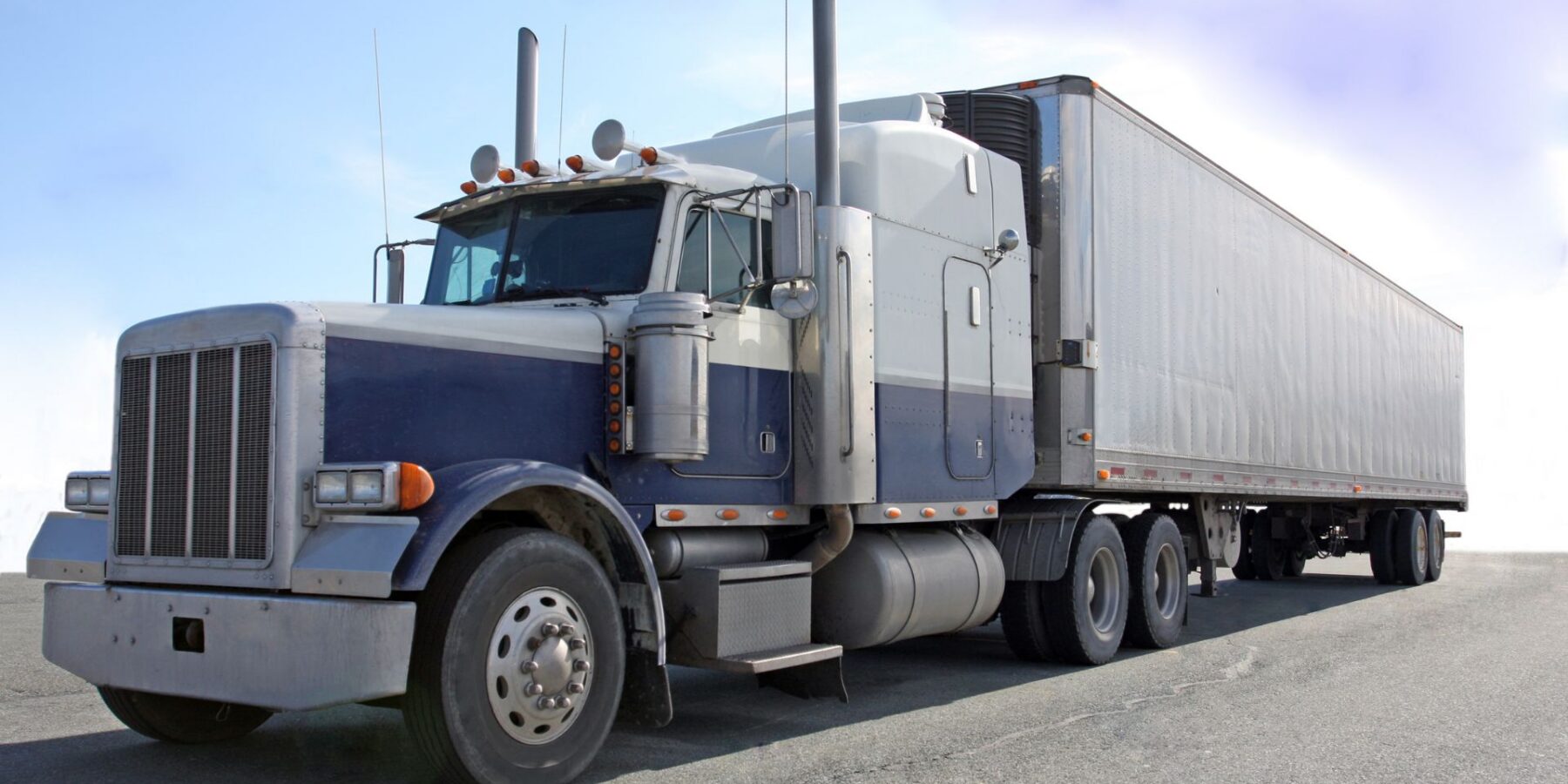
18-Wheeler Accident Lawyers in Boise
An 18-wheeler crash in Boise can leave you dealing with severe injuries, a damaged vehicle, missed income, and questions about which trucking company, driver, insurer, or contractor may be responsible. The truck may be tied to a carrier, a delivery schedule, a maintenance history, a cargo load, and commercial insurance teams that begin protecting their side quickly. 18-wheeler accident lawyers in Boise can help uncover those connections while you focus on medical care, transportation problems, missed work, and the disruption caused by a serious collision.
Goldberg & Loren represents injured people after 18-wheeler truck crashes to ensure they get the compensation they deserve. A strong claim should examine how the crash happened, what records may prove fault, and how the injuries affect your medical care, work, mobility, and long-term recovery. Call Goldberg & Loren at (208) 886-1120 for a free consultation and to speak with our 18-wheeler accident lawyers in Boise today.
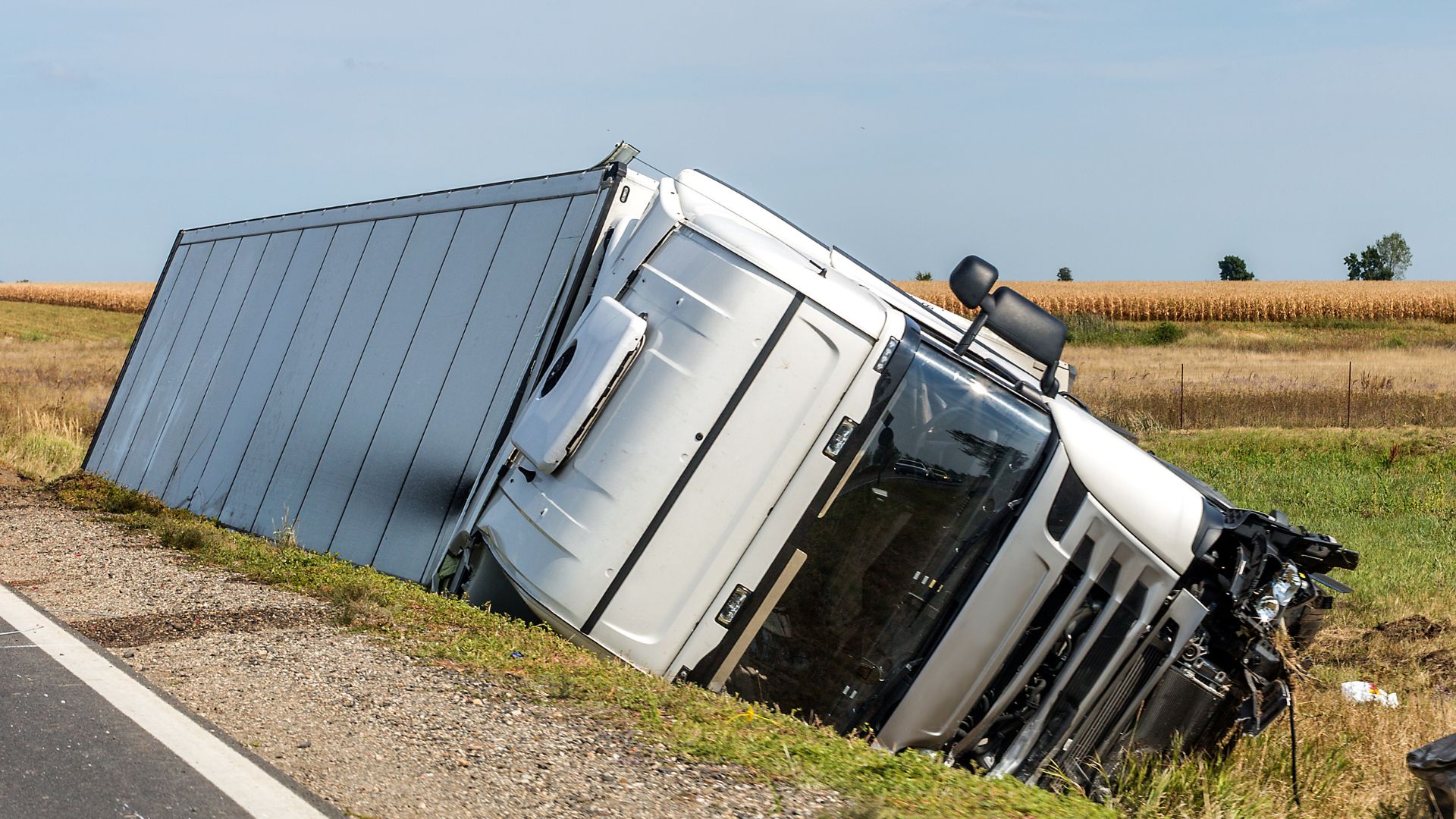
What Happens After an 18-Wheeler Crash in Boise
An 18-wheeler crash in Boise can create a legal and insurance process that starts moving before the injured person has time to understand the damage. The trucking company may begin reviewing the collision, contacting its insurer, protecting internal records, and preparing its side while medical treatment is still unfolding. Goldberg & Loren help identify what needs to be preserved, which companies may be involved, and how the crash should be investigated before the record becomes one-sided. These early steps matter because commercial truck claims often depend on information controlled by the trucking business, not the injured person. The first days after the crash can shape the entire claim.
A serious collision with an 18-wheeler may involve more than the driver’s statement or the police report. Carrier records, maintenance files, dispatch instructions, cargo information, electronic truck data, and insurance documents may all affect how responsibility is proven. Goldberg & Loren can review the crash from the business side and the injury side, so the claim reflects both how the collision happened and what it cost you. 18-wheeler accident lawyers in Boise can also help protect you from quick insurance pressure before your medical outlook becomes clear. A truck crash claim should not be rushed by the companies defending it.
The Trucking Company May Respond Before You Recover
The trucking company may know about the crash almost immediately, especially when the vehicle belongs to a commercial carrier or delivery operation. Company representatives may begin gathering driver information, vehicle details, route records, and insurance materials long before the injured person receives a full diagnosis. Lawyers can respond by requesting preservation of records and identifying evidence that may explain what happened before impact. This matters because trucking companies often have access to records that injured people cannot obtain on their own. Early legal action can keep key facts from disappearing.
Company Representatives May Protect Their Own Records
Company representatives may focus first on protecting the carrier, the driver, and the business interests connected to the truck. Their records may include dispatch notes, driver logs, inspection files, repair history, and internal communications about the route. Those materials should be preserved before routine business practices erase or replace important information.
Early Legal Action Can Preserve Key Evidence
Early legal action can help secure truck data, company documents, witness information, and scene evidence before disputes develop. Preservation requests can prevent the trucking company from treating important records like ordinary paperwork. A fast and early review gives the injured person a stronger position before the defense controls the file.
Commercial Insurance Issues Can Begin Immediately
Commercial insurance issues can begin quickly because 18-wheeler crashes often involve larger policies and stronger defense efforts than ordinary vehicle claims. An insurer may request statements, inspect vehicles, review medical information, or look for ways to shift fault before the injured person understands the full claim. 18-wheeler accident lawyers in Boise can help manage those communications so that early answers do not create unnecessary problems. This becomes especially important when several insurers may be connected to the driver, truck, trailer, cargo, or trucking company. Insurance review should happen before settlement discussions gain pressure.
Multiple Policies May Need Review
An 18-wheeler crash may involve coverage from the carrier, trailer owner, driver, broker, shipper, or another business tied to the load. Each policy may have different limits, exclusions, and responsibilities. Reviewing every possible coverage source can help prevent compensation from being limited too early.
Coverage Disputes Can Delay Compensation
Coverage disputes can happen when insurers argue about which policy should respond first. These disagreements can delay payment for medical expenses, property damage, lost income, and other losses. Legal review can keep the claim moving while insurers sort through responsibility.
Serious Injuries May Require Long-Term Documentation
An 18-wheeler crash can cause injuries that continue far beyond the first emergency room visit. Victims may need imaging, surgery, therapy, pain management, specialist care, mobility support, or extended time away from work. Lawyers can help organize medical records so the claim shows how the injury developed over time. This documentation matters when insurers try to value the case before doctors know the full recovery timeline. Serious injuries need proof that follows the patient’s actual condition.
Emergency Care May Not Show the Full Damage
Emergency care may identify the most urgent injuries, but it may not capture every problem caused by the crash. Symptoms involving the back, neck, head, joints, or nerves can become clearer after swelling and shock fade. Any follow-up care can explain why the injury required more treatment than the first records suggested.
Follow-Up Treatment Can Protect Claim Value
Follow-up treatment can document pain levels, diagnoses, restrictions, referrals, and recovery progress after the initial visit. These records can show why future care, missed work, or lasting limitations should be included in the claim. Ongoing medical proof can prevent the case from being undervalued.
Fault May Extend Beyond the Truck Driver
Fault after an 18-wheeler crash may involve more than the person behind the wheel. A trucking company may have pushed an unrealistic schedule, a maintenance provider may have missed a dangerous defect, or a cargo loader may have created an unsafe weight problem. 18-wheeler accident lawyers in Boise can investigate the business relationships behind the truck to determine who contributed to the collision. This broader review matters because commercial truck crashes are often caused by a chain of decisions, not one isolated mistake. Responsibility should follow every party that helped create the danger.
Carrier Maintenance and Cargo Decisions May Matter
Maintenance and cargo decisions can affect whether a truck stops, turns, balances, or responds safely in traffic. Poor brake care, tire problems, overloaded freight, or unsecured cargo can make a crash more likely and more severe. Records from the carrier, mechanic, or loading company may reveal preventable safety failures.
Business Records Can Reveal Shared Responsibility
Business records can show who controlled the route, truck condition, cargo loading, driver schedule, and safety requirements before the crash. These documents can identify responsible parties that are not obvious from the police report. Shared responsibility can expand the claim beyond the driver alone.
How 18-Wheeler Accident Lawyers in Boise Use Evidence to Prove Fault
Proving fault after an 18-wheeler crash usually requires evidence that goes far beyond the crash report. A commercial truck may carry electronic data, inspection records, driver logs, route details, cargo documents, and company communications that can explain what happened before impact. 18-wheeler accident attorneys can use those records to determine whether the driver reacted too late, stayed on the road too long, operated unsafe equipment, or followed instructions that created unnecessary danger. This type of evidence matters because trucking companies may defend the claim before injured people know which documents exist. Fault becomes clearer when the investigation reaches the records behind the truck.
Goldberg & Loren can review commercial truck evidence from several angles so the claim does not depend only on statements from the driver or insurer. A serious crash may involve fatigue, speeding, mechanical failure, unsafe loading, poor supervision, or delivery pressure that changed how the vehicle was operated. 18-wheeler accident lawyers in Boise can connect those facts to the collision and the injuries that followed. Evidence should explain the driver’s choices, the company’s role, and the preventable danger that led to the crash. A strong claim needs proof that reaches beneath the surface.
Electronic Truck Data Can Show Driver Actions
Electronic truck data can provide a clearer picture of the seconds before impact. This information may show speed, braking activity, throttle use, steering movement, sudden deceleration, and other vehicle actions. 18-wheeler accident attorneys in Boise can review electronic data to compare the truck’s movement against the driver’s statement and the physical evidence at the scene. That comparison can reveal whether the driver reacted too late, followed too closely, or failed to slow for traffic. Digital truck data can make disputed fault harder to avoid.
Speed and Braking Records Can Clarify Impact
Speed and braking records can show whether the truck had enough time and distance to avoid the collision. A lack of braking or a sudden late brake may suggest the driver was distracted, tired, or following too closely. Those records can explain why the impact happened with such force.
Preserved Data Can Challenge Driver Accounts
Preserved data can confirm or contradict what the truck driver says happened. If the driver claims traffic stopped suddenly, electronic records may show whether speed and braking matched that account. Digital proof can protect the claim from unsupported explanations.
Driver Logs Can Reveal Fatigue or Rule Problems
Driver logs can show how long the truck operator had been on duty before the crash. These records may also reveal rest breaks, route timing, driving stretches, and gaps that need further investigation. 18-wheeler accident attorneys can examine logs alongside fuel receipts, GPS records, dispatch messages, and delivery schedules. This review can show whether fatigue or scheduling pressure contributed to unsafe driving. Driver fatigue becomes easier to prove when the timeline is documented.
Hours Behind the Wheel Need Careful Review
Hours behind the wheel can affect reaction time, judgment, lane control, and braking decisions. A driver who exceeded safe limits may not recognize danger quickly enough to prevent a crash. Reviewing the timeline can show whether the truck should have been operating at all.
Log Gaps Can Support Deeper Investigation
Log gaps may raise questions about missing rest periods, altered entries, or incomplete route information. These gaps should be compared with other business records before the company’s explanation is accepted. Inconsistencies can point toward deeper safety problems.
Maintenance Records Can Expose Preventable Failures
Maintenance records can reveal whether the truck was safe before it entered Boise traffic or nearby highways. Brake problems, worn tires, steering issues, lighting defects, trailer problems, and ignored inspection notes can all affect control. 18-wheeler accident lawyers in Boise can review repair files, inspection reports, defect notices, and post-crash findings to determine whether equipment failure contributed to the collision. A trucking company cannot treat a known safety issue like an unavoidable accident. Poor maintenance can turn paperwork into powerful fault evidence.
Brake and Tire History May Show Neglect
Brake and tire history can show repeated wear, skipped inspections, delayed repairs, or unsafe equipment left in service. These problems can increase stopping distance and reduce control during traffic changes. Records of repair may show the crash followed preventable neglect.
Repair Files Can Connect Defects to the Crash
Repair files can explain when a defect was reported, who knew about it, and whether it was fixed properly. Those details can connect a mechanical problem to the impact. A documented defect can expand fault beyond the driver.
Cargo and Route Records Can Identify Business Fault
Cargo and route records can show whether business decisions helped create the crash. A poorly balanced load, overloaded trailer, rushed delivery schedule, or unrealistic route plan can affect how an 18-wheeler handles on the road. 18-wheeler accident attorneys can review bills of lading, weight records, loading notes, dispatch instructions, and route communications. These documents may reveal responsibility outside the cab when a company or contractor created unsafe conditions. Business records can show why the crash was preventable.
Load Details Can Affect Truck Control
Load details can reveal whether cargo weight, balance, or securement made the truck harder to stop or steer. Shifting freight can increase rollover risk, lane drift, and braking problems. Cargo records can connect loading decisions to the collision.
Dispatch Pressure Can Reveal Unsafe Decisions
Dispatch pressure can push drivers to continue despite fatigue, weather, congestion, or mechanical concerns. Route messages and delivery deadlines may show whether timing took priority over safety. Those records can help prove the crash started before the truck reached the scene.

Goldberg & Loren Helps Boise Truck Crash Victims Challenge Corporate Defenses
Goldberg & Loren understands that an 18-wheeler claim can become a fight against more than one driver’s explanation. Trucking companies, insurers, carriers, brokers, and other businesses may each protect their own role after a serious Boise crash. 18-wheeler accident lawyers in Boise can respond by identifying the defense position early and building the claim around records that show what really happened. That kind of preparation matters when corporate defendants try to reduce the claim before the injured person understands the full damage.
A strong response to corporate defenses requires more than repeating what appears in the crash report. The claim may need driver records, dispatch history, electronic truck data, maintenance files, cargo records, insurance information, and medical proof that explains the injuries. Goldberg & Loren can use those materials to challenge blame shifting, delay, and undervalued settlement positions. Commercial defendants should not control the story when their own records may reveal preventable danger.
Defense Arguments Are Answered With Specific Proof
Corporate defense arguments may focus on traffic conditions, sudden stops, unavoidable impact, or another driver’s conduct. Those arguments can sound convincing until they are compared against the truck’s data, company documents, witness accounts, and physical evidence. Lawyers can help test each defense against proof that shows how the crash actually developed. A claim becomes harder to dismiss when every response is supported by records, not assumptions.
Company Explanations Should Match the Evidence
A trucking company’s explanation should be compared against driver logs, inspection records, dispatch communications, and crash scene details. When those records tell a different story, the defense position may lose credibility. Evidence can expose gaps that a company statement leaves out.
Strong Records Can Undercut Blame Shifting
Blame shifting becomes weaker when records show unsafe scheduling, poor maintenance, or delayed driver reaction. These details can move the focus back to the conduct that caused the crash. Specific proof can make corporate defenses harder to maintain.
Corporate Delay Tactics Are Handled Directly
Delay can create pressure when medical bills, missed income, and vehicle loss continue while companies debate responsibility. A commercial insurer may request more documents, question treatment, or wait for another business to accept fault. Lawyers in Boise can push the claim forward by identifying what information is missing and demanding the records that matter. Delay should not become a strategy that benefits the companies involved.
Insurance Requests Need Focused Responses
Insurance requests may ask for statements, authorizations, medical details, or documents that affect the claim’s direction. Each request should be reviewed before the injured person gives information that may be used out of context. Focused responses help keep the claim organized and protected.
Slow Responses Can Increase Financial Pressure
Slow responses can leave injured people dealing with bills, transportation problems, and lost wages without clear answers. That pressure can make a low offer feel more tempting than it should. Active claim management helps prevent delays from controlling decisions.
Claim Strategy Stays Focused on Accountability
Accountability means showing how the crash happened, who contributed to it, and why the resulting harm deserves serious compensation. Goldberg & Loren can examine driver conduct, company practices, vehicle condition, cargo handling, and insurance coverage together instead of treating each issue separately. Lawyers in Boise can build a claim that explains how corporate decisions affected the road danger. The strategy should keep responsibility attached to every party that helped cause the collision.
Business Decisions Can Create Roadway Danger
Business decisions may involve unrealistic schedules, skipped repairs, unsafe loading, poor training, or pressure to keep driving despite safety concerns. These choices can create danger long before the truck reaches Boise traffic. Reviewing those decisions can reveal responsibility beyond the driver alone.
Accountability Can Strengthen Settlement Negotiations
Accountability gives settlement negotiations a clearer foundation when the evidence shows preventable conduct. Insurers have less room to minimize a claim when records connect business choices to the crash. A prepared claim can create stronger pressure for fair resolution.
Call Goldberg & Loren Today to Get Help With Your 18-Wheeler Accident Claim
An 18-wheeler collision can leave behind questions that ordinary insurance paperwork will not answer. You may need to know who controlled the truck, what records exist, and how the crash will affect your health and income. Goldberg & Loren can examine the commercial details behind the collision before trucking companies shape the claim around their own defense. 18-wheeler accident lawyers in Boise can help you move forward with clearer information and stronger protection.
Your recovery should not depend on what a carrier, insurer, or corporate representative chooses to disclose first. Our team can review the crash facts, evaluate injury losses, and pursue compensation with the seriousness your case deserves. A Boise truck crash claim needs attention before evidence fades and pressure builds. Call Goldberg & Loren at (208) 886-1120 or visit our contact page for a free case review today.
Practice Areas
Trust Us With Your Personal Injury Claim
If you or a loved one have been injured, Goldberg & Loren will fight for you every step of the way. We will give our all to secure the compensation you rightfully deserve.



Contact usfor a free consultation.
Phone: (208) 886-1120