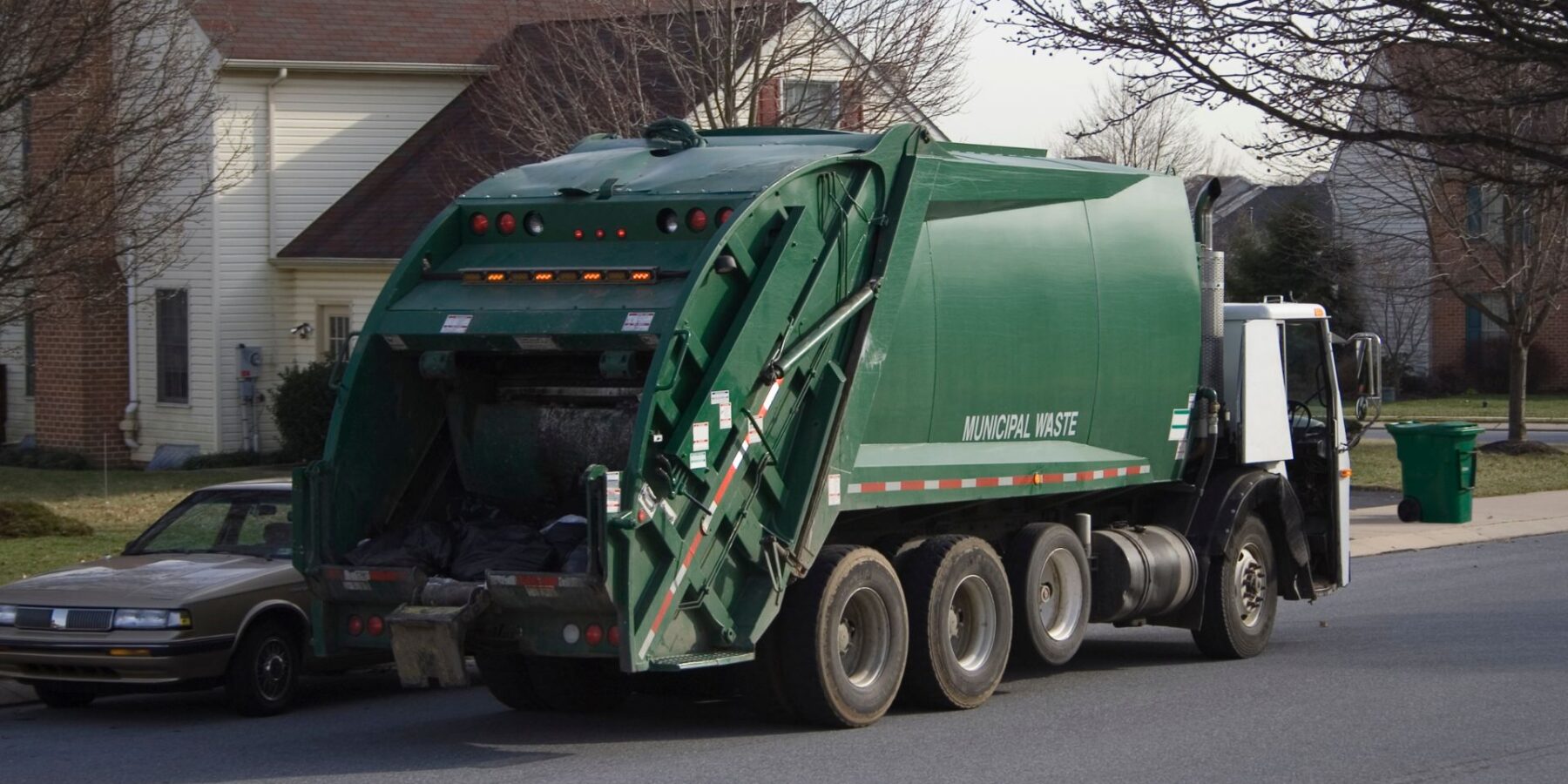
Trash Truck Accident Lawyers in Boise
Trash trucks work in places where traffic is already tight, including residential streets, apartment lots, business routes, and curbside collection areas. These trucks are large, slow to maneuver, and difficult to see around, which means one unsafe movement can cause serious injuries in an ordinary neighborhood setting. Trash truck accident lawyers in Boise can review the trash truck route, company procedures, and injury documentation that may affect your claim to ensure the full story is reflected.
Goldberg & Loren represents people injured by garbage trucks, waste collection vehicles, sanitation trucks, and other heavy service vehicles operating throughout Boise. These cases often require attention to blind spots, backing alarms, camera systems, route timing, maintenance history, and whether the truck operator used enough caution in a crowded area to ensure fault is assigned correctly and completely to those responsible. Call Goldberg & Loren at (208) 886-1120 for a free case review and speak with our trash truck accident lawyers in Boise today to begin the first steps to getting maximum compensation for your case.

What Makes Trash Truck Accident Claims Different From Other MVAs
Trash truck accident claims involve vehicles that operate differently from most other motor vehicles on Boise roads. A waste collection truck moves slowly, stops often, blocks visibility, backs near homes, and works close to pedestrians, cyclists, parked cars, and neighborhood traffic. Goldberg & Loren reviews these claims with attention to route behavior, driver awareness, vehicle safety systems, and waste company procedures. The crash may involve a heavy service vehicle performing repeated collection tasks instead of a driver simply traveling from one place to another. Those details make the claim different from a standard MVA.
A garbage truck crash also raises questions about whether the driver and company followed safety practices during collection work. Backup alarms, mirrors, cameras, route timing, maintenance logs, and company policies may all explain how the collision occurred. Goldberg & Loren reviews those details before insurers reduce the crash to a routine traffic event. A strong claim should show how the truck’s size, movement, route duties, and operating conditions created danger. Trash truck crashes deserve analysis built around the realities of waste collection.
Frequent Collection Stops Increase Crash Risk
Frequent collection stops create unusual traffic conditions in residential streets, alleys, parking lots, and business routes. A trash truck may stop suddenly, pull away from the curb, block part of a lane, or move between collection points while nearby people try to pass. Trash truck accident lawyers in Boise examine route timing, truck position, and surrounding traffic to understand how the stop affected the crash. These details matter when a driver, pedestrian, cyclist, or another motorist had little time to react. Collection activity often explains why the collision happened.
Sudden Stops Create Hazards on Residential Streets
Sudden stops may surprise drivers, cyclists, and pedestrians who do not expect a heavy truck to halt repeatedly. The risk becomes greater when the truck blocks sightlines near driveways, parked cars, or narrow lanes. Route behavior helps explain whether the stop created unnecessary danger.
Route Timing Helps Explain Driver Movement
Timing of the route may show how quickly the truck moved between collection points. Tight schedules, repeated stops, and missed bins may influence how the driver handled the vehicle. Timing records help connect collection work to unsafe movement.
Backing Accidents Cause Serious Injuries
Backing accidents are especially dangerous because trash trucks have large rear blind zones and limited maneuvering space. A driver reversing near homes, sidewalks, alleys, or apartment areas must account for people and vehicles that may be difficult to see. Goldberg & Loren reviews backup alarms, camera systems, mirrors, witness statements, and vehicle movement when a reversing crash occurs. This evidence helps determine whether the driver checked the area properly before moving backward. A backing crash should be examined through the safety steps required before reverse movement.
Backup Alarms and Cameras Require Close Review
Backup alarms and cameras help warn others and improve driver awareness during reverse movement. Missing warnings, broken cameras, weak visibility, or ignored safety checks may affect fault. Equipment review helps show whether the truck operator used proper caution.
Witness Accounts Help Confirm Missed Safety Checks
Witness accounts may describe whether the truck paused, sounded an alarm, or reversed without warning. Nearby people may also remember the driver’s speed, direction, and attention before impact. These observations strengthen the investigation when safety checks are disputed.
Large Blind Spots Hide Pedestrians and Cyclists
Large blind spots make trash trucks dangerous around sidewalks, bike lanes, driveways, and neighborhood crossings. A person walking, riding, or standing near the truck may disappear from the driver’s view during turns, backing movements, or curbside collection. Trash truck accident lawyers in Boise review vehicle position, mirror placement, route conditions, and sightlines to determine what the driver should have noticed. Blind spots do not excuse unsafe operation when the driver has a duty to check surroundings. Visibility evidence may become central to fault.
Side and Rear Visibility Shapes Fault Analysis
Side and rear visibility affects how safely the truck driver turns, stops, backs, or pulls away. Mirrors, cameras, lighting, parked vehicles, and street layout may all influence what was visible. Fault analysis should reflect the truck’s actual visibility limits.
Vehicle Position Shows What the Driver Missed
Vehicle position may reveal whether the truck crowded a cyclist, blocked a pedestrian, or moved into another vehicle’s path. Final placement, damage location, and scene photos help explain the driver’s missed hazard. Position evidence gives the claim stronger factual support.
Waste Collection Records Affect Liability
Waste collection records may reveal company decisions that contributed to the crash. Maintenance logs, route assignments, driver training records, safety policies, and prior complaints may show whether the company addressed known risks. Goldberg & Loren reviews those materials when the crash suggests more than a one-time driving mistake. Company records may show whether the truck was maintained properly and whether the driver received adequate instruction. Liability may extend beyond the person behind the wheel.
Maintenance Logs Reveal Service and Equipment Problems
Maintenance logs may show brake issues, camera failures, mirror problems, alarm defects, or missed repairs before the crash. These records help determine whether the truck was safe for collection work. Equipment history may connect company neglect to the collision.
Safety Policies Expose Preventable Company Failures
Safety policies may explain how drivers should handle backing, curbside stops, route movement, and pedestrian awareness. A company that fails to enforce those policies may share responsibility for preventable harm. Policy evidence helps show where safety broke down.
Evidence That Strengthens a Boise Trash Truck Accident Claim
Evidence matters in a trash truck claim because the crash often happens during active collection work, not ordinary road travel. The truck might have stopped near a curb, backed toward a driveway, pulled away from a bin, or turned through a narrow residential street before impact. Trash truck accident lawyers in Boise review route activity, scene conditions, vehicle safety systems, and witness details to understand the full crash sequence. Strong evidence helps show how the garbage truck’s movement created danger for drivers, pedestrians, cyclists, or nearby workers. A claim becomes stronger when the proof explains the collection task behind the collision.
Trash truck crashes also require records that connect the vehicle’s size, route duties, and safety equipment to the injury. A basic report might note where the crash happened, but it rarely explains stop patterns, blind spots, warning systems, maintenance concerns, or collection timing. Goldberg & Loren reviews those details before insurers reduce the collision to a simple traffic event. The right evidence shows why the driver’s actions, company procedures, or equipment problems created preventable harm. Trash truck accident claims deserve proof that fits the way waste collection vehicles operate.
Route Logs and Collection Schedules Show Truck Activity
Route logs and collection schedules help explain what the trash truck was doing before the crash. These records show planned stops, service timing, neighborhood routes, and movement between pickup locations. Trash truck accident lawyers in Boise use this information to compare the driver’s route with the crash location and reported vehicle movement. A route record might show repeated stops, tight timing, or a collection pattern that made the area more dangerous. Route evidence gives the claim a stronger foundation than memory alone.
Stop Patterns Reveal How the Crash Developed
Stop patterns show how often the truck halted, moved forward, reversed, or pulled from the curb. These details help explain why nearby people had limited time to react. Collection behavior often reveals danger that a crash report overlooks.
Timing Records Connect Movement to Collection Work
Timing records show where the truck was during specific parts of the route. Those records help connect the crash to active waste collection instead of ordinary travel. The timeline gives fault arguments more factual support.
Camera Footage and Photos Preserve the Scene
Camera footage and photos help preserve conditions that change quickly after a trash truck crash. Video from homes, businesses, dashcams, or nearby buildings might show the truck backing, stopping, turning, or blocking visibility before impact. Photos capture vehicle position, debris, damage, street layout, sightlines, and nearby collection areas before the scene gets cleared. Goldberg & Loren reviews visual proof alongside witness statements and route records to build a more complete crash picture. Visual evidence often becomes important when the driver’s account leaves out key movement details.
Video Shows Backing Turning and Stopping Behavior
Video footage shows how the trash truck moved before impact. It might reveal backing speed, turn angle, lane position, or whether the driver paused before moving. Recorded movement helps resolve disputes that written statements leave unclear.
Scene Photos Capture Details Before Cleanup
Scene photos preserve details that disappear after traffic resumes. Debris, tire marks, bin placement, vehicle angles, and blocked sightlines all help explain the crash. Photographs keep important conditions from being forgotten.
Vehicle Safety Records Expose Equipment Problems
Vehicle safety records help show whether the trash truck was properly maintained before the crash. Waste collection trucks rely on mirrors, backup alarms, cameras, brakes, lights, hydraulic systems, and steering components during repeated stops and tight movements. Trash truck accident lawyers in Boise review inspection reports, maintenance logs, repair invoices, and defect notes when equipment failure becomes part of the claim. Broken warning systems or ignored repairs might explain why the driver failed to notice a person or vehicle nearby. Equipment history helps connect company responsibility to the collision.
Backup Alarms Mirrors and Cameras Deserve Review
Backup alarms, mirrors, and cameras play a major role during collection work. A failure in those systems creates greater danger during reversing, curbside stops, and narrow turns. Equipment records help show whether the truck provided proper visibility and warning.
Repair History Reveals Missed Safety Issues
Repair history shows whether the company knew about defects before the crash. Repeated complaints, delayed service, or incomplete repairs point toward preventable danger. Maintenance proof strengthens claims involving unsafe equipment.
Witness Statements Add Context to Driver Conduct
Witness statements give important context when the crash happened quickly or outside the view of cameras. Nearby residents, workers, drivers, pedestrians, or cyclists might remember the truck’s movement, warning sounds, speed, stopping pattern, or driver attention. Trash truck accident lawyers in Boise compare those accounts with photos, route records, and vehicle damage to test whether the driver acted safely. Witness details help fill gaps when reports include only basic facts. Strong testimony makes the crash sequence easier to understand.
Nearby People Describe What Reports Miss
Nearby people often notice details that police reports do not capture. They might remember whether alarms sounded, whether the truck reversed suddenly, or whether pedestrians were visible nearby. Those observations add practical detail to the fault analysis.
Early Statements Preserve Critical Crash Details
Early statements protect important memories before time changes or weakens them. Witnesses often recall more accurate details soon after the crash. Preserved accounts help keep the claim grounded in real observations.

How Goldberg & Loren Pursues Compensation After Boise Trash Truck Accidents
Goldberg & Loren evaluates trash truck accident compensation by looking at the specific way the waste collection vehicle caused harm. A crash involving a garbage truck often creates losses tied to heavy impact, backing movement, blocked visibility, repeated curbside stops, or unsafe route handling. Trash truck accident lawyers in Boise review medical records, wage proof, route evidence, repair documents, and daily limitation details to show how the collision affected the injured person’s life. This approach keeps the claim focused on the full cost of recovery instead of a narrow insurance estimate. Compensation should reflect the weight, movement, and operating risks of the trash truck involved. A serious collection vehicle crash deserves a damages review built around real consequences.
Trash truck injuries often affect people during ordinary daily routines, including driving through a neighborhood, walking near a curb, biking past a collection stop, or working near a service route. Those settings matter because the crash may create medical expenses, income disruption, transportation problems, property losses, and lasting pain that extend beyond the first claim paperwork. Goldberg & Loren organizes the damages around treatment needs, financial strain, personal disruption, and the evidence showing why those losses belong in the case. Insurers sometimes treat trash truck crashes like routine traffic claims, even when the vehicle’s size and movement caused severe harm. A stronger compensation claim explains why the injured person’s recovery requires more than a quick settlement number. The value of the claim should match the disruption caused by the collision.
Medical Costs Reflect the Full Treatment Path
Medical costs after a trash truck accident often begin with emergency care, imaging, pain control, and immediate injury evaluation. Follow-up treatment may involve orthopedic care, neurological review, physical therapy, surgery, wound treatment, or long-term pain management. Goldberg & Loren reviews the treatment path to show how the crash affected the body from the first appointment through continued recovery. Trash truck accident lawyers in Boise use medical documentation to challenge low valuations based only on early bills. A complete treatment record gives the injury claim stronger support.
Heavy Vehicle Impact Requires Detailed Medical Proof
Trash trucks create unusual injury risks because of their weight, height, blind spots, and slow maneuvering power. A pedestrian, cyclist, driver, or worker struck near a collection route may suffer several injuries at once. Medical proof should explain both the diagnosis and the force involved.
Future Care Should Be Reviewed Before Settlement
Future care may include therapy, specialist visits, pain management, surgery, or mobility support. Settlement discussions become risky when doctors have not finished evaluating the injury. Medical planning helps protect recovery from being undervalued.
Lost Income Shows the Financial Strain of Recovery
Lost income becomes an important part of compensation when trash truck injuries interfere with work. A person hurt by a garbage truck may miss shifts, reduce hours, lose contracts, use paid leave, or struggle with job duties that require movement. Goldberg & Loren reviews wage records, employer statements, schedules, tax documents, and medical restrictions to show the financial effect of the crash. These records matter when an insurer questions whether missed work truly came from the accident. Income loss should reflect the person’s actual job demands and recovery timeline.
Job Duties Matter After Serious Injuries
Work limitations look different for every injured person. Standing, lifting, driving, walking, bending, or concentrating may become difficult after a trash truck collision. Job-specific proof helps explain why the injury disrupted income.
Work Restrictions Strengthen Wage Loss Claims
Medical restrictions connect the injury to missed work and reduced earning ability. Provider notes may limit physical tasks, travel, driving, or repetitive movement during recovery. Clear restrictions make financial losses harder to dismiss.
Daily Limitations Add Value Beyond Medical Bills
Daily limitations show how a trash truck crash changed the injured person’s routine outside medical appointments. Pain, reduced mobility, fear around large service vehicles, difficulty driving, sleep problems, and household disruption all affect quality of life. Goldberg & Loren documents these personal effects with practical details instead of vague statements about discomfort. This matters because medical bills alone rarely explain how the injury changed independence, family responsibilities, and normal movement. A damages claim should include the human impact of the crash.
Routine Tasks May Become More Difficult
Trash truck injuries may make errands, stairs, childcare, cooking, cleaning, and transportation harder to manage. These limitations create daily strain that invoices do not fully show. Specific examples help explain the personal cost of recovery.
Personal Disruption Deserves Meaningful Documentation
Personal disruption should be supported with consistent details from treatment, work records, and daily life. Sleep problems, mobility limits, and activity changes all help explain non-economic harm. Strong documentation gives these losses a stronger place in negotiations.
Property Losses and Out-of-Pocket Costs Need Documentation
Trash truck accidents often damage vehicles, bicycles, phones, mobility devices, work equipment, clothing, or other property near the impact. Out-of-pocket costs may include towing, rentals, transportation, prescriptions, parking, medical supplies, or replacement items needed during recovery. Goldberg & Loren reviews receipts, repair estimates, photos, and related records so smaller losses do not disappear from the claim. These costs matter because a trash truck crash may create immediate expenses before the injury claim is resolved. Documented losses help show the full financial burden.
Repair Records Show More Than Property Damage
Repair records may reveal impact force, vehicle position, and the direction of the collision. Damage to a car, bicycle, or personal property may support the injury evidence as well. Property documentation strengthens both compensation and fault arguments.
Receipts Protect Smaller Recovery Costs
Receipts preserve expenses that become easy to forget during a longer recovery. Transportation, prescriptions, medical devices, and replacement items all deserve review. Organized proof helps prevent documented costs from being ignored.
Learn How Goldberg & Loren Can Help With Your Trash Truck Accident Claim Today
A trash truck collision brings a different kind of disruption than any other MVA. Collection routes, backing movements, blind spots, and company procedures all deserve attention before an insurer reduces the claim to a simple traffic dispute. Goldberg & Loren reviews the details behind the crash and the losses that followed short-term and long-term. Trash truck accident lawyers in Boise help injured people pursue recovery with evidence that fits the collision.
Your next step should bring order to the confusion, not another rushed decision. Medical treatment, missed work, property damage, and daily limitations all deserve proper documentation to ensure you get the proper financial recovery for your accident. Goldberg & Loren offers free consultations for people injured by waste collection vehicles in Boise. Call Goldberg & Loren today at (208) 886-1120 or visit our contact page to speak with our trash truck accident lawyers in Boise about your claim.
Practice Areas
Trust Us With Your Personal Injury Claim
If you or a loved one have been injured, Goldberg & Loren will fight for you every step of the way. We will give our all to secure the compensation you rightfully deserve.





Contact usfor a free consultation.
Phone: (208) 886-1120