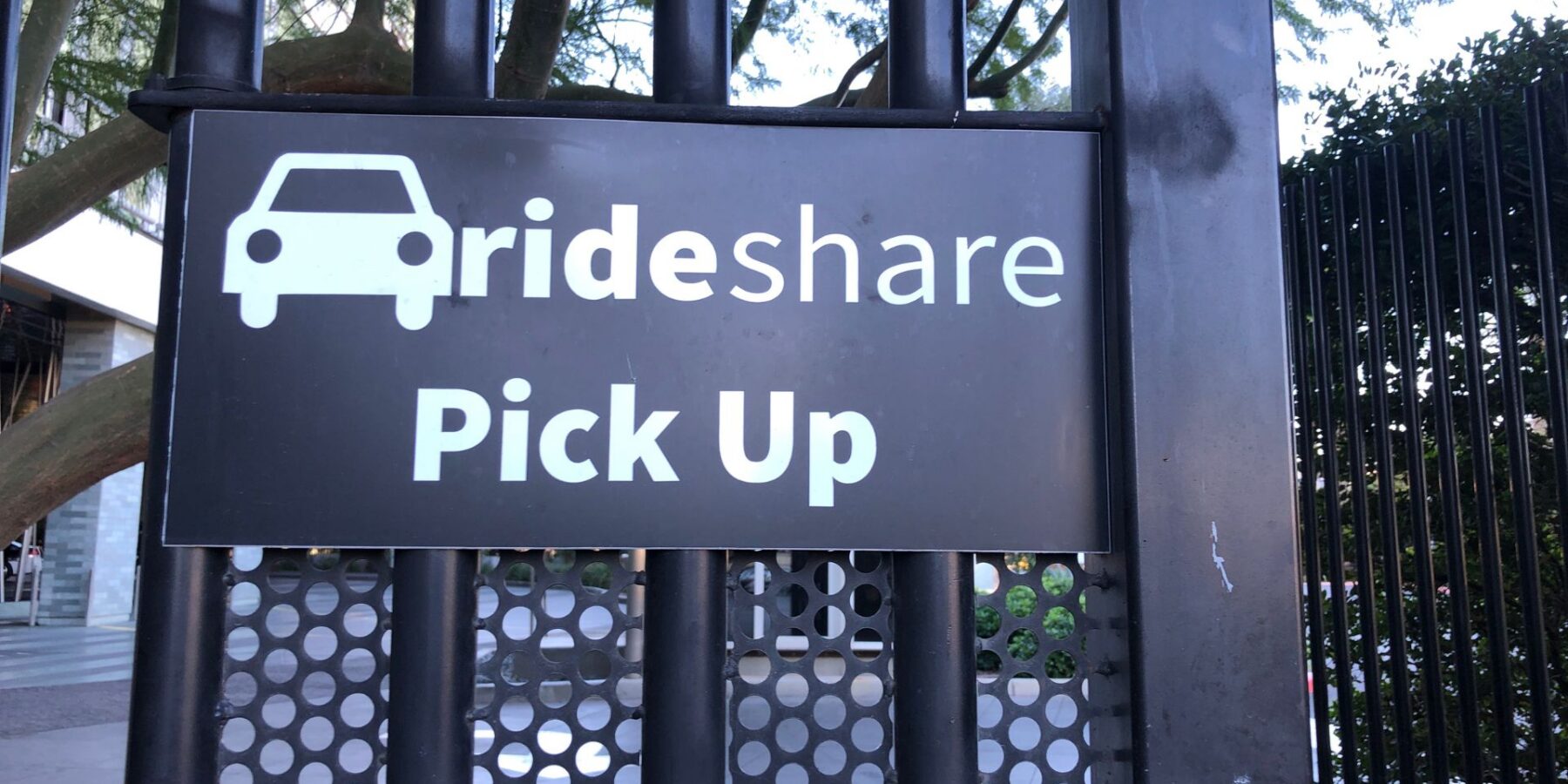
Rideshare Accident Lawyers in Nampa
Rideshare accidents create confusion right away because the ride, the rideshare app, the driver, and the insurance coverage may not line up clearly. One injured person may be trying to figure out who was responsible while another company decides whether the driver was available, matched with a rider, en route, or actively transporting someone. Rideshare accident lawyers in Nampa can sort through those details before the claim gets treated like a normal crash.
Goldberg & Loren reviews rideshare crashes by looking at the driver’s app status, trip records, insurance layers, crash evidence, medical documentation, and every party connected to the ride. That matters when Uber, Lyft, a driver’s personal insurer, or another motorist’s carrier starts pointing responsibility elsewhere, and nobody assumes accountability. Call Goldberg & Loren at (208) 886-1120 for a free consultation after a rideshare accident in Nampa.

How Rideshare Accident Lawyers in Nampa Evaluate What Insurance Policies Apply
Rideshare insurance depends on the driver’s exact activity inside the app at the time of the crash. Coverage can change depending on whether the driver was offline, waiting for a request, traveling to a pickup, or carrying a passenger. Goldberg & Loren reviews that timeline because insurers may try to place the claim under the smallest available policy. That decision can affect how medical bills, lost income, pain, and future treatment are valued. A coverage review needs to happen before an early settlement offer limits the claim.
Rideshare accident lawyers in Nampa evaluate rideshare accident claims by comparing app activity, driver information, crash reports, medical records, insurance letters, and the role of every vehicle involved. These cases may involve the rideshare company’s policy, the driver’s personal insurer, another motorist’s carrier, or several insurers disputing responsibility at the same time. App-based crashes require more than a routine insurance exchange because the ride timeline controls which policy responds. A complete review can reveal coverage that an injured person might never discover alone. Early policy analysis gives the claim a stronger financial foundation.
App Activity Changes the Available Insurance Coverage
App activity gives the claim its first coverage framework. A driver who was logged out presents a different insurance issue than a driver who had accepted a trip or started transporting a passenger. Rideshare accident lawyers in Nampa review trip records, app screenshots, police details, insurer letters, and driver statements to confirm the ride stage. That work matters when an insurer tries to describe a commercial ride as personal driving. The claim becomes stronger when the app timeline is documented before coverage disputes harden.
Offline Driving May Limit Rideshare Coverage
Offline driving usually shifts attention toward the driver’s personal auto policy. That insurer may still dispute coverage if rideshare activity appears unclear or poorly documented. App records, driver statements, and claim letters help separate personal driving from app-based work.
Accepted Trips Can Expand the Policy Review
Accepted trips can bring rideshare company coverage into the claim. A driver traveling toward a passenger may fall under a different insurance layer than an offline driver. That timing detail can affect available compensation for medical bills, lost income, and pain.
Passenger Status Changes the Insurance Analysis
Passenger status can determine which insurance layer receives the claim first. A person injured while waiting for pickup may face different coverage questions than someone already inside the rideshare vehicle. A rideshare accident lawyer in Nampa reviews the trip receipt, app history, pickup timing, crash report, and statements from everyone involved. Insurers may argue over when the ride officially began or ended because those details affect payment responsibility. Passenger status gives the coverage review a more precise direction.
Pickup Timing Needs Exact Documentation
Pickup timing can determine whether the claim involves pre-trip or active-trip coverage. A crash before entry into the vehicle may raise different policy questions than a crash after the passenger gets inside. App receipts, location data, and driver communications can clarify that timing before insurers dispute it.
Active Trips Require Proof Beyond Memory
Active trips need more than a passenger’s memory after a stressful crash. Receipts, screenshots, app records, and payment confirmations can verify that the ride was underway. Those documents give the coverage demand stronger support when insurers question the trip status.
Conflicting Insurers Can Cause the Claim to Get Delayed
Rideshare accident claims can become delayed when more than one insurance company points responsibility elsewhere. The rideshare company, the driver’s personal insurer, and another motorist’s carrier may each argue that a different policy should pay first. Rideshare accident lawyers in Nampa track those positions through written notices, claim numbers, denial letters, reservation letters, and adjuster communications. Without that organization, an injured person can lose time while companies debate coverage instead of addressing treatment costs. A clear communication record keeps the claim moving toward accountability.
Claim Letters Reveal Coverage Disputes Early
Claim letters often show whether an insurer accepts, questions, or denies responsibility. Coverage reservations, document requests, and denial language can reveal the argument before negotiations begin. Reviewing those letters early prevents the insurer’s position from going unanswered.
Competing Policies Need Coordinated Legal Responses
Competing policies can create delays when each insurer waits for another company to move first. One carrier may demand proof while another denies involvement or requests more investigation. Coordinated responses keep medical bills, wage loss, and settlement timing from getting trapped between insurers.
Other Drivers Can Add More Insurance Coverage
A rideshare crash may involve a third-party driver who caused or contributed to the collision. That possibility matters because the claim may include the rideshare policy, the rideshare driver’s coverage, and another motorist’s insurance. A rideshare accident lawyer in Nampa reviews every vehicle, driver statement, crash report, damage pattern, and insurance notice before deciding which claims to pursue. This work prevents the case from being framed too narrowly around only the rideshare vehicle. A full policy review keeps all possible recovery sources in the claim.
Third-Party Fault Changes the Coverage Map
Third-party fault can add another insurer to the claim. Unsafe turns, distraction, speeding, following too closely, or failure to yield may place responsibility on another motorist. Those facts need a full review before any insurer simplifies fault too early.
Complete Policy Review Protects Claim Value
A complete policy review protects claim value when several coverage sources may apply. Each policy can affect medical bills, wage loss, pain, future care, and settlement strategy. Missing one available insurer can reduce the money available for recovery.
How Rideshare Accident Lawyers in Nampa Build the Injury Claim
An injury claim after a rideshare crash needs more than proof that a collision happened. It needs records showing what your body went through, what treatment became necessary, and how the injury changed work, movement, sleep, transportation, and daily responsibilities. Rideshare accident lawyers in Nampa build that claim by connecting medical documentation with the insurance coverage already identified. This matters because insurers may accept that a crash occurred while still disputing the value of the injuries. A strong injury claim makes the physical and financial damage harder to dismiss.
Goldberg & Loren reviews the injury claim from the first medical visit through the expected recovery path. That review may include emergency records, imaging results, therapy notes, prescriptions, specialist referrals, wage records, app trip details, and communication from insurers. Rideshare cases can involve passengers, drivers, pedestrians, or occupants of another vehicle, so the injury story must match the person’s exact role in the crash. The firm organizes those facts before insurers reduce the claim to a generic settlement number. Your recovery deserves documentation that explains the full harm.
Medical Records Show How the Crash Caused Injuries
Medical records give the injury claim its most important foundation after a rideshare crash. Emergency notes, urgent care records, diagnostic imaging, prescriptions, and provider referrals can show how pain developed and what treatment became necessary. Rideshare accident lawyers in Nampa review those records to connect the crash with the injuries being claimed. That connection matters when an insurer argues that symptoms came from something else or were not serious enough for compensation. Medical proof keeps the claim grounded in documented recovery needs.
Treatment Notes Show How Symptoms Changed After the Crash
Treatment notes explain how symptoms developed across multiple appointments after the rideshare crash. Pain levels, mobility limits, headaches, stiffness, and nerve complaints may become clearer over time. Those details help show recovery as an ongoing medical process.
Diagnostic Testing Gives the Injury Claim Stronger Medical Support
Diagnostic testing can reveal injuries that pain descriptions cannot prove alone. Imaging, specialist exams, and physical evaluations give the claim stronger medical support. Those records can challenge arguments that injuries were minor.
Treatment Timing Can Affect Claim Value
Treatment timing often becomes an issue when insurers look for reasons to reduce payment. A gap between the crash and medical care may happen because of shock, appointment delays, transportation problems, childcare needs, or uncertainty about symptoms. Rideshare accident lawyers in Nampa review those circumstances before insurers unfairly frame a delay. This work matters because a real-life obstacle should not become proof against an injured person. Clear timing explanations protect the connection between the crash and treatment.
Care Delays Need Context Before Insurers Create Doubt
Care delays need a practical context before insurers frame them unfairly. Appointment availability, pain progression, transportation problems, and scheduling barriers can explain medical timing. Context keeps ordinary delays from weakening valid claims.
Follow-Up Care Builds a More Reliable Treatment Timeline
Follow-up care shows that recovery continued after the first visit. Therapy appointments, referrals, medication changes, and return visits create useful documentation. Consistent care makes the injury timeline more credible.
Wage Loss Records Show Financial Damage
A rideshare crash can affect income before the injury claim reaches negotiation. Missed shifts, reduced hours, limited mobility, medical appointments, and pain medication can interfere with normal work duties. Rideshare accident lawyers in Nampa review employer notes, pay records, schedules, tax information, and medical restrictions to show how the crash affected earnings. This evidence matters when insurers argue that missed work was unrelated or unnecessary. Wage documentation gives the claim a clearer financial measure.
Work Restrictions Show Why Income Was Interrupted
Work restrictions connect medical problems to financial loss after a crash. Doctor notes and employer records can explain missed shifts, reduced hours, or modified duties. That connection makes wage claims harder to reject.
Missed Earning Opportunities Require Stronger Financial Records
Lost opportunities can include overtime, bonuses, contract work, or missed assignments. These losses require proof beyond a general statement about income. Records give financial damages stronger support during valuation.
How Goldberg & Loren Handles Nampa Rideshare Accident Claims From App Record to Settlement
Goldberg & Loren handles rideshare accident claims by starting with the details that make app-based crashes different from ordinary collisions. A rideshare claim may depend on whether the driver was logged in, waiting for a request, traveling to a pickup, transporting a passenger, or finishing a trip when the crash happened. Those facts can affect insurance coverage, liability arguments, medical payment decisions, and settlement value. Rideshare accident lawyers in Nampa review the trip timeline before insurers use confusion to delay or reduce the claim. App records, crash reports, medical documentation, and insurance letters need to work together before negotiation begins.
A rideshare crash can involve several competing stories at once. The injured person may describe pain, missed work, and medical bills, while multiple insurers debate which policy applies and who caused the collision. Goldberg & Loren organizes the claim around coverage, injury proof, driver conduct, passenger status, and settlement leverage. That process matters because app-based claims can become disorganized when each company focuses only on its own exposure. A complete claim gives the injured person a stronger path toward recovery.
App Records Help Confirm the Rideshare Coverage Timeline
App records can shape the entire rideshare accident claim because coverage may depend on the driver’s activity at the exact moment of the crash. A driver waiting for a request creates different insurance questions than a driver already matched with a passenger. Goldberg & Loren reviews app screenshots, ride receipts, trip confirmations, driver communications, location details, and insurer letters to place the crash within the correct coverage period. That work prevents an insurer from treating a commercial rideshare event like ordinary personal driving. A documented app timeline gives the claim a stronger insurance foundation.
Ride Receipts Can Establish the Trip Stage
Ride receipts can show when the request started, when the driver accepted, and when the passenger entered the vehicle. Those details matter because each stage can affect which insurer should respond. Clear trip documentation limits arguments about whether the ride was active.
Screenshot Evidence Should Be Preserved Quickly
Screenshot evidence can disappear when phones update, apps refresh, or account access changes. Trip maps, driver names, timestamps, and payment confirmations can support the coverage timeline. Early preservation keeps important app details available for review.
Medical Documentation Gives the Rideshare Injury Claim Its Value
Medical documentation turns the injury claim from a general complaint into a record of treatment, limitations, and recovery needs. Emergency notes, imaging results, prescriptions, therapy plans, specialist referrals, and follow-up visits can show how the crash affected the injured person’s body. Rideshare accident lawyers in Nampa review those records alongside the insurance coverage analysis so damages match the policy available. That connection matters when insurers accept coverage but dispute the seriousness of the injury. Medical proof gives valuation a factual basis beyond the first settlement offer.
Treatment Records Explain the Recovery Pattern
Treatment records show how symptoms changed after the rideshare crash. Pain levels, mobility limits, headaches, stiffness, and follow-up recommendations can develop across several appointments. Those details make recovery harder to dismiss as minor.
Future Care Can Affect Settlement Value
Future care can change the value of a rideshare accident claim. Therapy, injections, specialist visits, surgery discussions, or diagnostic testing may create later costs. Those medical needs deserve attention before any settlement closes.
Passenger and Driver Roles Shape the Claim Strategy
Rideshare claims require a clear understanding of the injured person’s role in the crash. A passenger, rideshare driver, pedestrian, cyclist, or occupant of another vehicle may face different claim paths and different insurance questions. Goldberg & Loren reviews where the injured person was, how the ride was connected to the crash, and which insurer has responsibility for that role. This review matters because the same collision can create different claims for different people. A role-specific strategy prevents the case from being handled too broadly.
Passenger Claims Need Trip-Specific Proof
Passenger claims need proof that connects the person to the rideshare trip. Ride receipts, pickup details, app records, and crash reports can confirm that connection. Those records support coverage when insurers dispute trip status.
Non-Passenger Claims Need Separate Analysis
Non-passenger claims require a different coverage review after a rideshare crash. Another driver, pedestrian, or cyclist may need proof showing how the rideshare vehicle caused harm. Their claim should not be forced into the wrong category.
Insurance Communications Reveal Policy Disputes Before Settlement
Insurance communications often show where the claim may become contested. Letters, emails, claim numbers, recorded statement requests, reservation notices, and denial explanations can reveal whether an insurer accepts coverage, questions responsibility, or demands more proof. Goldberg & Loren reviews those communications before settlement discussions turn into coverage delays. This work matters when multiple insurers shift blame or wait for another company to move first. Early review keeps policy disputes from controlling the injured person’s recovery.
Denial Letters Need a Direct Response
Denial letters can reveal the insurer’s exact reason for refusing coverage or payment. The response should address missing documents, disputed app status, fault arguments, or policy language. A focused answer keeps the claim from stalling.
Recorded Statement Requests Require Caution
Recorded statement requests can create risk when the injured person answers too soon. Questions about pain, timing, speed, or ride status may later shape the insurer’s defense. Legal review protects the claim before statements become evidence.
Settlement Preparation Connects Losses to Available Coverage
Settlement preparation should connect every documented loss to the insurance coverage available. Medical bills, future care, wage loss, pain, transportation costs, and daily limitations need to fit within the policy picture created by the rideshare timeline. Goldberg & Loren reviews damages before negotiations so the demand reflects both injury value and coverage reality. That approach matters when one insurer tries to limit payment while another policy remains available. A prepared settlement demand gives the injured person a stronger position.
Demand Packages Need Complete Claim Support
Demand packages should include more than medical totals and basic crash details. Treatment records, wage proof, app documentation, liability evidence, and insurer communications create a stronger settlement presentation. Complete support makes low offers harder to justify.
Policy Limits Influence Negotiation Strategy
Policy limits affect how a rideshare accident claim moves toward settlement. Available coverage must be compared against medical bills, future care, missed income, and pain. That comparison guides negotiation before any offer gets accepted.
Call Goldberg & Loren Today and Get Help From Our Rideshare Accident Lawyers in Nampa
A rideshare crash leaves most people asking the same question. Who is actually responsible for paying for this? The answer can depend on app status, ride timing, insurance layers, driver conduct, and the injuries documented after the collision. Goldberg & Loren can sort through all the evidence and give your claim a clear direction before insurers turn confusion into delay and low settlements.
You should not have to chase app records, argue with multiple carriers, or guess which policy applies while medical bills and missed work create pressure. Our rideshare accident lawyers in Nampa can review the crash details, identify the coverage issues, and build a claim that reflects your actual losses. Call Goldberg & Loren at (208) 886-1120 or visit our contact page for a free consultation today.
Practice Areas
Trust Us With Your Personal Injury Claim
If you or a loved one have been injured, Goldberg & Loren will fight for you every step of the way. We will give our all to secure the compensation you rightfully deserve.



Contact usfor a free consultation.
Phone: (208) 886-1120