Idaho Pedestrian Accident Attorneys
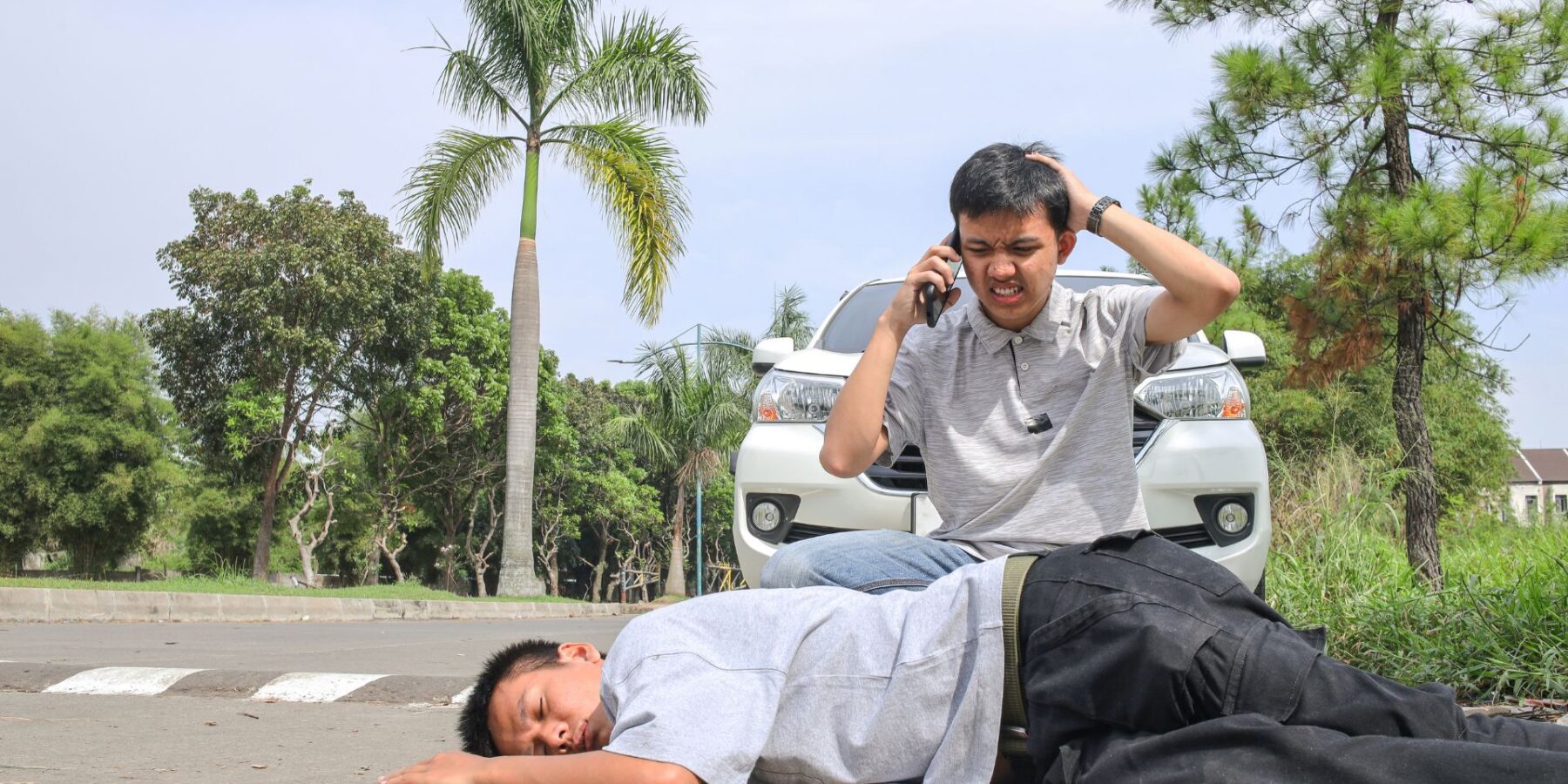
Getting hit while walking can leave you with injuries that affect every part of your day severely before you have any clear answers about fault, insurance, or medical recovery. A pedestrian accident may involve a driver who failed to yield, backed out without looking, turned through a crosswalk, or ignored poor visibility. Idaho pedestrian accident attorneys can help investigate what happened and build a claim that reflects the seriousness of being injured with no physical protection from impact.
Goldberg & Loren represents injured pedestrians who need help dealing with medical bills, missed work, pain, mobility problems, and insurance companies that may try to minimize the crash. These claims often depend on driver conduct, traffic signals, witness statements, vehicle damage, and medical documentation, which makes pedestrian claims difficult to navigate alone. Call Goldberg & Loren today at (208) 886-1120 and learn how we can help you win your pedestrian accident case.

What Happens When a Driver Hits a Pedestrian in Idaho
A pedestrian crash creates immediate danger because the person walking has no vehicle frame, seatbelt, or airbag to absorb the impact. The first questions usually focus on how the driver approached the area, where the pedestrian was walking, what traffic controls applied, and whether the driver had enough time to avoid the collision. Goldberg & Loren review the scene, driver conduct, witness accounts, medical records, and insurance issues before the claim is reduced to a one-sided explanation. These cases need careful attention because even a low-speed impact can cause serious harm. The crash should be examined from the pedestrian’s position.
After impact, the claim may involve medical treatment, missed work, mobility problems, pain, transportation challenges, and questions about long-term recovery. Drivers and insurers may focus on visibility, crossing location, or pedestrian movement to reduce responsibility. Idaho pedestrian accident attorneys can compare those claims with evidence from the roadway, lighting conditions, vehicle damage, traffic signals, and witness statements. A strong claim should explain how the driver’s conduct caused the crash and how the injury changed daily life. Pedestrians deserve a claim built around facts.
The Driver’s Actions Become the First Liability Question
The driver’s behavior before impact can determine how the claim develops. A driver may have failed to yield, turned too quickly, backed out without checking, rolled through a stop, ignored a signal, or approached a crosswalk without proper attention. Idaho pedestrian accident attorneys review whether the driver reacted reasonably to the pedestrian’s presence and the surrounding road conditions. This review matters when the driver claims the pedestrian appeared suddenly or could not be avoided. Liability should begin with what the driver did.
Turning and Yielding Decisions Need Careful Review
Turning and yielding decisions can reveal whether the driver failed to watch for people walking near intersections, driveways, and marked crossings. A driver may focus on other vehicles while overlooking a pedestrian already in the path of travel. Careful review can show whether the driver should have slowed, waited, or stopped.
Crosswalk Details Can Clarify What Happened
Crosswalk details may include signal timing, lane markings, pedestrian position, and the driver’s approach angle. These facts can help determine whether the pedestrian had the right to continue moving. Clear roadway evidence can make fault easier to prove.
Pedestrian Injuries Can Require Immediate Medical Documentation
Pedestrian injuries can involve direct impact from the vehicle, a fall onto pavement, or contact with another object after being thrown or knocked down. These crashes may cause fractures, head injuries, spinal trauma, internal injuries, knee damage, hip injuries, or severe bruising. Lawyers can help connect early treatment records to the collision so insurers cannot easily question injury timing. Medical documentation becomes especially important when pain worsens after the first emergency visit. Treatment records should follow the injury from the beginning.
Impact Trauma May Affect Several Body Areas
Impact trauma can affect the head, back, shoulders, hips, legs, arms, and feet during the same collision. A pedestrian may need imaging, specialist care, therapy, surgery, or mobility support as symptoms develop. A complete medical review can show why the crash caused more than temporary soreness.
Follow-Up Care Can Reveal Delayed Symptoms
Follow-up care can document symptoms that were not obvious immediately after impact. Headaches, nerve pain, stiffness, balance problems, and joint limitations may appear later. Continued treatment helps connect delayed symptoms to the crash.
Insurance Companies May Question Visibility or Fault
Insurance companies may argue that the driver could not see the pedestrian or that the pedestrian should have acted differently. These arguments can appear even when the driver failed to slow, yield, scan the roadway, or respond to traffic conditions. Idaho pedestrian accident attorneys can test visibility claims against lighting, weather, sightlines, traffic controls, vehicle speed, and witness observations. This evidence can prevent the claim from depending only on the driver’s explanation. Visibility disputes should be answered with proof.
Driver Excuses Need Evidence-Based Review
A driver may blame darkness, traffic, parked cars, or pedestrian movement after the crash. Those explanations should be compared with photographs, scene measurements, traffic signals, and witness accounts. An evidence-based review can expose excuses that do not match the roadway.
Lighting and Witness Details Can Challenge Blame
Lighting conditions and witness details can show what the driver should have noticed before impact. Nearby people may remember speed, braking, signal changes, or the pedestrian’s position. These details can challenge unfair blame against the pedestrian.
The Claim Should Account for Life After Impact
A pedestrian accident can change ordinary routines in ways that are not always visible in medical bills alone. Walking, driving, working, sleeping, caring for family, and handling errands may become difficult during recovery. Lawyers help document how injuries affect daily responsibilities, movement, income, and independence. This matters when insurers focus only on early treatment costs instead of the full disruption. The claim should reflect life after impact.
Mobility Problems Can Change Daily Responsibilities
Mobility problems can make stairs, grocery trips, childcare, work duties, and medical appointments harder to manage. A pedestrian may need crutches, braces, rides, home help, or extended therapy after the crash. These limitations can show the practical burden of the injury.
Recovery Needs May Continue Beyond Early Treatment
Recovery needs may continue after the first bills and emergency records are complete. Therapy, follow-up imaging, specialist visits, pain management, and work restrictions can extend the claim timeline. Future care should be considered before settlement decisions are made.

How Pedestrian Accident Evidence Shows Fault
Pedestrian accident evidence can show what happened before impact, not just where someone ended up afterward. A driver may claim the pedestrian appeared suddenly, crossed unexpectedly, or could not be seen in time, but physical proof can test those statements against the scene. Lawyers can review vehicle movement, traffic controls, witness observations, video footage, and medical records to determine whether the driver failed to act safely. Evidence matters because pedestrian claims can become unfair when the driver’s version becomes the only version considered. Fault should be built from facts that can be checked.
A strong pedestrian claim usually depends on putting several pieces of proof together. Vehicle damage may show the point of impact, traffic signals may explain who had the right-of-way, and witnesses may describe whether the driver slowed or continued forward. Idaho pedestrian accident attorneys organize those details so the claim explains how the crash happened and why the driver should be held responsible. This approach can push back when insurers focus on isolated details that do not explain the full collision. Pedestrian accident evidence should tell the whole story.
Vehicle Movement Can Reveal Driver Responsibility
Vehicle movement can show whether the driver reacted safely before hitting the pedestrian. A driver who braked late, turned sharply, failed to slow, or continued through a crossing area may leave evidence in tire marks, vehicle damage, impact location, or final resting position. Idaho pedestrian accident attorneys can compare those details with the driver’s statement and the pedestrian’s account. This review helps determine whether the driver had time to stop or avoid the crash. Driver responsibility becomes clearer when movement evidence matches the scene.
Braking Patterns May Show Late Reaction
Braking patterns can show when the driver recognized the danger and tried to stop. Short skid marks, no visible braking, or impact near a crossing area may suggest the driver reacted too late. Those details can support liability when the driver claims the crash was unavoidable.
Impact Location Can Support the Pedestrian’s Account
Impact location can show where the pedestrian was when the vehicle made contact. Damage to the bumper, hood, windshield, or side panel may help explain the direction of movement. This evidence can support the pedestrian’s account when the driver gives a different version.
Crosswalk and Signal Evidence Can Clarify Right-of-Way
Crosswalk and signal evidence can help show whether the pedestrian had the right to continue moving through the area. These details may include marked lines, pedestrian signals, stop signs, turn arrows, countdown timers, and lane controls. Idaho pedestrian accident attorneys can review how those controls applied to the driver and pedestrian at the time of impact. This matters when a driver claims confusion about who should have yielded. Right-of-way disputes become stronger when traffic controls support the pedestrian’s position.
Traffic Controls Should Match Driver Conduct
Traffic controls can show whether the driver should have stopped, yielded, waited, or slowed before entering the crossing area. A driver’s conduct should match the signals, signs, and markings that governed the location. When it does not, the evidence can support a stronger fault argument.
Signal Timing Can Strengthen Liability Proof
Signal timing can help determine whether the pedestrian crossing phase, vehicle light, or turn signal allowed the movement. Nearby video, witness observations, and traffic control records may help clarify timing. This proof can strengthen liability when each side describes the signal differently.
Witnesses Can Help Challenge Driver Excuses
Witnesses can provide details that do not appear in a basic crash report. Someone nearby may notice the driver’s speed, phone use, turn movement, braking, lane position, or failure to yield before impact. Idaho pedestrian accident lawyers use those observations to test driver excuses against what others saw. Witnesses may also describe the pedestrian’s location, pace, and visibility before the collision. Their perspective can make the claim harder to dismiss.
Nearby Observations May Fill Report Gaps
Police reports may not capture every important detail from the scene. Nearby observations can add information about lighting, traffic flow, driver attention, pedestrian position, and the timing of impact. These details can fill gaps that insurers may otherwise use against the claim.
Early Contact Can Preserve Key Details
Witness memories can fade quickly after a stressful event. Early contact can preserve names, statements, locations, and observations before details become harder to confirm. Preserved witness information can strengthen the fault investigation.
Video and Scene Photos Can Protect the Claim
Video and scene photos can provide objective proof when the driver and pedestrian give different accounts. Footage may come from traffic cameras, nearby businesses, dashcams, doorbell cameras, or rideshare vehicles in the area. Idaho pedestrian accident attorneys can identify possible video sources before recordings are erased or overwritten. Photos can also capture lighting, lane markings, vehicle positions, debris, road conditions, and visibility before the scene changes. Visual evidence can protect the claim from speculation.
Camera Footage May Show the Full Sequence
Camera footage may show how the driver approached, whether the pedestrian was visible, and when the impact occurred. It can also reveal traffic flow, signal timing, and whether the driver slowed before the crash. Video evidence can resolve disputes that written statements leave unclear.
Scene Photos Can Capture Conditions Before They Change
Scene photos can preserve details that disappear after vehicles move and traffic resumes. Lighting, weather, markings, obstructions, debris, and final positions may all matter during fault review. Photographs can keep important conditions from being forgotten.

How Pedestrian Claims Account for Life After Impact
A pedestrian accident can change daily life in ways that do not fit neatly into medical bills or repair estimates. Walking across a room, climbing stairs, sleeping comfortably, getting to appointments, caring for family, or returning to work may become difficult after impact. Idaho pedestrian accident lawyers can help document those changes so the claim reflects more than the first emergency visit. A strong claim should explain how the injury affected movement, independence, income, and daily responsibilities. The recovery story should include what life looks like after the crash.
Pedestrian injuries may develop over time, especially when the impact causes head trauma, fractures, spinal pain, knee damage, hip injuries, or nerve symptoms. Some people need help with transportation, home tasks, mobility devices, therapy, or extended medical care while they recover. Idaho pedestrian accident attorneys organize medical records, work documentation, personal impact details, and future care needs into a fuller damage picture. This kind of claim preparation helps prevent insurers from treating a serious pedestrian injury like a short-term inconvenience. Life after impact deserves careful documentation.
Mobility Limits Can Affect Daily Independence
Mobility problems can make ordinary routines harder after a pedestrian accident. An injured person may struggle with walking, standing, bending, driving, bathing, cooking, shopping, or attending medical appointments. Idaho pedestrian accident attorneys help show how these limitations affect daily life and personal independence. These details matter when the injury changes more than physical comfort. Mobility loss can reshape an entire routine.
Walking and Standing May Become Difficult
Walking and standing can become painful when injuries affect the legs, hips, back, knees, or feet. A pedestrian may need braces, crutches, walkers, rides, or help from family during recovery. Medical records and daily examples can show how the crash limited independence.
Home Responsibilities May Require Help
Home responsibilities can become difficult when pain limits movement, balance, or stamina. Cleaning, cooking, laundry, childcare, and errands may require temporary or ongoing help. These changes can support damages that medical bills alone do not show.
Work and Income Problems Can Follow the Injury
A pedestrian injury can interrupt work when pain, appointments, mobility limits, or doctor restrictions prevent normal job duties. Some workers may miss shifts, reduce hours, use leave time, or avoid tasks that require standing, lifting, walking, or driving. Idaho pedestrian accident lawyers can review wage records, employer notes, schedules, and medical restrictions to connect income loss to the crash. This documentation helps show how the injury affected financial stability. Lost income should reflect the real work disruption.
Job Duties Can Change During Recovery
Job duties may become harder when the injury affects movement, concentration, strength, or endurance. A worker who stands, drives, lifts, carries, or walks throughout the day may face different limits than someone at a desk. Job-specific proof can explain why missed work was necessary.
Future Earning Concerns Need Review
Future earning concerns may arise when pain, permanent restrictions, or ongoing treatment affect long-term work capacity. These concerns should be reviewed before settlement discussions become final. A claim should account for income problems that may continue.
Personal Disruption Can Carry Real Value
Pedestrian accident claims should include the personal disruption caused by pain, fear, inconvenience, and reduced independence. An injured person may avoid walking near traffic, struggle with sleep, miss family activities, or lose confidence during ordinary errands. Idaho pedestrian accident attorneys help describe these changes with specific facts instead of vague statements. This helps insurers understand how the injury affected everyday life. Personal harm should not be treated as an afterthought.
Fear Around Traffic Can Continue
Fear around traffic can continue after a pedestrian is struck by a vehicle. Crosswalks, parking lots, intersections, and turning vehicles may feel dangerous long after physical wounds improve. Those emotional effects can become part of the broader recovery picture.
Daily Routines May Feel Less Secure
Daily routines may feel less secure when pain and anxiety affect movement outside the home. A simple walk, grocery trip, or commute may require planning and caution. These details can show how the crash changed personal freedom.
Future Care Needs Should Be Considered Early
Future care may become necessary when pedestrian injuries do not resolve quickly. Therapy, specialist visits, surgery, pain management, mobility support, or follow-up imaging may be needed after the first treatment phase. Idaho pedestrian accident attorneys can help review medical recommendations before any settlement closes the claim. This matters because future costs may not be recoverable after a final agreement. Long-term recovery needs should be evaluated before decisions are made.
Treatment Plans Can Explain Ongoing Needs
Treatment plans can show whether doctors expect additional care, restrictions, or specialist evaluation. These records help explain why the claim should include more than past expenses. Medical recommendations can support future care demands.
Early Settlement Can Leave Costs Unpaid
Early settlement can create problems when later treatment, work limits, or complications appear. Once the claim resolves, new expenses are usually difficult to add. Careful timing helps protect the pedestrian’s recovery.

How Idaho Pedestrian Accident Attorneys Respond to Blame Shifting
Blame shifting can start quickly after a pedestrian accident, especially when a driver wants the crash to seem unavoidable. The driver may claim the pedestrian crossed too suddenly, wore dark clothing, ignored traffic signals, or stepped outside a marked crossing. Idaho pedestrian accident attorneys can respond by testing those claims against roadway evidence, driver behavior, visibility, vehicle movement, and witness observations. A pedestrian should not lose recovery because an insurer repeats the driver’s excuse without examining the scene. Fault arguments should be proven, not assumed.
Blame shifting also distracts from the driver’s responsibility to watch the road, slow down when conditions require caution, and yield when pedestrians have the right to cross. A driver may focus on what the pedestrian did while ignoring speed, distraction, turning movement, or failure to scan the area. Idaho pedestrian accident lawyers can help redirect the claim toward the conduct that caused the impact. This approach matters when the injured person is already managing pain, medical care, missed income, and uncertainty about recovery. The claim should focus on preventable driver conduct.
Crossing Location Arguments Need Careful Review
Crossing location arguments can become misleading when insurers treat the absence of a marked crosswalk as an automatic pedestrian fault. A crash may involve intersections, parking lots, driveways, shoulders, or areas where the driver still had a duty to pay attention. Idaho pedestrian accident lawyers can examine the road layout, traffic controls, sightlines, and driver approach before accepting any crossing-location argument. These details can show whether the driver had time to see and avoid the pedestrian. Location alone does not decide responsibility.
Road Layout Can Explain Pedestrian Movement
Road layout can show why the pedestrian crossed where they did. Sidewalk gaps, parking lot design, bus stops, blocked crossings, and nearby entrances may explain movement before impact. These facts can make the pedestrian’s actions easier to understand.
Markings Should Not Replace Full Fault Review
Marked lanes and crossings help explain traffic flow, but they do not answer every liability question. Driver speed, attention, visibility, and reaction time still need review. A full fault analysis should consider the entire scene.
Visibility Excuses Should Be Tested Against the Scene
Visibility excuses can sound persuasive until they are compared with lighting, weather, distance, vehicle speed, and the driver’s actual line of sight. A driver may say the pedestrian was impossible to see when the scene shows an open view or enough time to react. Lawyers can review photographs, measurements, witness statements, and nearby camera footage to challenge weak visibility claims. The question is not only whether the driver saw the pedestrian, but whether a careful driver should have seen them. Visibility defenses need real evidence.
Lighting Conditions Can Support or Undermine Driver Claims
Lighting conditions can show whether the area was dark, partially lit, or visible from the driver’s approach. Streetlights, headlights, business lighting, and surrounding traffic may all affect what should have been seen. Careful review can reveal when darkness is being used as an excuse.
Sightlines Can Show What Was Visible
Sightlines can establish whether parked cars, curves, signs, landscaping, or buildings blocked the driver’s view. When the path is clear, a driver’s failure to notice the pedestrian becomes harder to defend. Scene evidence can expose avoidable inattention.
Pedestrian Conduct Should Be Compared With Driver Conduct
Pedestrian conduct should be reviewed fairly, but it should not become the only issue in the claim. Insurers may focus on walking speed, clothing, phone use, or crossing location while ignoring how the driver approached the area. Idaho pedestrian accident attorneys can compare both sides of the event to determine what actually caused the crash. This balanced review can prevent the claim from being reduced to a one-sided attack on the injured pedestrian. Fault should be assigned throughout the whole sequence.
Driver Speed Can Change the Fault Analysis
Driver speed can affect stopping distance, reaction time, and impact severity. A driver traveling too fast for the area may have created danger even if they later blamed the pedestrian. Speed evidence can shift attention back to preventable driver conduct.
Reaction Time Can Reveal Avoidable Impact
Reaction time can show whether the driver had enough opportunity to brake, slow, or steer safely. Late braking or no braking can suggest the driver was not watching carefully. Avoidability evidence can strengthen the pedestrian’s claim.
Insurance Arguments Need a Documented Response
Insurance arguments can reduce claim value when they are not answered with records and evidence. A denial or low offer may rely on selective facts, incomplete reports, or assumptions about how the pedestrian acted. Idaho pedestrian accident attorneys can respond with medical documentation, scene evidence, witness statements, traffic control details, and a clear explanation of driver fault. This documented response helps keep negotiations from being controlled by unsupported blame. Strong claims answer excuses with proof.
Claim Files Should Address Blame Directly
A claim file should identify each blame argument and explain why the evidence does or does not support it. This may include photos, reports, statements, signal information, and medical records. Direct responses make weak insurance arguments harder to repeat.
Evidence Can Keep Negotiations Focused
Evidence can keep settlement discussions centered on what happened instead of what the insurer prefers to argue. Organized proof can challenge unfair fault percentages and incomplete liability conclusions. Negotiations become stronger when blame shifting is answered clearly.

How Goldberg & Loren Builds Pedestrian Claims Around Driver Accountability
Goldberg & Loren builds pedestrian accident claims by keeping attention on the driver’s choices that caused the impact. A pedestrian may be blamed for crossing location, clothing, timing, or visibility, while the driver’s speed, lookout, turn movement, braking, and reaction time receive less attention than they should. Idaho pedestrian accident attorneys can review those details so the claim does not become centered on excuses instead of conduct. Driver accountability requires showing what the driver should have done before the collision happened.
A pedestrian injury claim should explain why the crash was preventable and how the injuries changed the person’s life afterward. Goldberg & Loren can organize scene evidence, witness information, traffic control details, medical records, and financial losses into a claim that answers both liability and damages. Lawyers can also respond when insurers try to reduce the claim through blame shifting or early settlement pressure. The goal is to make the driver’s unsafe conduct clear.
Driver Conduct Stays at the Center of the Claim
Driver conduct should remain the main focus when a pedestrian is struck by a vehicle. The claim may involve speeding, distracted driving, unsafe turning, poor lookout, late braking, or failure to yield near a crossing area. Idaho pedestrian accident attorneys can compare those choices with the roadway setting and the pedestrian’s position before impact. This review helps show why the driver’s actions created the danger.
The Driver’s Approach Can Reveal Fault
The way a driver approached the area can explain whether the crash was avoidable. Speed, lane position, braking, turning angle, and attention all matter during fault review. These details can expose conduct that a brief crash report may not fully explain.
Unsafe Decisions Should Be Documented Clearly
Unsafe decisions need clear support from photographs, witness accounts, video, reports, and vehicle damage. Documentation helps prevent the insurer from softening the driver’s role. A claim becomes stronger when the conduct is easy to understand.
Evidence Is Organized Around Preventable Impact
Pedestrian claims are strongest when the evidence explains how the impact could have been avoided. Goldberg & Loren can review lighting, visibility, traffic controls, vehicle movement, pedestrian location, and witness observations to build a clear timeline. Idaho pedestrian accident lawyers can use those facts to challenge claims that the crash happened too quickly to prevent. Preventability becomes easier to show when each piece of evidence supports the same sequence.
Scene Details Can Show Avoidable Harm
Scene details can show whether the driver had enough time and space to respond. Crosswalk placement, sightlines, turn lanes, parking areas, and signal timing may all affect fault. These facts can show why the driver should have acted differently.
Video Can Confirm the Crash Sequence
Videos may show the driver’s approach, the pedestrian’s position, and the moment the impact occurred. That footage can answer disputes that written statements leave unresolved. Preserved video can become powerful proof of preventable harm.
Traffic Rules Help Frame Driver Responsibility
Pedestrian claims become stronger when the legal review connects driver conduct to the traffic rules that applied at the scene. A driver may have been required to yield, stop before turning, slow near a crossing area, or watch for pedestrians before entering a driveway or parking lot. Idaho pedestrian accident lawyers can use those rules to show why the crash was preventable. Legal context helps keep the claim focused on driver responsibility.
Crossing Rules Can Support the Pedestrian’s Position
Crossing rules can explain why the pedestrian had the right to continue moving through the area. Signals, markings, intersection design, and driver movement can all affect that review. These details can challenge claims that the pedestrian created the danger.
Legal Context Can Strengthen Fault Arguments
Legal context helps explain why the driver’s conduct violated ordinary safety expectations. It can also show why the pedestrian’s movement was reasonable under the circumstances. Clear rule-based analysis can make liability easier to prove.
Injury Documentation Shows the Cost of Unsafe Driving
Driver accountability also requires showing what the crash cost the injured pedestrian. Medical records, therapy notes, imaging results, work restrictions, and daily limitation details can explain the physical and financial effects of the impact. Idaho pedestrian accident attorneys can connect those losses to the driver’s conduct so damages are not treated as separate from liability. The injury record should show the real consequences of unsafe driving.
Medical Proof Connects Impact to Recovery
Medical proof can show diagnoses, treatment needs, pain patterns, and functional limits after the crash. These records help explain why the pedestrian needed care beyond the first visit. Strong documentation makes injury minimization harder for insurers.
Daily Limitations Can Show Real Loss
Daily limitations may include trouble walking, driving, working, sleeping, or managing home responsibilities. These details help explain harm that bills alone cannot show. Personal impact evidence can make damages more complete.
Settlement Pressure Should Not Replace Accountability
Insurance companies may push for a settlement before the pedestrian knows the full medical outcome. Early offers can leave out future care, lost income, lasting pain, and the emotional effect of being struck while walking. Idaho pedestrian accident lawyers can review settlement timing before a final agreement limits recovery. Accountability means the claim should be valued after the harm is understood.
Early Offers May Ignore Driver Responsibility
Early offers may focus on quick closure rather than complete accountability. An insurer may minimize fault, question injuries, or avoid discussing preventable driver conduct. A careful response can keep negotiations focused on responsibility.
Strong Claims Make Low Offers Harder
Strong claims give insurers less room to rely on weak explanations. Organized liability proof and injury documentation can increase pressure during negotiations. Evidence-driven claims make low offers harder to defend.
Call Goldberg & Loren Today to Find Out How We Can Help You Get the Compensation You Deserve
A pedestrian accident can leave you trying to understand medical updates, driver excuses, insurance questions, and the impact of being hurt while walking during your everyday routine. Goldberg & Loren can examine the location, driver movement, available coverage, and injury records before the claim is pushed toward an unfair result. Idaho pedestrian accident attorneys can help protect your position when the driver’s story does not match the evidence and long-term effects. Your recovery deserves answers built from facts, rather than assumptions.
You may be dealing with limited mobility, missed work, family disruption, and fear around the places where you were once comfortable walking. Our team can review how the crash affected your current and future needs before settlement pressure becomes too overwhelming. Call Goldberg & Loren at (208) 886-1120 or visit our contact page for a free consultation today.
Practice Areas
Trust Us With Your Personal Injury Claim
If you or a loved one have been injured, Goldberg & Loren will fight for you every step of the way. We will give our all to secure the compensation you rightfully deserve.




Contact usfor a free consultation.
Phone: (208) 886-1120