
Rideshare Accident Lawyers in Twin Falls
Unlike traditional car accidents, Uber and Lyft crashes often involve overlapping corporate policies, driver status disputes, and commercial coverage investigations that immediately complicate the claim process. Many injured people do not realize how important early documentation becomes until critical evidence disappears. Preserving records and seeking immediate medical treatment can significantly affect the outcome of a personal injury claim. Goldberg & Loren represents injured passengers, rideshare drivers, and accident victims pursuing compensation after serious Uber and Lyft crashes.
Rideshare companies built their business model around convenience and speed. Unfortunately, that same pressure often pushes drivers to divide attention between navigation apps, passenger pickups, traffic conditions, and incoming ride requests at the same time. As a result, many rideshare collisions involve distracted driving, unsafe lane changes, intersection violations, or speeding through congested roads. Goldberg & Loren prepares rideshare accident cases with immediate focus on liability evidence, injury documentation, and insurance strategy. Our firm has represented injury victims since 1994 and has recovered over half a billion dollars in injury-related claims. We approach every rideshare injury case with the expectation that insurers will challenge damages aggressively from the start.
Uber and Lyft accident claims require fast legal action because app records, digital trip data, and surveillance footage may disappear quickly after a collision. Meanwhile, injured victims often continue dealing with delayed symptoms involving spinal injuries, traumatic brain injuries, and chronic pain. Goldberg & Loren helps clients pursue compensation for medical expenses, lost income, rehabilitation costs, and long-term suffering caused by negligent rideshare drivers. Call (208) 886-1120 now to speak with Goldberg & Loren about your Twin Falls rideshare accident case during a free consultation.
How Rideshare Accident Lawyers in Twin Falls Build Injury Claims
Rideshare accident cases require immediate investigation because critical evidence can disappear within days of a collision. Uber and Lyft claims also involve multiple insurance carriers, app activity records, commercial coverage disputes, and detailed liability questions that do not exist in many ordinary car accident claims. Consequently, injured passengers and drivers often struggle to understand which insurance company should pay for medical expenses, lost wages, vehicle damage, and pain-related losses. Goldberg & Loren builds rideshare injury claims with a strong focus on preserving evidence early, documenting injuries carefully, and preventing insurance adjusters from controlling the direction of the case.
Twin Falls continues seeing more rideshare traffic around hotels, restaurants, retail centers, event venues, and heavily traveled commuter roads. As rideshare use expands, more injury victims now face complicated insurance disputes involving distracted driving, unsafe passenger pickups, speeding, and rideshare driver fatigue. Goldberg & Loren represents passengers, pedestrians, motorists, and rideshare drivers injured during Uber and Lyft crashes throughout Twin Falls and surrounding Idaho communities. The firm also investigates whether rideshare companies, third-party drivers, or additional insurers contributed to the collision.
Many rideshare crashes involve hidden layers of evidence that ordinary drivers never consider after an accident. Trip logs, GPS timestamps, app notifications, ride acceptance records, and cellphone activity frequently become important factors during settlement negotiations. Insurance carriers understand how valuable this information can become. Therefore, they often move quickly to limit access to those records before injured victims fully understand the strength of their claims.

Rideshare Accident Evidence Often Changes Within Days
Evidence in rideshare injury claims evolves quickly after a collision because many digital systems automatically update or overwrite information. Surveillance systems record over footage, rideshare apps refresh activity logs, and witnesses become harder to locate as time passes. Goldberg & Loren investigates rideshare collisions aggressively because delayed action often weakens the ability to prove negligence clearly.
Twin Falls rideshare crashes frequently occur near busy intersections, shopping districts, hotels, and high traffic corridors where drivers constantly monitor navigation apps and incoming ride requests. Those distractions often create dangerous driving behavior that contributes directly to rear-end crashes, intersection collisions, and unsafe lane changes. Consequently, preserving digital evidence immediately after the collision can significantly strengthen an injury claim.
Uber And Lyft App Activity Impacts Insurance Coverage Substantially
Uber and Lyft apply different insurance coverage levels depending on the driver’s app status during the collision. Drivers waiting for ride requests receive different coverage than drivers transporting active passengers. As a result, rideshare insurers often spend significant time disputing whether the driver had accepted a trip before the impact occurred.
Goldberg & Loren reviews rideshare timestamps, app records, passenger receipts, GPS tracking information, and electronic communications to determine how coverage applies. These records frequently become central pieces of evidence during settlement negotiations because commercial rideshare policies may provide substantially larger compensation than personal auto insurance.
Insurance Companies Often Dispute Driver Status
Insurance carriers sometimes argue that the rideshare driver had not officially entered an active trip period during the crash. That argument allows insurers to reduce available coverage dramatically. Goldberg & Loren investigates every timeline detail carefully because even minor digital records may expose inaccurate insurance defenses.
Many injured victims do not realize how aggressively insurers analyze app activity after a rideshare collision. Adjusters often request statements immediately while injured people remain focused on medical treatment and recovery. Early investigation helps prevent insurers from shaping the facts before all evidence becomes available.
Passenger Trip Receipts Strengthen Injury Claims
Electronic ride receipts often confirm pickup times, trip routes, and ride activity status. These details help establish whether Uber or Lyft commercial coverage applied during the collision. Goldberg & Loren preserves this information quickly because rideshare account activity may become more difficult to retrieve later.
Passengers should also save screenshots, payment confirmations, and app notifications immediately after the crash. Small digital details sometimes become critical evidence when insurance carriers dispute liability or coverage.
GPS Records Reveal Driver Conduct Before Impact
GPS tracking data frequently shows sudden braking, speeding patterns, abrupt turns, or unusual driving behavior before the collision occurred. This information may support claims involving distracted driving, reckless operation, or unsafe passenger pickup activity.
Goldberg & Loren examines driving patterns alongside witness statements and crash reports to build a clear timeline of the collision. Combining multiple evidence sources often creates stronger negotiating leverage during settlement discussions.
Navigation Distractions Increase Crash Risks
Many rideshare drivers divide attention between traffic conditions, navigation apps, incoming ride requests, and passenger communications simultaneously. That multitasking increases reaction delays and reduces roadway awareness during congested traffic situations.
Twin Falls roads near shopping centers and major intersections often become particularly dangerous during evening traffic periods when rideshare demand increases sharply. Drivers rushing toward pickups may take risks that place passengers and surrounding motorists in danger.
Medical Documentation Shapes Rideshare Injury Cases
Medical documentation remains one of the most important parts of any rideshare accident claim because insurance companies closely analyze treatment records when evaluating compensation. Emergency room visits, imaging studies, physician notes, rehabilitation records, and specialist evaluations all help demonstrate the true impact of the injuries.
Many rideshare accident victims initially believe soreness and headaches will disappear naturally after the collision. However, spinal trauma, nerve injuries, traumatic brain injuries, and soft tissue damage often worsen during the days following the accident. Goldberg & Loren encourages injured clients to seek immediate medical attention because delayed treatment frequently creates avoidable insurance disputes.
Delayed Symptoms Commonly Follow Uber And Lyft Collisions
Adrenaline frequently masks pain immediately after a rideshare crash. Injured passengers sometimes leave the scene believing they escaped serious harm, only to experience severe pain several hours later. Neck stiffness, migraines, dizziness, back pain, and numbness commonly appear after the initial shock fades.
Insurance carriers often attempt to use treatment delays against injury victims during settlement negotiations. Goldberg & Loren works to connect medical evidence directly to the collision before insurers attempt to minimize the injuries or blame unrelated conditions.
Concussions And Brain Injuries Often Go Undetected
Many traumatic brain injuries do not produce immediate symptoms visible at the accident scene. Instead, victims may later experience concentration problems, confusion, headaches, light sensitivity, memory issues, or emotional changes.
Goldberg & Loren reviews neurological evaluations, imaging studies, and physician findings carefully when rideshare collisions involve head trauma. Brain injuries often require extensive treatment and significantly affect daily activities, employment, and financial stability.
Soft Tissue Injuries Can Create Lasting Pain
Soft tissue injuries frequently receive less attention than broken bones or visible trauma. However, ligament damage, muscle tears, and spinal strain often create persistent pain that interferes with sleep, mobility, and employment responsibilities.
Insurance adjusters sometimes attempt to dismiss these injuries because imaging studies may not always capture the full extent of the damage immediately. Consistent medical treatment and detailed physician documentation often become essential in these cases.
Consistent Medical Care Strengthens Compensation Claims
Insurance companies closely examine treatment gaps after rideshare accidents. Missed appointments or inconsistent care often become arguments that the injuries resolved quickly or were never serious.
Goldberg & Loren organizes medical records carefully to show how the injuries affected daily life, employment responsibilities, mobility, and financial health. Strong documentation often creates more pressure during settlement negotiations.
Rehabilitation Records Support Financial Recovery
Physical therapy records, pain management treatment, rehabilitation evaluations, and specialist consultations frequently demonstrate how much recovery work remains necessary after the collision. These records also help explain ongoing limitations involving movement, lifting, concentration, and physical endurance.
Rideshare accident injuries often affect more than hospital bills alone. Many victims lose income, struggle with routine activities, and face continuing treatment expenses long after the crash occurs.
Insurance Companies Challenge Twin Falls Rideshare Injury Claims Aggressively
Uber and Lyft insurers rarely approach claims intending to pay full value immediately. Instead, adjusters frequently look for opportunities to reduce compensation through liability disputes, treatment challenges, or policy interpretation arguments. Goldberg & Loren prepares rideshare accident claims expecting aggressive insurance tactics from the beginning.
Twin Falls rideshare accident lawyers must understand both Idaho injury law and the insurance structures used by transportation network companies. Commercial policies often involve complicated coverage rules that confuse injured victims attempting to recover compensation on their own.
Comparative Negligence Arguments Reduce Claim Value
Insurance carriers frequently attempt to assign partial blame to injured drivers, passengers, or pedestrians after rideshare collisions. Even small percentages of fault may reduce settlement value under Idaho comparative negligence rules.
Goldberg & Loren investigates roadway conditions, witness accounts, traffic patterns, digital records, and crash scene evidence carefully to challenge unfair fault allegations. Many rideshare collisions involve disputed lane changes, intersection turns, and distracted driving accusations that require detailed investigation.
Intersection Collisions Create Complex Liability Questions
Twin Falls rideshare crashes frequently occur near intersections where multiple drivers attempt sudden turns, quick merges, or aggressive lane movements. These collisions often involve competing witness statements and disputed right-of-way claims.
Goldberg & Loren reconstructs intersection crashes using vehicle damage analysis, roadway evidence, surveillance footage, and driver timelines to determine how the collision occurred.
Unsafe Passenger Pickups Increase Accident Risks
Many rideshare drivers stop abruptly near curbs, parking lot entrances, hotels, and restaurants while attempting quick passenger pickups. These sudden stops often contribute directly to rear-end collisions and traffic disruptions.
Drivers focused on locating passengers may also fail to monitor surrounding traffic conditions carefully. Consequently, rideshare pickup activity often becomes an important factor in Twin Falls accident investigations.
Early Settlement Offers Rarely Reflect Full Damages
Insurance companies sometimes contact injured rideshare accident victims within days of the crash, offering fast settlements before doctors fully understand the injuries. These offers may appear helpful initially, especially when medical bills and missed income create financial pressure quickly.
Goldberg & Loren helps injury victims evaluate settlement offers carefully before signing agreements that may permanently limit future compensation. Many rideshare injuries continue affecting physical health and financial stability long after the initial treatment period ends.
Future Medical Costs Often Exceed Early Estimates
Spinal injuries, traumatic brain injuries, nerve damage, and orthopedic trauma frequently require continuing treatment beyond the first several months after the collision. Surgery, rehabilitation, injections, specialist care, and prescription medication may increase overall damage substantially.
Insurance carriers rarely include these future costs during early settlement negotiations. Thorough case preparation helps ensure that injury victims pursue compensation reflecting the full impact of the rideshare collision.
How Much Is a Twin Falls Uber Or Lyft Accident Case Worth
Every rideshare accident case carries a different financial value because no two crashes create identical injuries, insurance disputes, or recovery timelines. Some Uber and Lyft accident victims recover compensation for temporary injuries that heal within months, while others face spinal trauma, traumatic brain injuries, permanent mobility limitations, and continuing medical treatment that affects daily life for years. Goldberg & Loren evaluates rideshare accident claims by examining the full impact of the collision instead of focusing only on the first emergency room bill or initial insurance offer.
Insurance companies often attempt to place a value on rideshare injury claims before doctors fully understand the severity of the injuries. That strategy benefits insurers because many serious conditions continue developing after the first few weeks following the collision. Neck injuries, nerve damage, back trauma, and concussion symptoms frequently become worse as swelling increases and physical activity resumes. Goldberg & Loren works to calculate both current losses and future financial consequences when preparing Uber and Lyft accident claims in Twin Falls.
Rideshare accident settlements also depend heavily on liability evidence and available insurance coverage. A crash involving an active Uber passenger may trigger substantial commercial insurance coverage, while disputes over app status may complicate recovery efforts significantly. Consequently, early investigation and evidence preservation often influence the overall value of the claim from the beginning.
Medical Expenses Often Represent Only Part Of The Claim
Many injured rideshare passengers initially believe their case value depends entirely on hospital bills and emergency treatment costs. However, serious Uber and Lyft accident claims often include far more than immediate medical expenses alone. Ongoing rehabilitation, specialist treatment, pain management care, lost income, and future treatment costs may increase damages substantially over time.
Goldberg & Loren reviews every category of financial loss carefully when evaluating Twin Falls rideshare injury claims. Insurance carriers frequently focus narrowly on short-term treatment expenses because they want to reduce total payout exposure early in the process. Thorough claim preparation helps reveal the broader impact of the collision.
Emergency Treatment Costs Increase Quickly After Rideshare Crashes
Ambulance transportation, trauma evaluations, imaging studies, and emergency room treatment frequently create significant financial pressure immediately after a serious rideshare collision. Even moderate injuries may require CT scans, MRI testing, orthopedic evaluations, neurological assessments, and prescription medication during the first several weeks after the crash.
Many Uber and Lyft accident victims also require follow-up appointments after leaving the hospital because symptoms continue developing after the initial evaluation. Goldberg & Loren works to include every documented treatment expense when calculating damages related to the collision.
Surgical Procedures Often Increase Settlement Value
Serious rideshare accident injuries sometimes require surgery involving the spine, shoulders, knees, hips, or fractured bones. Surgical procedures typically increase claim value because they involve substantial medical expenses, extended recovery periods, and continuing physical limitations.
Insurance companies often dispute whether surgery became necessary because of the collision. Consequently, physician opinions, imaging studies, and specialist evaluations frequently become important evidence during settlement negotiations.
Rehabilitation Costs Continue Long After Hospital Discharge
Many rideshare accident victims continue attending physical therapy, occupational therapy, pain management treatment, or rehabilitation programs for months after the crash. These appointments often interfere with employment schedules, family responsibilities, and normal daily activities.
Goldberg & Loren calculates rehabilitation costs carefully because continuing treatment often represents a substantial portion of the overall financial damages in serious injury claims.
Prescription Medication Expenses Add Up Over Time
Pain medication, anti-inflammatory prescriptions, muscle relaxers, nerve treatment medication, and migraine management prescriptions frequently become necessary after Uber and Lyft collisions involving severe injuries. These costs may continue for extended periods depending on the severity of the condition.
Prescription expenses also help demonstrate the seriousness of the injuries because ongoing medication needs often reflect persistent physical pain and treatment requirements.
Medical Equipment And Mobility Devices Affect Damages
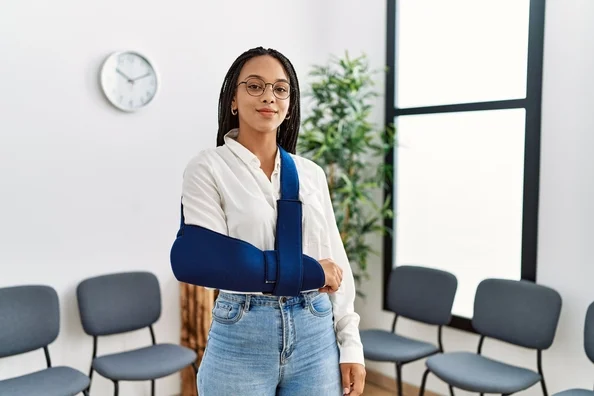
Some rideshare accident injuries require braces, mobility aids, orthopedic supports, wheelchairs, walkers, or specialized home equipment during recovery. These expenses may appear minor individually, yet they often become important factors when calculating total damages.
Medical equipment also demonstrates how the injuries affected mobility, independence, and routine physical activity after the collision.
Lost Income Creates Serious Financial Pressure
Rideshare accident injuries frequently prevent victims from returning to work immediately after the collision. Some injuries restrict lifting, standing, concentration, driving, or repetitive movement for extended periods. As a result, many injured people face both medical expenses and reduced household income at the same time.
Goldberg & Loren reviews employment records, physician restrictions, and lost earning documentation carefully when preparing rideshare accident claims. Lost income damages often become substantial when injuries interrupt employment for weeks or months.
Missed Work Days Affect Financial Stability
Even moderate rideshare accident injuries may force victims to miss shifts, reduce work hours, or attend frequent medical appointments during recovery. Lost paychecks often create immediate stress involving rent, mortgage payments, utilities, childcare expenses, and household bills.
Insurance companies sometimes minimize lost income damages when victims attempt to return to work too early. Goldberg & Loren works to connect physician restrictions directly to missed employment time and financial losses.
Self-Employed Workers Face Additional Challenges
Self-employed rideshare accident victims often struggle to prove income losses because their earnings may fluctuate monthly. Contractors, business owners, freelancers, and commission-based workers frequently require additional documentation to demonstrate financial damages clearly.
Tax records, invoices, client contracts, scheduling records, and business revenue history often help establish lost earning capacity after the collision.
Future Earnings May Decline After Severe Injuries
Some rideshare accident injuries permanently affect physical ability, stamina, mobility, concentration, or career opportunities. These limitations may reduce future earning potential significantly, depending on the victim’s profession and medical prognosis.
Goldberg & Loren considers future earning losses carefully when catastrophic injuries affect long-term employment possibilities.
Workplace Benefits Also Carry Financial Value
Many injured rideshare accident victims lose more than their hourly wages during recovery. Missed bonuses, retirement contributions, paid leave benefits, healthcare coverage, and overtime opportunities may also increase financial damages.
These additional losses often receive less attention during early insurance negotiations. However, they may substantially affect the total value of the injury claim.
Career Interruptions Affect Professional Advancement
Serious injuries sometimes delay promotions, career advancement opportunities, licensing requirements, or professional certifications. These interruptions may affect future financial growth well beyond the first few months after the collision.
Goldberg & Loren reviews how severe injuries disrupted career progression when evaluating larger rideshare accident claims involving permanent limitations.
Pain And Suffering Damages Often Increase Claim Value
Physical pain and emotional suffering frequently become major components of serious Uber and Lyft accident claims. Severe injuries may affect sleep quality, physical activity, family relationships, emotional health, and overall enjoyment of daily life. Consequently, pain-related damages often represent a significant portion of compensation in catastrophic injury cases.
Insurance companies often attempt minimizing pain and suffering because these damages do not carry straightforward billing statements like medical expenses. Goldberg & Loren uses medical records, physician opinions, treatment history, and personal impact evidence to demonstrate how the injuries changed the victim’s life.
Chronic Pain Frequently Follows Rideshare Collisions
Spinal injuries, nerve trauma, joint damage, and traumatic brain injuries may create continuing pain long after visible injuries begin healing. Many rideshare accident victims experience difficulty sleeping, sitting comfortably, driving, exercising, or completing routine activities during recovery.
Persistent pain also affects emotional health because constant discomfort often increases stress, frustration, anxiety, and mental exhaustion.
Emotional Trauma Impacts Daily Activities
Many Uber and Lyft accident victims experience anxiety while riding in vehicles after the collision. Others develop panic symptoms, driving fear, emotional distress, or sleep disruption connected to the crash experience.
Psychological symptoms may become particularly severe after catastrophic collisions involving serious injuries or fatalities. Emotional damages frequently become important factors in larger rideshare accident claims.
Family Relationships Often Change After Serious Injuries
Severe injuries may affect parenting responsibilities, household duties, social activity, intimacy, and emotional interaction within the family. These disruptions often create additional emotional strain during recovery.
Goldberg & Loren evaluates how catastrophic injuries affected family relationships and daily routines when preparing significant injury claims.
Permanent Disabilities Increase Compensation Demands
Permanent mobility limitations, paralysis, traumatic brain injuries, and disabling orthopedic injuries often increase claim value substantially because the effects continue indefinitely. These cases frequently require future medical care, home accommodations, and continuing rehabilitation support.
Insurance carriers aggressively defend high-value injury claims involving permanent disabilities. Thorough evidence preparation often becomes essential in these complex rideshare accident cases.
Visible Scarring And Disfigurement Affect Recovery in Twin Falls
Facial injuries, surgical scarring, burns, and visible physical changes often create emotional and psychological consequences beyond the physical injuries themselves. These damages may affect confidence, employment opportunities, and personal relationships.
Goldberg & Loren considers the full physical and emotional impact of visible injuries when evaluating serious Uber and Lyft accident claims in Twin Falls.
Call Award-Winning Rideshare Accident Lawyers in Twin Falls Today – Free Consultations
Since 1994, Goldberg & Loren has represented injury victims in complex accident cases involving distracted driving, commercial transportation claims, catastrophic injuries, and wrongful death lawsuits. Every rideshare accident case receives detailed attention focused on liability evidence, medical documentation, and aggressive claim preparation from the beginning. Insurance companies often move quickly after Uber and Lyft collisions, yet strong evidence and immediate case development can create significant pressure during settlement negotiations.
If you suffered injuries during an Uber or Lyft accident in Twin Falls, do not wait for insurance companies to decide what your case deserves. Goldberg & Loren is prepared to investigate the crash, protect important evidence, and pursue the compensation you need to move forward. Call (208) 886-1120 today for a free consultation with Twin Falls rideshare accident lawyers who are ready to protect your claim.
Practice Areas
Trust Us With Your Personal Injury Claim
If you or a loved one have been injured, Goldberg & Loren will fight for you every step of the way. We will give our all to secure the compensation you rightfully deserve.




Contact usfor a free consultation.
Phone: (208) 886-1120