
Semi-Truck Accident Lawyers in Boise
Semi-trucks move through Boise with enough size and weight to turn one unsafe decision into a life-changing collision. A crash may happen because a driver misjudged traffic, a route was rushed, or a company allowed a truck onto the road before safety issues were addressed. Semi-truck accident lawyers in Boise can investigate those details and build a claim that shows why the collision happened, who may be responsible, and how the injuries changed your life.
Goldberg & Loren helps injured people take action after serious semi-truck crashes involving freight carriers, local routes, highway traffic, loading problems, and commercial vehicle failures. These claims need focused legal work because the strongest proof may come from inspection records, truck data, route communications, cargo information, and medical documentation that explains the full harm caused by the crash. Call Goldberg & Loren at (208) 886-1120 today and learn how we can get you the compensation that you deserve.
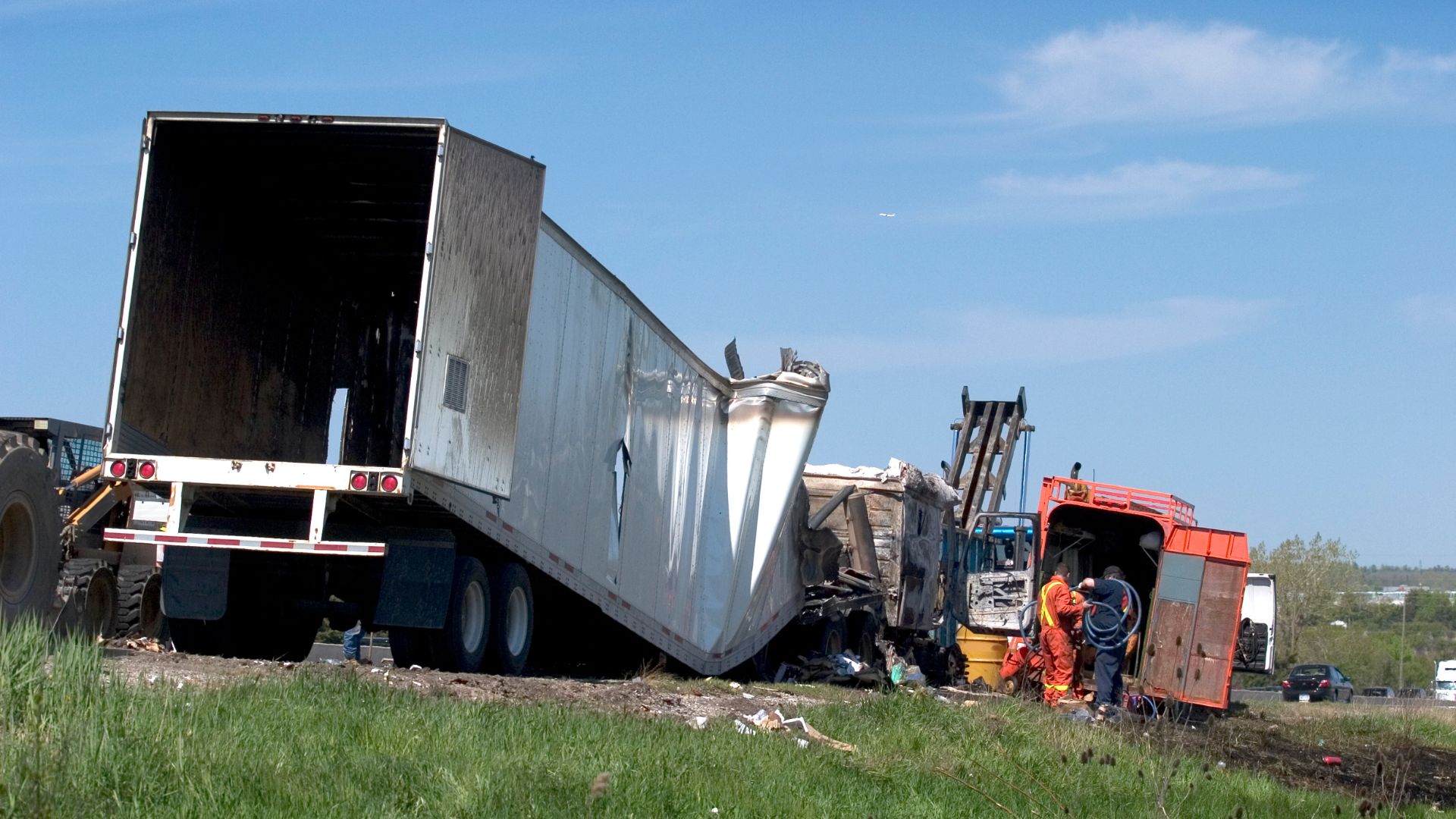
Common Causes of Semi-Truck Accidents in Boise
Semi-truck accidents in Boise often begin with decisions made before the truck reaches the point of impact. A driver may enter traffic with too little rest, a trailer may be loaded poorly, a brake issue may go unresolved, or a company may push a schedule that leaves little room for safe judgment. Goldberg & Loren examines these causes through driver records, maintenance documents, cargo information, roadway evidence, and witness accounts. The cause of the crash matters because it can reveal whether the driver, carrier, mechanic, loader, or another business played a role. A strong claim should identify the unsafe decision that started the chain of harm.
Semi-trucks require more space, attention, and control than ordinary vehicles, especially near Boise intersections, highway ramps, commercial routes, and areas with changing traffic speeds. When a truck driver or company ignores those risks, the consequences can be severe for people in smaller vehicles. Goldberg & Loren reviews semi-truck crashes by looking beyond the first explanation and focusing on the conduct, records, and safety failures behind the collision. This deeper review helps prevent the crash from being treated like a simple traffic mistake. Serious truck accidents usually have more than one contributing factor.
Driver Fatigue During Boise Truck Routes
Driver fatigue can affect judgment, reaction time, lane control, and braking decisions during a semi-truck route. A tired driver may drift, follow too closely, miss slowing traffic, or fail to respond quickly near ramps, signals, and congestion. Semi-truck accident attorneys in Boise can review driver logs, GPS data, fuel records, delivery timing, and rest information to determine whether fatigue contributed to the crash. Fatigue evidence can be especially important when the truck driver claims the collision happened without warning. Exhaustion can make a preventable hazard impossible to correct in time.
Long Driving Hours Can Reduce Reaction Time
Long driving hours can make a driver slower to notice brake lights, merging vehicles, pedestrians, or traffic backups. Even a short delay can become dangerous when a semi-truck needs extra distance to stop. Work-hour records help show whether the driver was too fatigued to operate safely.
Log Records Can Reveal Schedule Problems
Log records can show rest breaks, duty status, drive time, and route timing before the crash. Gaps or inconsistencies may raise questions about whether the driver followed safety rules. These records can help connect fatigue concerns to the collision.
Unsafe Lane Changes and Wide Turns
Semi-trucks need more room to change lanes, turn, merge, and move through tight traffic areas. A driver who fails to check blind spots, swings too wide, cuts across lanes, or merges without enough space can trap smaller vehicles in dangerous positions. Semi-truck accident attorneys in Boise can review vehicle placement, damage patterns, mirror visibility, turn paths, and witness observations to determine whether the maneuver was unsafe. These crashes can happen quickly, but the physical evidence may show where the truck moved and why another driver could not avoid impact. Large truck movement must be handled with care.
Blind Spots Can Hide Nearby Vehicles
Semi-truck blind spots can make nearby cars, motorcycles, bicycles, or pedestrians harder to see when the driver fails to check carefully. Blind spot risk does not excuse a driver from making a safe lane change or turn. Evidence from damage location and vehicle position can show whether the truck entered occupied space.
Turn Paths Can Explain the Collision
Turn paths can show whether the truck crossed into another lane, crowded a curb, or moved into a vehicle already beside it. Photos, markings, and witness accounts can help reconstruct that movement. A careful turn review clarifies the fault when accounts conflict.
Poor Maintenance and Mechanical Failure
Poor maintenance can turn a semi-truck into a serious danger on Boise roads. Brake wear, tire problems, steering defects, lighting failures, coupling issues, and ignored inspection warnings can all affect whether the truck can be controlled safely. Semi-truck accident lawyers in Boise can examine repair files, inspection reports, maintenance schedules, defect notices, and post-crash findings to determine whether a mechanical issue contributed to the collision. A company that keeps an unsafe truck in service may share responsibility for the harm that follows. Maintenance history can reveal preventable risk.
Brake Problems Can Increase Stopping Distance
Brake problems prevent a semi-truck from slowing down in time when traffic changes suddenly. Worn brakes, skipped service, or unresolved defects may increase both stopping distance and impact force. Repair records show whether the braking system needed attention before the crash.
Inspection Reports Can Show Missed Warnings
Inspection reports may reveal defects that were documented but not repaired before the truck returned to the road. Those warnings become important proof when a mechanical problem appears connected to the crash. Missed repairs can support a stronger liability claim.
Overloaded or Poorly Secured Cargo
Cargo problems make a semi-truck harder to stop, steer, or keep stable during travel. Overloaded trailers, uneven weight distribution, loose freight, or weak securement increase rollover risk, braking difficulty, lane drift, and loss of control. Semi-truck accident lawyers in Boise review load records, weight tickets, bills of lading, cargo photos, and shipping documents when cargo handling may have contributed to the crash. A loading mistake may place responsibility on more than the driver alone. Cargo evidence reveals dangers created before the truck entered Boise traffic.
Weight Distribution Can Affect Truck Stability
Weight distribution can change how a trailer responds during turns, braking, and sudden traffic changes. Uneven loading may cause sway, pulling, jackknife risk, or rollover danger. Load documents can help show whether cargo placement made the truck unsafe.
Securement Records Can Identify Loading Errors
Securement records show how freight was tied down, blocked, braced, or loaded before departure. If cargo shifted during travel, those records may reveal whether safe loading practices were ignored. Loading errors can connect a business decision to the crash.
Navigating the Complexities of Idaho Commercial Trucking Liability
Commercial trucking liability starts with a different question than ordinary crash liability. Instead of asking only what the driver did wrong, the claim has to examine who placed that driver, truck, trailer, cargo, and schedule into Boise traffic. A semi-truck collision can trace back to hiring decisions, freight demands, inspection failures, route pressure, maintenance shortcuts, or loading errors. Those business choices often sit behind documents that injured people cannot access without legal pressure. Semi-truck accident lawyers in Boise investigate the commercial structure behind the crash so responsibility does not stop at the easiest explanation. A serious truck claim needs a liability theory built from the full operation.
Goldberg & Loren looks at the relationships between the carrier, driver, broker, shipper, loader, repair vendor, trailer owner, and insurer. Each one may hold a different piece of the story, including route messages, contracts, inspection forms, repair invoices, driver files, cargo records, and insurance materials. The police report usually identifies the collision, but it rarely explains the business decisions that made the collision possible. Commercial defendants often protect themselves by narrowing the discussion to the driver’s final maneuver. A stronger claim follows the evidence backward until the unsafe decision becomes visible. Liability should reflect every party that helped put a dangerous truck on the road.
Carrier Decisions Can Shape the Entire Crash
A trucking carrier controls many conditions that affect safety before a semi-truck ever reaches Boise streets or highways. The carrier chooses drivers, assigns routes, sets delivery expectations, monitors compliance, schedules inspections, and decides when equipment remains in service. A crash involving fatigue, poor training, unsafe speed, or missed maintenance may point directly toward company-level decisions rather than one isolated driving error. Semi-truck accident attorneys in Boise review carrier records to determine how those choices affected the collision. Company responsibility becomes harder to avoid when internal records reveal preventable risk.
Dispatch Pressure Can Influence Unsafe Driving
Dispatch pressure can push drivers toward rushed decisions when delivery timing becomes more important than road safety. Route messages, delivery windows, and driver communications can show whether the schedule left enough room for traffic, rest, and weather conditions. These records help explain why the truck was being operated the way it was before the impact.
Driver Files Can Reveal Warning Signs
Driver files can include qualification records, prior safety issues, training history, and company evaluations. Those materials can show whether the carrier knew about concerns before assigning the driver. A weak hiring or supervision record can strengthen the liability claim.
Cargo Handling Can Create Hidden Danger
Cargo problems can turn a normal route into an unstable and dangerous trip. A trailer loaded with uneven weight, unsecured freight, excessive cargo, or shifting materials can become harder to brake, steer, and keep under control. The person injured in the crash may never see the warehouse decisions that affected the truck’s movement. Bills of lading, loading diagrams, weight tickets, seal records, and shipping instructions can expose mistakes that happened before the driver entered Boise traffic. Cargo liability matters because the danger may begin at the loading dock.
Weight Distribution Affects Braking and Stability
Weight distribution affects how a semi-truck responds during lane changes, turns, downhill travel, and sudden stops. An uneven load can increase trailer sway, rollover risk, and stopping distance during traffic changes. Load records can explain why the truck reacted dangerously when the driver needed control most.
Securement Failures Can Point Beyond the Driver
Securement failures can involve straps, blocking, bracing, load placement, or warehouse procedures. Shifting freight can force a trailer out of balance and make the driver lose control. Cargo evidence can identify responsibility outside the cab.
Maintenance History Can Reveal Preventable Failure
A semi-truck depends on working brakes, safe tires, reliable steering, proper lighting, and secure coupling equipment. When a carrier or repair vendor ignores a defect, the truck becomes dangerous before the driver makes any mistake. Maintenance records can show repeated complaints, delayed repairs, skipped inspections, or parts that should have been replaced earlier. Goldberg & Loren reviews the equipment history to determine whether the crash followed a preventable mechanical problem. A truck that should have been removed from service can become powerful proof of negligence.
Brake Records Can Explain Impact Severity
Brake records can show wear patterns, service dates, repair recommendations, and unresolved safety concerns. Poor braking performance can increase stopping distance and make a crash much more severe. These documents help connect maintenance decisions to the force of impact.
Tire Evidence Can Show Loss of Control
Tire evidence can reveal worn tread, improper pressure, blowout risk, or overdue replacement. A tire failure can affect steering, stability, and the driver’s ability to avoid a collision. Post-crash inspection findings can support a claim against the company responsible for the truck’s condition.
Business Relationships Can Expand the Claim
Commercial trucking cases often involve layered business relationships that are hidden at first. A carrier may not own the trailer, a broker may arrange the load, a shipper may set freight requirements, and a separate company may handle maintenance. These connections matter because each business may carry duties, records, and insurance coverage tied to the crash. Semi-truck accident lawyers in Boise examine contracts and operational documents to identify every party connected to the dangerous condition. A complete claim should not leave responsible companies out of the case.
Contracts Can Identify Control and Responsibility
Contracts can show who controlled the driver, freight, trailer, route, deadlines, or maintenance obligations. Those agreements can reveal duties that never appear in the crash report. Contract review helps connect business control to liability.
Insurance Layers Should Match the Full Claim
Insurance coverage should be evaluated after every responsible party is identified. Serious injuries may require more than one policy when medical care, income loss, and future needs are substantial. A broader liability review can protect more recovery options.

Why Boise Residents Choose Goldberg & Loren for Semi-Truck Claims
Boise residents choose Goldberg & Loren when a semi-truck crash demands more than a routine insurance response. The firm brings decades of personal injury experience to cases involving commercial carriers, freight routes, serious injuries, and disputed liability. Since 1994, Goldberg & Loren has represented injured people who need claims built with evidence, organization, and persistence. Semi-truck accident lawyers in Boise must understand how trucking records, company decisions, medical proof, and insurance coverage shape the value of a claim. That experience helps the firm look beyond the crash scene and examine the business activity behind the truck. A serious collision deserves a legal team prepared for commercial defense tactics.
The firm’s work begins with understanding how the crash affected the injured person’s health, income, transportation, family responsibilities, and future stability. Trucking companies and insurers often have experienced teams working to limit exposure after a major collision. Goldberg & Loren answers that pressure with record review, damage documentation, and a claim strategy focused on accountability. The firm’s experience helps injured people avoid rushed decisions while the full recovery picture develops. Semi-truck accident lawyers in Boise provide value by connecting commercial evidence to real human consequences. Boise crash victims deserve representation built for serious trucking disputes.
Experience With Commercial Vehicle Claims
Goldberg & Loren understands that semi-truck claims involve different risks than ordinary vehicle collisions. Commercial cases often require review of driver files, safety policies, dispatch records, repair history, cargo details, and insurance layers. That experience matters when several businesses try to distance themselves from the crash. The firm works to identify which decisions created danger before the truck reached Boise traffic. Strong commercial vehicle experience helps uncover responsibility beyond the driver.
Trucking Records Require Focused Review
Trucking records can reveal patterns that a police report never explains. Driver logs, inspection forms, route messages, and maintenance files can show how the trip was managed before the crash. Focused review helps connect business decisions to roadway harm.
Experience Helps Spot Missing Evidence
Missing evidence can signal deeper problems with the trucking company’s version of events. Experienced review helps identify gaps in logs, repair records, cargo documents, and driver materials. Those gaps can guide stronger investigation decisions.
Serious Injury Claims Need Careful Development
Semi-truck crashes often cause injuries that affect recovery for months or longer. Goldberg & Loren reviews medical treatment, work restrictions, pain levels, future care needs, and daily limitations before settlement discussions become final. That process helps show how the collision changed the injured person’s life beyond the first emergency bill. Experience with serious injury claims helps the firm understand when early offers fail to reflect lasting harm. A stronger claim explains both the medical damage and the practical disruption.
Medical Progress Should Shape Case Timing
Medical progress can change the value of a semi-truck injury claim. Surgery recommendations, therapy results, specialist referrals, and work restrictions can reveal losses that early records miss. Case timing should reflect recovery instead of insurer convenience.
Long-Term Harm Needs Strong Documentation
Long-term harm can affect work, mobility, independence, and household responsibilities. Strong documentation gives those losses a clear place in the claim. Complete records help prevent serious injuries from being minimized.
Boise Crash Victims Need Direct Legal Support
After a semi-truck crash, injured people often face medical appointments, insurance calls, transportation problems, and financial stress at the same time. Goldberg & Loren gives Boise clients a place to ask questions and understand what the claim requires next. Direct legal support helps reduce confusion when trucking companies, commercial insurers, and multiple businesses become involved. The firm keeps the claim focused on evidence, responsibility, and recovery rather than pressure. Clients benefit from a team that understands both the legal process and the personal strain.
Communication Helps Clients Make Better Decisions
Good communication helps injured people understand deadlines, insurance requests, medical records, and settlement timing. It also helps prevent decisions based on fear or incomplete information. Practical updates make the claim easier to manage.
Support Matters During Insurance Pressure
Insurance pressure can make quick settlement offers seem more appealing than they should. Legal support helps clients measure offers against injuries, records, and future needs. Better information protects stronger recovery decisions.
Get a Free Case Review From Goldberg & Loren Today From Our Semi-Truck Accident Lawyers in Boise
A semi-truck collision can leave behind more than destroyed vehicles and a police report. Behind the crash may be a delivery deadline, a missed inspection, a fatigued driver, or another reason for the accident. Goldberg & Loren can investigate the commercial details while documenting how the collision changed your health, income, and daily responsibilities. Semi-truck accident lawyers in Boise can help turn those facts into a claim built for serious recovery.
Our team at Goldberg & Loren can review the driver’s role, the carrier’s conduct, the truck’s condition, and the losses affecting your future. A Boise trucking claim should be handled before evidence fades and corporate pressure grows. Call Goldberg & Loren at (208) 886-1120 or visit our contact page today for a free consultation and learn how we can help you win your case.
Practice Areas
Trust Us With Your Personal Injury Claim
If you or a loved one have been injured, Goldberg & Loren will fight for you every step of the way. We will give our all to secure the compensation you rightfully deserve.





Contact usfor a free consultation.
Phone: (208) 886-1120