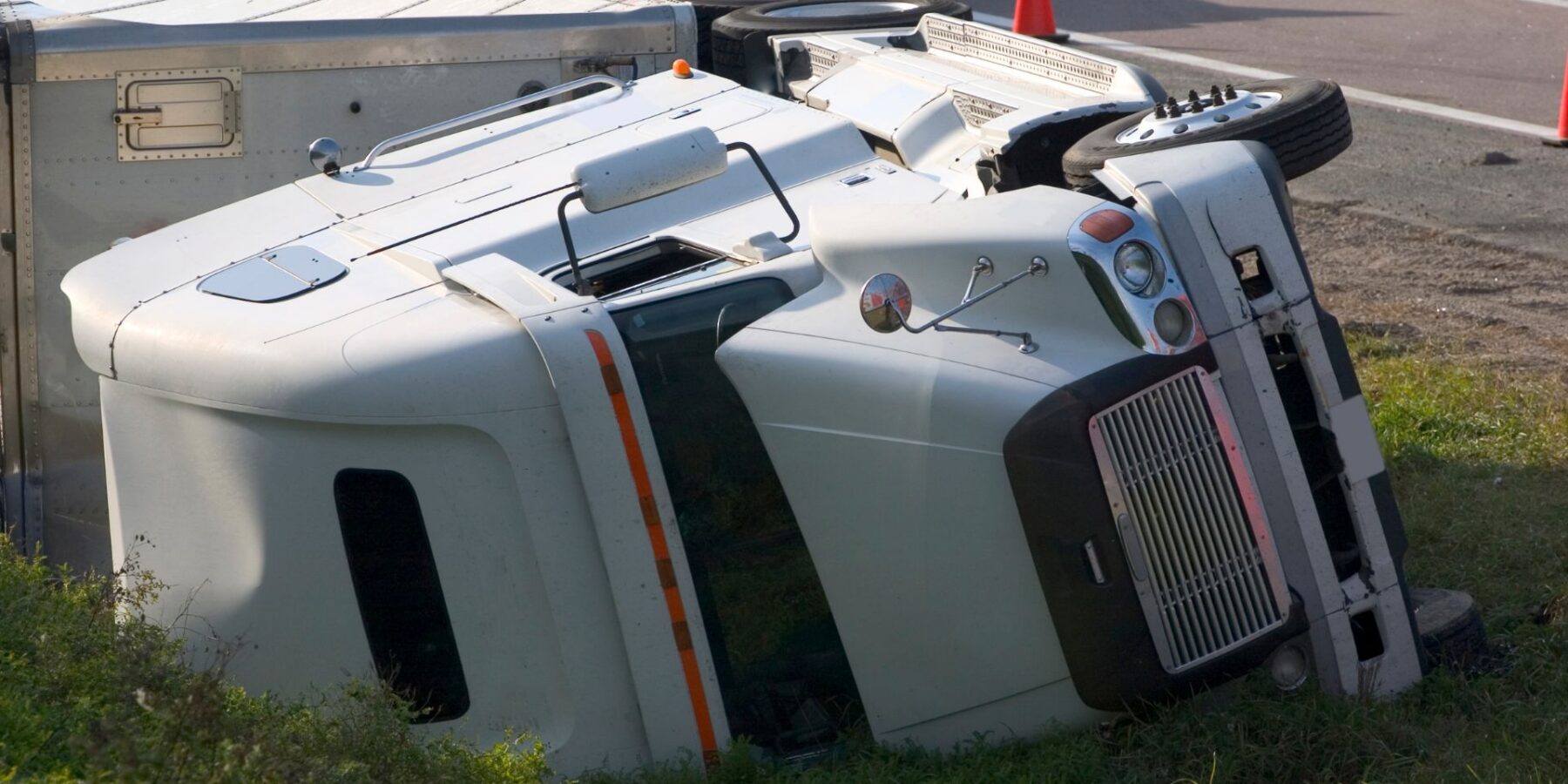
Truck Accident Lawyers in Idaho Falls
A truck accident can turn an everyday drive into a serious injury claim involving far more than two damaged vehicles. A single collision can involve a commercial driver, a company schedule, maintenance decisions, insurance layers, and injuries that interrupt work, movement, and daily stability. Truck accident lawyers in Idaho Falls can investigate those details before the case is treated like a standard vehicle claim.
Goldberg & Loren helps injured people face the pressure that follows serious truck collisions. These claims require a closer look at driver logs, company records, vehicle condition, medical treatment, lost income, and the insurance coverage available for severe harm. Call Goldberg & Loren at (208) 886-1120 for a free case review with our truck accident lawyers in Idaho Falls to learn how we can help you get the maximum compensation for your case.

What to Do Immediately After a Truck Accident in Idaho Falls
The minutes after a truck accident can feel chaotic, but a few careful steps can protect your health and claim. Call emergency services, move away from danger if possible, and let medical responders evaluate any pain, dizziness, confusion, or visible injury. Truck crashes often involve a heavier impact, larger insurance questions, and records that may not stay available without quick action. Goldberg & Loren can help preserve important details before the trucking company or insurer controls the story. Early decisions create the first layer of protection.
Avoid debating fault with the truck driver, company representative, or insurance adjuster at the scene. Give officers basic information, but do not guess about speed, distance, injuries, or what caused the crash. Take photos if you safely can, save every document, and write down anything you remember before details fade. Truck accident lawyers in Idaho Falls can later review those materials against driver logs, vehicle records, medical documentation, and insurance communications. Careful documentation keeps the claim from starting at a disadvantage.
Emergency Care Should Come First
Medical care should happen quickly after a truck crash because pain may not reveal the full injury right away. Shock and adrenaline can hide symptoms during the first hours after impact, especially after a collision involving a large commercial vehicle. Emergency records document the earliest complaints, visible injuries, provider observations, and treatment instructions before the insurer questions timing. Follow-up care also matters when soreness turns into mobility problems, headaches, numbness, or worsening pain. Health comes first, and the medical record protects the claim.
Symptoms Need Clear Reporting From the Beginning
Small symptoms deserve attention because they may point to larger injuries after a truck crash. Head pain, dizziness, stiffness, tingling, swelling, and confusion should be reported during treatment. Clear descriptions help explain why later care became necessary when symptoms develop further.
Follow-Up Care Builds a Stronger Medical Timeline
Recovery after a truck accident rarely ends after one visit. Imaging, therapy, specialist referrals, medication changes, and return appointments can show continuing injury problems. Consistent treatment makes the injury claim harder for insurers to minimize during settlement review.
Truck and Driver Information Should Be Preserved
Truck crashes often involve more identifying information than ordinary collisions because several businesses may be connected to the vehicle. The driver’s name, employer, truck number, trailer information, license plate, insurance details, and police report number may all matter later. Photos of documents, vehicle markings, company logos, and trailer identifiers can prevent confusion if information changes or becomes harder to access. These details also help connect the driver, truck owner, carrier, and insurer to the claim. Strong identification records reduce early uncertainty.
Company Details May Point to Responsible Parties
Commercial truck information can reveal who controlled the vehicle before the crash. Logos, carrier names, trailer numbers, delivery paperwork, and driver documents may identify businesses connected to the trip. Those details help determine who may share responsibility beyond the driver.
Report Numbers Keep Official Records Accessible
A police report number makes later review much easier after a serious truck crash. That number can help locate officer notes, driver statements, diagrams, citations, and crash details. Organized records give the claim better direction before insurers start disputing responsibility.
Photos Can Protect Evidence Before Cleanup Begins
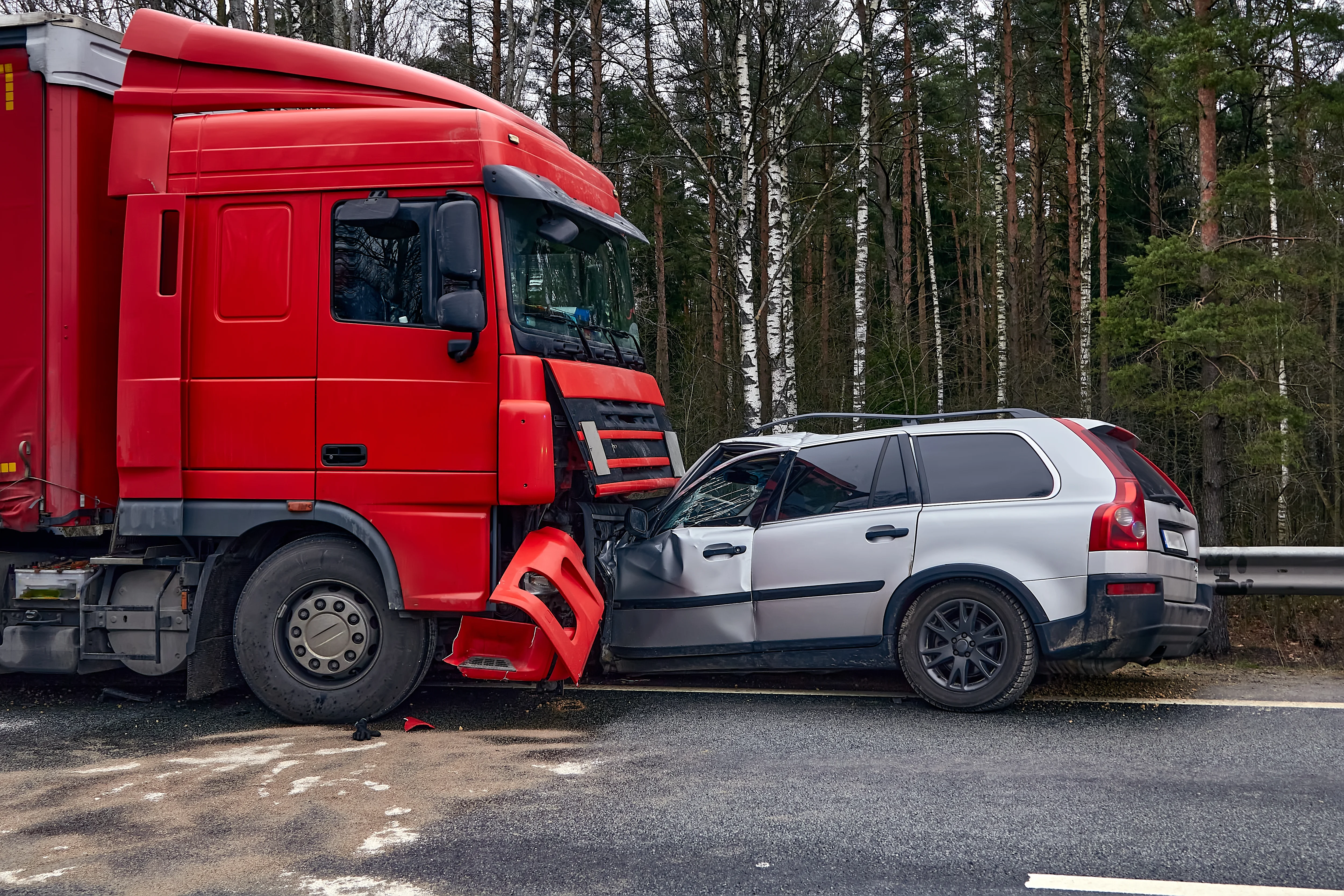
Crash scenes change quickly once towing, cleanup, emergency response, and traffic movement begin. Photos of vehicle damage, debris, cargo, road conditions, skid marks, injuries, and final vehicle positions may explain how the collision happened. Images can also show details that written reports describe too briefly or miss entirely. Truck accident lawyers in Idaho Falls can compare those images with statements from the driver and insurer. Scene photos preserve facts that may otherwise disappear.
Vehicle Damage May Explain Impact Severity
Damage patterns can show how the force moved through the crash. Crushed panels, broken glass, trailer damage, airbag deployment, and interior damage may support injury claims. Physical evidence keeps the collision from being described as less serious than it was.
Cargo and Trailer Conditions Deserve Attention
Cargo and trailer details may affect how the crash happened. Shifting freight, loose equipment, trailer damage, or unsecured materials can raise additional responsibility questions. Those details should be documented before towing, cleanup, or company control changes the scene.
Insurance Contact Should Be Handled With Caution
Insurance companies may call quickly after a serious truck crash while treatment and investigation are still incomplete. Their questions may focus on pain, speed, lane position, prior injuries, vehicle movement, or what you remember from impact. Recorded statements create risk when medical facts, trucking records, and witness details have not been fully reviewed. Written letters, emails, claim numbers, and adjuster requests should be saved before any detailed response is made. Careful communication protects the claim from avoidable mistakes.
Recorded Statements Can Create Claim Problems
Recorded statements may lock in unclear answers too early after a truck crash. Pain, stress, medication, shock, and incomplete information can affect how details are described. Legal review reduces the risk that rushed wording becomes a later insurance defense.
Early Offers Need Careful Review First
Fast settlement offers often arrive before recovery becomes clear. Future care, lost income, vehicle loss, pain, and long-term limitations may remain uncounted in early numbers. A careful review protects against settlement pressure that undervalues serious truck accident losses.
How Truck Accident Lawyers in Idaho Falls Investigate Fault
Fault in a truck accident claim rarely stops with the driver sitting behind the wheel. A serious collision often traces back to rushed dispatching, skipped inspections, unsafe cargo decisions, poor training, fatigue, or a vehicle problem that should have been handled earlier. Truck accident lawyers in Idaho Falls study those possibilities before the insurer reduces the crash to one driver’s statement. That deeper review matters because commercial carriers and insurance companies often move quickly to protect their own version of events. A strong investigation follows the chain of decisions that placed the truck on the road.
The fault review should explain how the collision developed before impact, not only where the vehicles stopped afterward. Driver behavior, company oversight, maintenance history, cargo handling, trip records, and post-crash statements each reveal different sources of responsibility. Idaho’s comparative fault rules make accuracy especially important because assigned blame affects how much compensation an injured person receives. Insurance companies often use small uncertainties to argue for a lower payment when the record remains incomplete. A detailed investigation gives the claim a firmer position before fault disputes begin.
Driver Choices Before Impact Matter in Fault Review
The driver’s conduct before the crash gives investigators the first look at preventable mistakes. Speed control, braking distance, lane discipline, mirror checks, following distance, and attention to traffic all deserve review after a commercial vehicle collision. Truck accident lawyers in Idaho Falls compare the driver’s explanation with damage patterns, witness accounts, scene photographs, and trucking records. This comparison matters when the driver claims the crash happened too suddenly to avoid. The first fault question centers on whether the driver handled the truck with reasonable care.
Late Braking Points to Unsafe Following Distance
Late braking often reveals a distance problem before impact. A loaded truck needs more room to stop than a passenger vehicle. Rear impact damage, skid marks, and witness observations show whether the driver waited too long.
Lane Movement Requires Physical Evidence
Unsafe lane movement creates serious danger around smaller vehicles. Mirror checks, signal timing, blind spots, and traffic spacing affect whether the maneuver was reasonable. Physical damage and witness accounts test the driver’s version.
Company Pressure Explains Dangerous Driving Decisions
A trucking company’s instructions influence how a driver behaves before a crash. Delivery deadlines, route expectations, dispatch messages, and pressure to keep moving affect rest, speed, and decision-making. A fault investigation reviews whether company practices created conditions that made unsafe driving more likely. This matters when a carrier tries to separate business decisions from the driver’s conduct. Commercial responsibility often begins long before the truck enters the crash scene.
Dispatch Records Reveal Unrealistic Time Demands
Dispatch records reveal pressure that shaped the trip. Tight delivery windows, route changes, and repeated driver communications explain rushed decisions. Those records connect business demands to unsafe road behavior.
Driver Schedules Expose Fatigue Risks
Driver schedules show whether fatigue belongs in the fault review. Long driving periods, short rest windows, and repeated trips affect reaction time. Fatigue evidence explains delayed braking and poor judgment.
Maintenance History Points to Preventable Equipment Problems
Truck condition deserves close attention when brakes, tires, lights, steering, mirrors, or trailer components are involved in the crash. A commercial vehicle should not operate with unresolved defects that increase danger for nearby drivers. Truck accident lawyers in Idaho Falls review inspection documents, repair records, service intervals, and post-crash findings to determine whether mechanical issues contributed to the impact. This review matters when a company blames the collision on driver error while ignoring maintenance failures. Equipment history often reveals preventable danger that existed before the crash.
Brake Records Need Technical Review
Brake records show whether the truck could stop safely. Inspection notes, repair invoices, and service gaps reveal neglected mechanical problems. Poor brake maintenance changes the fault analysis significantly.
Tire Condition Affects Truck Control
Tire condition matters when a truck loses stability or stopping ability. Worn tread, improper pressure, and delayed replacement create avoidable risk. Maintenance proof connects equipment neglect to the collision.
Cargo and Trailer Details Change Responsibility
Cargo and trailer issues create fault questions that do not appear in a standard police report. Improper loading, unsecured freight, uneven weight distribution, trailer defects, or loose equipment affect how the truck moved before impact. A careful investigation reviews shipping records, loading documents, trailer ownership, inspection notes, and photographs from the scene. This work matters because more than one business often handles the truck, trailer, or freight before the collision. Cargo and trailer evidence expands responsibility beyond the driver alone.
Loading Decisions Affect Truck Stability
Loading decisions influence how a truck handles during braking and turning. Uneven weight, unsecured freight, or overloaded cargo makes control more difficult. Shipping and loading records identify who created that risk.
Trailer Ownership Adds Another Fault Path
Trailer ownership leads the investigation beyond the truck driver. A separate business might own, lease, inspect, or maintain the trailer. That detail changes both fault analysis and insurance coverage.

How Goldberg & Loren Builds Idaho Falls Truck Crash Claims Around Company Accountability
Goldberg & Loren builds truck accident claims by looking at the business decisions behind the crash. A serious collision often reflects more than one unsafe moment on the road. Dispatch pressure, poor maintenance, driver fatigue, rushed loading, and weak supervision all deserve review when injuries are severe. Truck accident lawyers in Idaho Falls examine those company-level choices because they often explain why the crash happened. Accountability becomes stronger when the claim follows the decisions that placed the truck in motion.
A commercial carrier, vehicle owner, maintenance provider, cargo company, or insurer might try to keep attention on the driver alone. That narrow view leaves important responsibility questions unanswered. The claim needs records that show who controlled the route, the vehicle, the schedule, the load, and the driver’s work conditions. Goldberg & Loren organizes those details before settlement discussions begin. Accountability from the company gives an injured person a stronger claim position.
Company Records Behind the Truck Crash
Company records often explain the pressure surrounding a truck trip before the collision happened. Dispatch notes, route assignments, delivery expectations, inspection logs, and driver communications show how the trip was managed. Those records matter when a company claims the driver alone caused the crash. A stronger review looks at whether business demands created unsafe choices on the road. Responsibility becomes clearer when company decisions match the crash pattern.
Dispatch Pressure Deserves Close Review
Tight delivery windows influence how drivers manage speed, rest, and traffic decisions. Repeated dispatch messages or schedule changes reveal whether the company pushed urgency over safety. Those records connect business pressure to dangerous driving choices.
Route Instructions Show Operational Control
Route instructions identify who directed the truck’s movement before impact. Delivery assignments, timing expectations, and company communications show how much control the business kept. Operational control strengthens the accountability review.
Maintenance Practices and Truck Safety Problems
Mechanical condition matters when a truck crash involves braking, steering, tires, lights, mirrors, or trailer equipment. A company that sends a poorly maintained truck onto the road creates avoidable danger for nearby drivers. Inspection reports, repair invoices, service schedules, and post-crash findings help show whether the vehicle was safe before the trip began. This evidence matters when an insurer blames the collision only on traffic conditions or driver reaction time. Maintenance history often reveals danger that existed before impact.
Service Gaps Raise Serious Safety Questions
Service gaps show whether warning signs were ignored before the truck crash. Missed inspections, delayed repairs, and repeated mechanical complaints reveal patterns that deserve investigation. Those details strengthen claims involving preventable equipment failure.
Brake and Tire Records Carry High Value
Brake and tire records often explain why a truck failed to stop or stay controlled. Worn tread, poor pressure, and neglected brake service create serious roadway risks. Technical records give the claim concrete safety proof.
Driver Supervision and Safety Rule Enforcement
Driver supervision affects whether a trucking company catches unsafe patterns before a crash. A company responsible for hiring, training, monitoring, and correcting drivers must take those duties seriously. Prior complaints, driving history, training records, safety reviews, and supervisor communications all help evaluate company oversight. This review matters when a driver’s mistake reflects a larger failure to manage risk. Poor supervision turns the claim toward company accountability.
Training Records Explain Driver Preparedness
Training records show whether the driver received proper instruction before operating the truck. Safety meetings, onboarding materials, and policy acknowledgments reveal what the company taught. Weak training supports deeper questions about company responsibility.
Prior Warnings Change the Accountability Picture
Prior warnings give important context when unsafe conduct repeats. Earlier complaints, citations, or performance notes show whether the company knew about risk. Ignored warnings make preventable harm harder to excuse.
Cargo Loading Decisions Before the Collision
Cargo handling affects how a truck brakes, turns, balances, and responds during traffic changes. Improper weight distribution, unsecured freight, overloaded trailers, and loose equipment create danger before the driver reaches the road. Loading paperwork, shipment records, scale information, and trailer photos help identify who handled the freight. This review matters when several businesses touched the load before the crash. Cargo evidence expands accountability beyond the driver’s seat.
Weight Distribution Affects Vehicle Control
Uneven weight changes how a truck handles during braking and turning. A poorly balanced load increases instability and reduces safe driver response options. Loading records identify the business choices behind that risk.
Freight Documents Identify Additional Companies
Freight documents show who shipped, loaded, transferred, or controlled the cargo. Bills of lading and loading notes reveal businesses connected to the trip. Those records expand the claim beyond one insurer.
Get a Free Consultation From Our Truck Accident Lawyers in Idaho Falls at Goldberg & Loren Today
A truck crash can leave you recovering while companies connected to the vehicle start protecting their own interests immediately after the crash. Driver logs, maintenance records, cargo paperwork, insurance coverage, and company communications may all matter to your claim. Your focus should be on treatment and stability, rather than trying to untangle a commercial trucking case without legal guidance.
You should not have to sort through company records, insurance disputes, and injury documentation alone. Our truck accident lawyers in Idaho Falls can review the crash details, identify responsible parties, and pursue compensation for the losses tied to the collision. Call Goldberg & Loren at (208) 886-1120 or visit our contact page today for a free case review.
Practice Areas
Trust Us With Your Personal Injury Claim
If you or a loved one have been injured, Goldberg & Loren will fight for you every step of the way. We will give our all to secure the compensation you rightfully deserve.





Contact usfor a free consultation.
Phone: (208) 886-1120