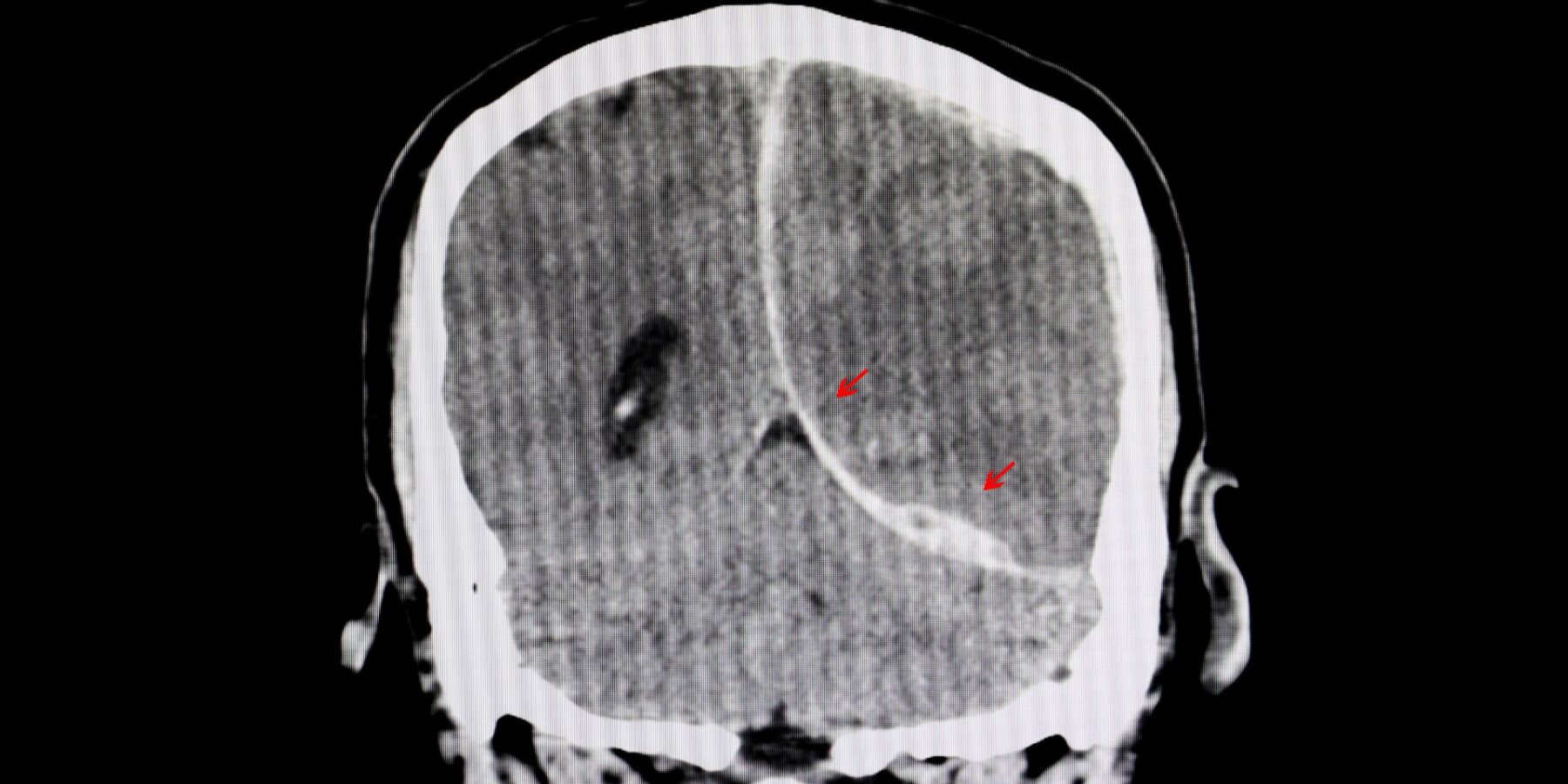
Traumatic Brain Injury Lawyers in Boise
Some motorcycle crash injuries heal with time. However, traumatic brain injuries can permanently alter the way a person thinks, communicates, works, and interacts with family members. Riders dealing with head trauma often face unpredictable symptoms that disrupt every part of life. Headaches, concentration problems, sensitivity to light, and personality changes may continue for months or years after the collision. The Brain Injury Association of America explains that many traumatic brain injuries produce ongoing neurological complications that require extensive medical monitoring and rehabilitation.
Goldberg & Loren helps motorcycle crash victims pursue financial recovery after serious brain injuries caused by reckless and careless drivers. Our Boise traumatic brain injury lawyers investigate collisions thoroughly while building strong evidence tied directly to neurological harm and long-term losses. We aggressively challenge insurance companies that attempt to dismiss concussion symptoms or undervalue catastrophic motorcycle accident claims.
Strong legal preparation creates stronger injury claims. Therefore, Goldberg & Loren approach every motorcycle brain injury case with detailed medical analysis and litigation-focused strategy from the beginning. Call (208) 886-1120 today to speak with traumatic brain injury lawyers helping motorcycle riders pursue compensation after a devastating crash.
Our Traumatic Brain Injury Lawyers in Boise Investigate Motorcycle Crashes Aggressively
Motorcycle crashes involving traumatic brain injuries often leave riders facing physical pain, cognitive disruption, financial pressure, and uncertainty about the future. Unlike many other injury claims, motorcycle brain injury cases usually involve catastrophic damages that continue affecting the victim long after the collision itself. Riders may struggle with concentration problems, dizziness, personality changes, speech difficulties, and memory loss while attempting to recover physically and emotionally. Because these symptoms often interfere with employment and daily responsibilities, insurance companies aggressively examine every detail of the claim from the beginning.
Goldberg & Loren approaches traumatic brain injury motorcycle cases with immediate urgency because valuable evidence can disappear quickly after a crash. A serious motorcycle collision may involve distracted driving, unsafe lane changes, speeding, failure to yield, or reckless behavior that requires extensive investigation. At the same time, traumatic brain injury symptoms can evolve over several weeks, making medical documentation extremely important during the early stages of recovery. Goldberg & Loren builds claims designed to connect the motorcycle crash directly to the rider’s neurological injuries while documenting the full impact those injuries have on daily life.
Motorcycle accident brain injury claims also involve significant financial stakes. Emergency medical treatment, neurological testing, rehabilitation therapy, and future care expenses can place enormous strain on injured riders and their families. Therefore, detailed preparation often becomes one of the most important factors affecting compensation. Goldberg & Loren develops every motorcycle traumatic brain injury claim using medical records, crash scene analysis, witness interviews, and supporting evidence that strengthens the rider’s position during negotiations or litigation.

Motorcycle Crash Evidence Can Disappear Within Days
Motorcycle accident evidence often changes or disappears rapidly after a serious collision. Damaged vehicles may be repaired or destroyed, roadway debris can be cleared away, and surveillance recordings are sometimes deleted automatically within days. In many motorcycle accident cases, important evidence exists only for a short period before it becomes permanently unavailable. Therefore, immediate investigation helps preserve information that may later become critical to establishing fault and proving damages.
Goldberg & Loren moves quickly after catastrophic motorcycle crashes involving traumatic brain injuries. Early evidence collection allows the firm to document roadway conditions, impact locations, traffic patterns, and vehicle damage before conditions change. Motorcycle accident investigations often reveal details that insurance companies initially overlook or attempt to minimize. Strong documentation frequently improves the injured rider’s ability to pursue compensation for medical treatment, lost wages, and future neurological care.
Surveillance Footage Often Reveals Driver Negligence
Video evidence sometimes provides one of the clearest explanations of how a motorcycle collision occurred. Traffic cameras, nearby businesses, parking structures, and residential security systems may capture unsafe turns, distracted driving, sudden lane changes, or dangerous merging behavior immediately before impact. This type of footage can significantly strengthen traumatic brain injury claims because it allows investigators to analyze driver actions frame by frame.
Goldberg & Loren works to identify potential video sources quickly after motorcycle crashes involving head trauma. Early preservation requests often prevent valuable recordings from being erased before they can be reviewed. In many cases, surveillance footage supports the rider’s version of events while exposing reckless or careless driving conduct that contributed directly to the collision.
Motorcycle Intersection Collisions Frequently Involve Video Evidence
Intersections often contain multiple camera systems because of nearby traffic signals, businesses, and commercial properties. Motorcycle crashes involving left-turn drivers or red-light violations frequently occur in these areas. Video evidence may show the exact sequence of events leading to the collision, including traffic movement, rider positioning, and driver response time.
Goldberg & Loren examines intersection crash evidence carefully while building motorcycle traumatic brain injury claims. Video footage often helps establish liability clearly while reducing insurance company attempts to shift blame onto the injured rider.
Left Turn Drivers Commonly Cause Motorcycle Brain Injuries
Drivers making left turns frequently claim they failed to see the approaching motorcycle before impact. However, riders traveling lawfully through an intersection still suffer devastating consequences when another driver turns directly into their path. These collisions often throw riders onto pavement or nearby vehicles with tremendous force, increasing the risk of traumatic brain injuries and catastrophic head trauma.
Goldberg & Loren investigates left-turn motorcycle collisions using traffic signal timing, roadway analysis, vehicle positioning, and witness accounts. This evidence helps establish how negligent driving decisions caused serious neurological injuries.
Distracted Drivers Create Dangerous Motorcycle Crash Conditions
Distracted driving continues to create serious risks for motorcyclists because motorcycles are smaller and less visible than passenger vehicles. Drivers looking at mobile devices, navigation systems, or surrounding traffic may fail to notice riders until impact becomes unavoidable. Even a momentary distraction can cause catastrophic injuries during a motorcycle crash.
Goldberg & Loren investigates distracted driving evidence in traumatic brain injury motorcycle cases involving cellphone use, unsafe lane changes, and delayed braking patterns. These investigations often uncover negligence that directly contributed to the rider’s injuries.
Witness Statements Strengthen Motorcycle Brain Injury Claims
Witnesses often provide valuable details regarding speed, traffic flow, driver behavior, and road conditions immediately before a motorcycle collision. Independent observations may help explain how the crash occurred while supporting the injured rider’s version of events. However, witness memories can fade quickly over time, especially when traumatic collisions involve multiple vehicles or chaotic roadway conditions.
Goldberg & Loren contacts witnesses as early as possible following serious motorcycle accidents involving traumatic brain injuries. Early witness interviews often preserve critical observations that may later support liability arguments and strengthen settlement negotiations. Witness testimony may also help counter insurance company claims that attempt to blame the rider unfairly for the collision.
Motorcycle Riders Often Face Unfair Bias After Serious Crashes
Insurance companies sometimes rely on negative assumptions involving motorcycle riders during catastrophic injury claims. Adjusters may attempt to portray the rider as reckless, aggressive, or responsible for the collision despite evidence showing otherwise. These tactics frequently appear in traumatic brain injury claims because insurers understand the substantial financial exposure involved.
Goldberg & Loren builds motorcycle accident claims using evidence that focuses directly on driver negligence and roadway facts rather than stereotypes. Strong witness testimony often becomes an important tool for correcting false assumptions involving rider behavior.
Neutral Witnesses Can Clarify Traffic Conditions
Independent witnesses who have no connection to either party often provide highly persuasive testimony after a motorcycle collision. Neutral observations regarding lane positioning, traffic speed, weather conditions, and vehicle movement can help establish fault more clearly.
Goldberg & Loren documents witness observations carefully while organizing evidence that supports the rider’s traumatic brain injury claim.
Emergency Responders Sometimes Observe Critical Details
Police officers, firefighters, and emergency medical personnel occasionally observe roadway evidence or driver behavior immediately following a motorcycle crash. Their observations may later become important when reconstructing the sequence of events surrounding the collision.
Goldberg & Loren reviews accident reports and emergency response documentation thoroughly while building traumatic brain injury motorcycle claims.
Medical Documentation Plays a Central Role in Brain Injury Cases
Traumatic brain injuries often involve symptoms that cannot always be seen externally. Riders may appear physically stable while continuing to struggle with memory problems, cognitive impairment, headaches, fatigue, or emotional instability. Therefore, detailed medical documentation becomes one of the most important parts of a motorcycle brain injury claim.
Goldberg & Loren works closely with injured riders to organize treatment records, neurological evaluations, imaging studies, rehabilitation reports, and physician opinions. Comprehensive documentation helps establish how the traumatic brain injury developed, how symptoms progressed, and how the injury continues affecting the rider’s life.
Delayed Brain Injury Symptoms Can Complicate Motorcycle Claims
Some traumatic brain injury symptoms emerge gradually following a serious motorcycle collision. Riders may initially focus on fractures, road rash, or orthopedic injuries before recognizing cognitive or neurological complications later during recovery. Delayed symptoms often include confusion, dizziness, speech difficulty, sensitivity to light, mood swings, and concentration problems.
Insurance companies frequently attempt to use delayed symptoms against injured riders by arguing that the brain injury developed from another cause. Goldberg & Loren works to connect evolving neurological symptoms directly to the motorcycle crash through detailed medical evidence and treatment history.
Neurological Evaluations Help Explain Cognitive Symptoms
Neurologists and neuropsychologists often perform testing that measures cognitive functioning after traumatic brain injuries. These evaluations may reveal processing delays, memory deficits, attention problems, and communication difficulties that affect the rider’s ability to work or manage daily activities.
Goldberg & Loren uses neurological findings to demonstrate the seriousness of motorcycle-related traumatic brain injuries while pursuing compensation tied to cognitive impairment and future care needs.
Concussions Can Create Lasting Daily Limitations
Even so-called mild concussions can create significant disruptions in a rider’s daily life. Persistent headaches, sleep disturbances, anxiety, and concentration problems may continue interfering with employment and personal relationships for months after the collision.
Goldberg & Loren documents these complications carefully while building motorcycle traumatic brain injury claims involving concussions and post-concussive symptoms.
Severe Brain Trauma Often Requires Extensive Rehabilitation
More severe motorcycle accident brain injuries may require rehabilitation therapy, occupational treatment, speech therapy, and cognitive retraining programs. Recovery often becomes physically and emotionally exhausting for both the injured rider and family members involved in caregiving responsibilities.
Goldberg & Loren pursues compensation designed to account for ongoing rehabilitation expenses, reduced earning potential, and future neurological care following catastrophic motorcycle crashes.
The Hidden Consequences of Motorcycle Brain Injuries for Boise Riders
Motorcycle crashes often leave behind far more than visible physical injuries. Many riders continue struggling with cognitive problems, emotional instability, sensory issues, and financial hardship long after leaving the hospital. Traumatic brain injuries frequently affect nearly every aspect of daily life, including employment, family relationships, communication, sleep patterns, and independent living. Because these complications develop differently for every person, insurance companies often underestimate the true impact of motorcycle-related brain trauma.
Goldberg & Loren represents injured riders facing the difficult reality of life after a traumatic brain injury. Motorcycle accident claims involving head trauma require careful documentation because symptoms often evolve gradually during recovery. Riders may initially believe they escaped serious harm, only to experience worsening neurological complications weeks later. Therefore, detailed medical treatment and aggressive case preparation become essential when pursuing compensation after a catastrophic motorcycle crash in Boise.
Motorcycle riders suffering from traumatic brain injuries often face challenges that extend well beyond emergency medical care. Cognitive limitations, emotional changes, and reduced earning ability can create financial pressure for years after the collision. Goldberg & Loren works to demonstrate how motorcycle brain injuries disrupt every part of a rider’s future while pursuing compensation tied to medical treatment, rehabilitation costs, and diminished quality of life.

Cognitive Problems Often Affect Motorcycle Brain Injury Victims Daily
Traumatic brain injuries frequently interfere with the brain’s ability to process information efficiently. Riders may struggle with memory retention, concentration, decision-making, organization, and communication after a serious motorcycle collision. These cognitive difficulties can affect workplace performance, financial management, and even routine daily responsibilities. In many cases, riders become frustrated because they no longer think or react the same way they did before the crash.
Goldberg & Loren builds motorcycle brain injury claims that fully document cognitive impairment following traumatic head trauma. Neurological evaluations, neuropsychological testing, and physician observations often reveal deficits that insurance companies initially attempt to minimize. Detailed documentation helps explain how brain injuries continue affecting injured riders even after visible physical wounds begin healing.
Memory Loss Can Interfere With Employment and Relationships
Memory problems remain one of the most common complications associated with traumatic brain injuries after motorcycle accidents. Riders may forget conversations, appointments, instructions, or important details throughout the day. Short-term memory deficits often create stress at work while also affecting relationships with family members and friends.
Goldberg & Loren pursues compensation for riders whose memory impairment limits their ability to maintain stable employment or perform previous job duties. Motorcycle accident brain injury claims should account for both financial losses and the emotional frustration associated with cognitive decline.
Workplace Mistakes Become More Common After Brain Trauma
Many motorcycle riders return to work expecting recovery to progress smoothly, only to discover they struggle with focus and task completion. Cognitive fatigue, delayed processing speed, and poor concentration can increase mistakes in physically demanding or detail-oriented professions.
Goldberg & Loren works to demonstrate how traumatic brain injuries interfere with career stability following a motorcycle crash. Lost earning capacity often becomes a major component of catastrophic injury claims involving neurological impairment.
Cognitive Fatigue Can Affect Daily Productivity
Brain injury victims frequently become mentally exhausted after routine activities that once felt simple. Reading, multitasking, driving, and prolonged conversations may suddenly require far more effort than before the collision. Riders often describe feeling mentally drained after even minor responsibilities.
Goldberg & Loren documents cognitive fatigue carefully while building motorcycle traumatic brain injury claims involving reduced productivity and lifestyle disruption.
Slower Processing Speeds Can Create Safety Risks
Delayed reaction time can affect a rider’s ability to operate vehicles safely, perform work duties, or respond quickly during emergencies. These limitations sometimes force injured riders to reduce work hours or leave certain professions entirely.
Goldberg & Loren includes these neurological limitations when calculating damages tied to traumatic brain injuries after serious motorcycle crashes.
Communication Difficulties May Develop After Motorcycle Brain Injuries
Traumatic brain injuries sometimes interfere with speech patterns, word recall, and conversational flow. Riders may struggle to communicate thoughts clearly or follow complex discussions after a motorcycle collision involving head trauma.
These communication difficulties often create embarrassment, frustration, and social withdrawal. Goldberg & Loren works to show how communication impairment affects personal relationships and professional opportunities following catastrophic motorcycle accidents.
Riders May Experience Difficulty Finding Words
Word retrieval problems commonly appear after traumatic brain injuries involving motorcycle crashes. Riders may pause frequently during conversations or lose track of thoughts mid-sentence.
Goldberg & Loren documents these symptoms thoroughly while demonstrating how neurological trauma continues affecting communication and confidence.
Social Isolation Often Follows Cognitive Changes
Many traumatic brain injury victims withdraw socially because conversations become exhausting or emotionally overwhelming. Riders may avoid public situations, group settings, or family gatherings due to frustration involving cognitive symptoms.
Goldberg & Loren pursues compensation tied to emotional hardship and diminished quality of life following severe motorcycle-related brain injuries.
Emotional Changes Frequently Follow Serious Motorcycle Brain Injuries
Traumatic brain injuries often affect emotional regulation in ways riders never expected. Mood swings, irritability, anxiety, depression, and emotional instability commonly appear after catastrophic motorcycle crashes. These symptoms can place significant stress on marriages, friendships, and family relationships.
Goldberg & Loren understands that emotional trauma often becomes just as disruptive as physical injuries following a motorcycle collision. Brain injury claims should reflect both the neurological and emotional consequences riders experience throughout recovery.
Anxiety and Depression Often Develop During Recovery
Many motorcycle accident victims struggle emotionally while adjusting to physical pain, cognitive limitations, and financial pressure. Anxiety about the future often increases as riders realize recovery may take months or years.
Goldberg & Loren documents psychological symptoms connected to traumatic brain injuries while pursuing compensation for counseling, mental health treatment, and emotional suffering after serious motorcycle crashes.
Personality Changes Can Affect Family Relationships
Family members often notice personality changes after traumatic brain injuries involving motorcycle collisions. Riders who once felt calm and patient may suddenly become impulsive, frustrated, or emotionally distant.
These behavioral changes can create tension inside the household while affecting parental responsibilities and personal relationships. Goldberg & Loren includes these life disruptions when valuing catastrophic motorcycle injury claims.
Irritability Can Become Difficult To Control
Neurological trauma may reduce a rider’s ability to regulate frustration and emotional responses. Small inconveniences sometimes trigger exaggerated emotional reactions after a traumatic brain injury.
Goldberg & Loren works to show how emotional regulation problems affect daily functioning and family stability after severe motorcycle accidents.
Emotional Withdrawal May Increase During Recovery
Some riders become emotionally detached following a traumatic brain injury. Friends and family may notice reduced engagement, social isolation, and declining participation in previously enjoyable activities.
Goldberg & Loren documents emotional withdrawal carefully while pursuing damages connected to reduced enjoyment of life and personal hardship.
Sleep Disruption Often Worsens Brain Injury Symptoms
Traumatic brain injuries frequently interfere with healthy sleep patterns. Riders may experience insomnia, interrupted sleep, nightmares, or chronic fatigue after a motorcycle collision involving head trauma.
Poor sleep often intensifies headaches, memory problems, irritability, and concentration difficulties. Goldberg & Loren includes these ongoing complications when preparing traumatic brain injury motorcycle claims involving neurological impairment.
Chronic Fatigue Can Affect Physical Recovery
Persistent fatigue often slows physical rehabilitation following a catastrophic motorcycle crash. Riders may lack the energy needed to complete therapy sessions, work responsibilities, or household tasks consistently.
Goldberg & Loren pursues compensation that reflects the broad physical and neurological impact of traumatic brain injuries after motorcycle accidents.
Sleep Problems Can Intensify Emotional Distress
Interrupted sleep frequently increases anxiety, mood swings, and emotional instability during recovery. Riders dealing with chronic exhaustion often struggle to maintain normal routines and social interaction.
Goldberg & Loren works to demonstrate how sleep disruption contributes to the overall burden associated with traumatic brain injuries following serious motorcycle collisions.
Speak With Traumatic Brain Injury Lawyers in Boise Today
A serious motorcycle crash can leave riders facing physical pain, cognitive struggles, emotional stress, and financial uncertainty all at once. Traumatic brain injuries often affect every part of daily life, especially when symptoms interfere with work, relationships, sleep, and long-term recovery. Insurance companies understand the financial exposure connected to catastrophic motorcycle injury claims, which is why they frequently attempt to minimize symptoms or pressure injured riders into accepting low settlement offers before the full extent of the injury becomes clear.
Goldberg & Loren represents motorcycle riders suffering from traumatic brain injuries caused by negligent drivers. The firm prepares every claim with detailed medical evidence, aggressive investigation, and a strong focus on the rider’s future needs. Compensation may include emergency medical treatment, neurological care, rehabilitation expenses, lost income, pain and suffering, and reduced earning capacity connected to permanent cognitive impairment. Motorcycle accident claims involving brain trauma require immediate attention because evidence can disappear quickly after a collision.
If you or a loved one suffered a traumatic brain injury after a motorcycle accident, Goldberg & Loren is ready to help you pursue accountability and financial recovery. Call (208) 886-1120 today for a free consultation with traumatic brain injury lawyers in Boise, helping injured motorcycle riders move forward after devastating crashes.
Practice Areas
Trust Us With Your Personal Injury Claim
If you or a loved one have been injured, Goldberg & Loren will fight for you every step of the way. We will give our all to secure the compensation you rightfully deserve.





Contact usfor a free consultation.
Phone: (208) 886-1120