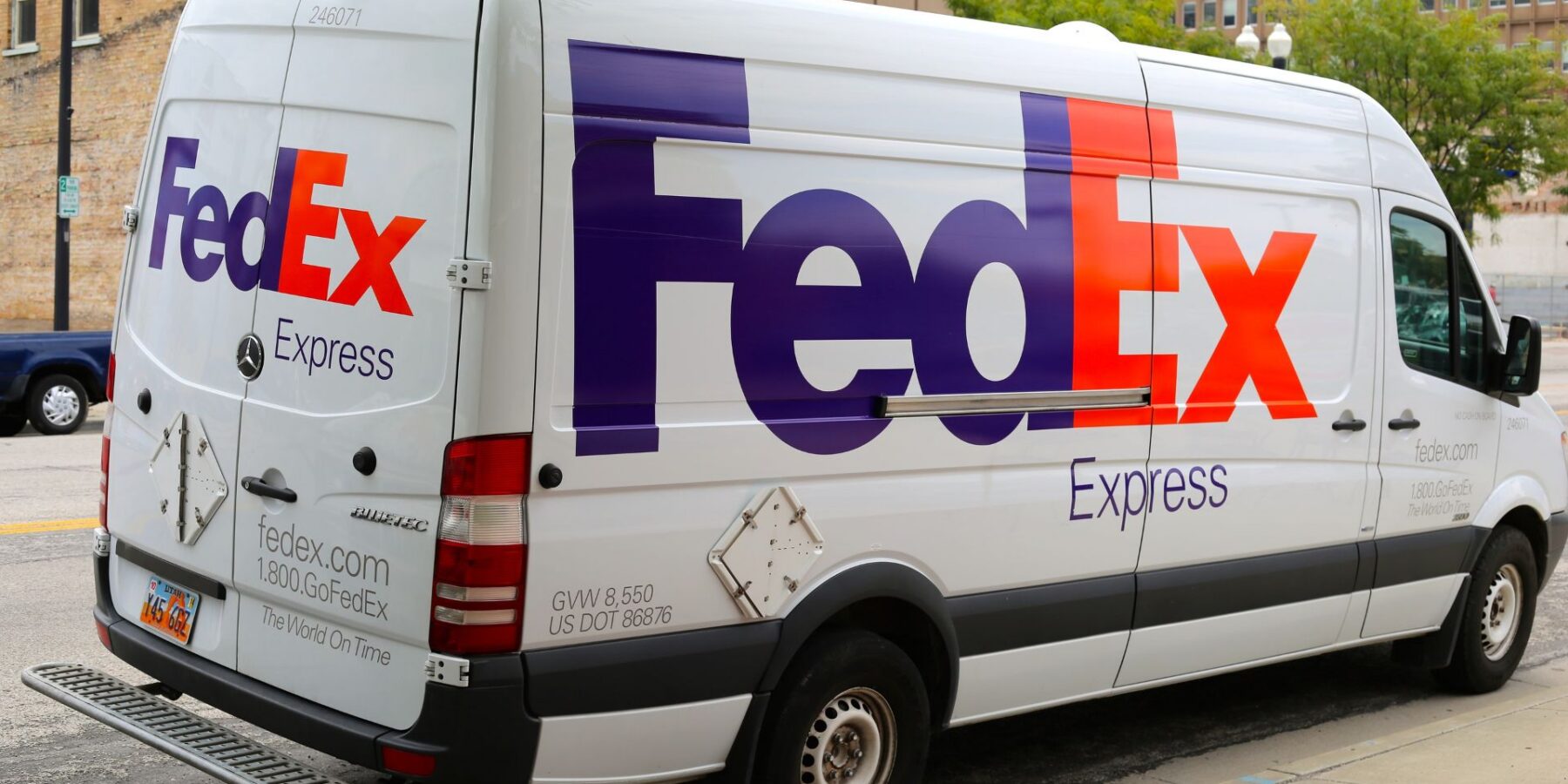
FedEx Truck Accident Lawyers in Boise
FedEx delivery crashes can happen in places where people least expect a serious truck collision, including neighborhood streets, apartment entrances, and business parking lots. When a delivery truck hits another vehicle or person, the claim may involve more than the person driving the truck. FedEx truck accident lawyers in Boise can investigate the delivery activity, driver decisions, vehicle movement, and insurance issues that may affect the claim.
Goldberg & Loren helps injured people pursue claims involving FedEx truck crashes in Boise. These cases may require a close look at who operated the vehicle, what delivery pressure existed, how the crash unfolded, and how the injuries changed the person’s daily life and could continue to affect them in the long run. Call Goldberg & Loren at (208) 886-1120 for a free consultation and speak with our FedEx truck accident lawyers in Boise today to learn how we can help you with your case.

What Makes FedEx Delivery Truck Accidents Different
FedEx truck crashes in Boise often involve delivery patterns that look very different from standard commercial truck collisions. Drivers may stop suddenly near curbside drop zones, reverse near apartment entrances, scan for addresses, pull across lanes for missed turns, or park in places that block visibility for other road users. Those movements create risks for drivers, pedestrians, cyclists, and people walking through parking lots or business complexes. Goldberg & Loren look closely at the delivery setting because the crash may depend on timing, route demands, vehicle position, and driver attention. A package route can turn ordinary traffic spaces into dangerous conflict points. The delivery context should shape the entire claim review.
FedEx-related claims may also involve questions about who operated the truck and which company controlled the delivery work. A crash may involve a FedEx-branded vehicle, a contractor driver, a leased truck, a local delivery route, or a business relationship that affects insurance coverage. Goldberg & Loren reviews those details before insurers narrow the claim to a basic driver mistake. The strongest evidence may come from delivery records, route data, vehicle ownership information, witness statements, and medical documentation. FedEx truck accident lawyers in Boise can help identify which records matter before important proof becomes harder to obtain. A delivery truck claim should account for the business behind the route.
Delivery Routes Create Unusual Crash Risks
FedEx delivery routes often require drivers to move through neighborhoods, office parks, loading areas, apartment complexes, and business entrances throughout the day. A driver may stop repeatedly, turn into tight spaces, back near pedestrians, or re-enter traffic after a delivery scan. Those route demands can create hazards when the driver rushes, misjudges space, or focuses more on the next stop than on nearby traffic. FedEx truck accident lawyers in Boise can review where the truck was in the route and how that location affected the crash. Route behavior matters when a collision happens during an active delivery task.
Stop-And-Go Driving Can Create Hazards
Stop-and-go delivery driving can surprise nearby motorists, cyclists, and pedestrians when the truck moves unpredictably. Sudden stops, curbside pulls, and quick exits from parking areas can reduce reaction time for everyone nearby. These route patterns may explain why the crash happened.
Delivery Timing May Explain Driver Decisions
Delivery timing may show whether the driver faced pressure to finish stops quickly. Route records, package scans, and location details may reveal how the driver was moving before impact. Those details can connect delivery demands to unsafe conduct.
Contractor Relationships May Affect the Claim
FedEx accident claims may involve contractor relationships that are not obvious from the truck’s branding. The vehicle may display FedEx markings while the driver works for a contractor or another business connected to the delivery route. That structure can affect insurance coverage, responsibility, records, and the parties that need to be reviewed. Goldberg & Loren examines those relationships so the claim does not stop at the name on the side of the truck. Business structure can become a key part of recovery.
Vehicle Branding Does Not Always Explain Control
A FedEx logo does not automatically explain who employed the driver or controlled the route. Ownership records, contractor documents, insurance policies, and delivery agreements may provide better answers. Those materials can clarify who should respond to the claim.
Insurance Review Should Include Every Business
Insurance review should include the driver, vehicle owner, contractor, route operator, and any business connected to delivery work. Each source may carry different coverage or responsibility. A complete review helps prevent missed recovery options.
Backing And Parking Maneuvers Need Detailed Review
FedEx trucks often operate in areas where backing, parking, and tight turns create immediate danger. A driver may reverse near loading zones, apartment walkways, storefronts, driveways, or parking spaces with limited visibility. These crashes can injure pedestrians, cyclists, delivery recipients, and occupants of nearby vehicles. Attorneys can review camera footage, witness accounts, vehicle damage, and final positions to understand how the maneuver unfolded. Backing and parking crashes require more than a quick statement from the driver.
Blind Areas Can Hide People Nearby
Delivery trucks may have blind areas that make pedestrians, cyclists, and smaller vehicles harder to notice. Drivers still need to check surroundings before reversing, turning, or pulling away from a stop. Visibility limits should be reviewed with the driver’s duties in mind.
Camera Footage Can Clarify Movement
Camera footage may show whether the truck backed, turned, stopped, or entered traffic unsafely. Nearby businesses, homes, dashcams, and delivery-area cameras may preserve important visual proof. Video can resolve disputes that statements leave unclear.
Package Delivery Evidence Can Support Fault
FedEx crash evidence may include package scans, route information, GPS location data, delivery notes, and communications connected to the driver’s stops. Those records may show where the driver was headed, whether a delivery was active, and how the truck moved through Boise before the crash. This proof can become important when the driver’s explanation does not match the route timeline. Goldberg & Loren reviews delivery evidence alongside crash reports, photos, injuries, and witness accounts. The route record can tell part of the crash story.
Scan Data May Show Route Activity
Scan data may show when a package was delivered, attempted, or scheduled near the crash time. Those timestamps can help place the truck’s activity within the broader collision timeline. Delivery records can support fault analysis when timing matters.
Route Details Can Strengthen Liability Arguments
Route details can explain why the truck stopped, turned, reversed, or entered a certain area. Those facts may show whether the driver made an unsafe delivery-related maneuver. Strong route evidence can make liability arguments more precise.
How FedEx Truck Accident Lawyers in Boise Prove Delivery Driver Fault
FedEx delivery driver fault often depends on the seconds surrounding a stop, turn, lane movement, or parking decision. A driver may have been looking for an address, checking a route device, rushing toward the next delivery, or pulling away from a curb without noticing nearby traffic. FedEx truck accident lawyers in Boise can review the crash facts against delivery activity, vehicle movement, witness observations, and available camera footage. This matters because delivery drivers may describe the crash as a normal traffic mistake when the route itself created added danger. Fault becomes clearer when the driver’s actions are matched to the delivery setting.
A FedEx-related crash may involve a vehicle moving through tight spaces where drivers, pedestrians, cyclists, and parked cars are all close together. Package delivery work can create frequent starts, stops, backing movements, and quick turns that require full attention. Goldberg & Loren reviews those details to determine whether the driver failed to operate safely during the delivery process. The claim should explain what the driver did wrong and why that conduct caused the injury. Delivery driver fault should be proven with specific facts.
Unsafe Stops Can Create Sudden Hazards
Unsafe stops can happen when a FedEx driver blocks a lane, stops too abruptly, parks near a blind corner, or pulls into a delivery area without enough warning. These choices can force other drivers, cyclists, or pedestrians into dangerous reactions. Attorneys can examine the truck’s position, hazard lights, roadway layout, and witness accounts to understand whether the stop created the crash risk. A delivery stop should not place nearby people in harm’s way. The location of the truck can become important fault evidence.
Curbside Stops May Block Visibility
Curbside stops can block sightlines near driveways, intersections, apartment entrances, and business exits. A stopped delivery truck may hide pedestrians, cyclists, or approaching vehicles from view. Visibility evidence can show whether the parking choice made the area unsafe.
Photos Can Show the Truck’s Position
Photos can capture where the FedEx truck stopped before vehicles move or traffic resumes. Lane placement, curb distance, nearby signs, and sightline limits may all matter. Those images can support fault when the stop becomes disputed.
Backing Movements Need Extra Attention
Backing crashes can happen when a delivery driver reverses near homes, loading areas, storefronts, or parking spaces without checking the surroundings fully. Pedestrians, cyclists, and smaller vehicles may be difficult to see when the truck moves backward. FedEx truck accident lawyers in Boise can review camera footage, damage location, witness details, and final vehicle positions to determine whether the driver backed unsafely. These crashes can be especially preventable because backing requires extra caution. A rushed reverse movement can create serious harm.
Rear Visibility Limits Require Safer Decisions
Rear visibility limits do not excuse a driver from checking carefully before backing. A delivery driver should account for blind areas, nearby walkways, parked vehicles, and people moving around the truck. When the driver fails to do that, the backing maneuver may support liability.
Camera Footage Can Confirm Movement
Camera footage may show whether the truck reversed, paused, turned, or continued without proper caution. Nearby homes, businesses, dash cams, and parking lot cameras may capture the sequence. Video evidence can make backing fault easier to prove.
Distracted Route Navigation Can Cause Collisions
Delivery drivers may rely on route devices, scanners, phones, or navigation tools while moving through Boise traffic. Looking down at a screen, checking package information, or searching for the next address can take attention away from pedestrians, cyclists, signals, and surrounding vehicles. FedEx truck accident lawyers in Boise can review route activity, witness observations, crash timing, and vehicle movement when distraction appears likely. A driver who misses what was happening nearby may have created a preventable crash. Delivery technology should not replace attention to the road.
Scanners and Route Devices Can Divide Attention
Scanners and route devices can distract drivers during stops, turns, and lane changes. A brief glance away from traffic can delay braking or steering at the wrong moment. Device activity may explain why the driver failed to react safely.
Witnesses May Notice Inattention
Witnesses may remember the driver looking down, hesitating, drifting, or reacting late before impact. Those observations can support physical evidence from the crash scene. Early witness information can help prove distracted delivery driving.
Delivery Pressure Can Influence Unsafe Driving
Delivery pressure can affect how a driver handles timing, routes, stops, and traffic decisions throughout the day. A driver trying to complete many stops may follow too closely, turn suddenly, speed through neighborhoods, or rush through parking lots. Goldberg & Loren can review route timing, delivery scans, location data, and witness accounts to determine whether pressure influenced the driver’s conduct. This kind of proof helps show why the crash was not simply random. Delivery demands can become part of the fault analysis.
Route Timing Can Explain Rushed Conduct
Route timing can show how quickly the driver moved between stops before the crash. Tight delivery windows may explain hurried turns, sudden stops, or unsafe reentry into traffic. Timing evidence can connect delivery pressure to driver behavior.
Scan Records May Support the Timeline
Scan records can show when packages were delivered, attempted, or scheduled near the crash. Those timestamps can place the driver’s activity within the broader collision timeline. Delivery data can strengthen the proof behind fault.

How Goldberg & Loren Helps Boise Victims Challenge FedEx Delivery Defenses
FedEx delivery defenses often focus on making the crash look like a small route mistake instead of a preventable injury event. An insurer may argue that the driver stopped normally, backed carefully, followed the route correctly, or had no reason to expect someone nearby. Goldberg & Loren challenges those positions by looking at the delivery environment, driver movement, package activity, vehicle placement, and the injuries caused by the impact. FedEx truck accident lawyers in Boise can help show when a delivery decision created danger that should have been avoided. A branded truck should not make weak defenses harder to question.
Delivery crash claims need a response that fits the way package routes actually work in Boise. A driver may move through apartment entrances, tight parking lots, business driveways, school-adjacent roads, and residential streets where people walk, bike, park, and drive close to each other. Goldberg & Loren reviews those surroundings before accepting a defense that treats the crash like a routine traffic misunderstanding. The firm focuses on what the driver saw, what the route required, how the truck moved, and what records support the injured person’s account. Strong FedEx delivery claims answer defenses with route-specific proof.
Delivery Defenses Are Tested Against the Route Setting
A FedEx defense may ignore the physical setting where the crash happened. A delivery stop near a narrow driveway, crowded apartment lot, loading zone, or curbside lane creates risks that ordinary road claims may not involve. Goldberg & Loren reviews the route setting to determine whether the driver had enough visibility, space, and time to operate safely. Lawyers can use that review to challenge claims that the collision was unavoidable. The delivery location can reveal why the defense story falls apart.
Stop Location Can Affect Fault
Stop location can show whether the truck blocked traffic, narrowed a lane, or created a visibility problem for nearby people. A poorly chosen delivery position may force others into unsafe movement. Location evidence can turn a simple parking explanation into a liability issue.
Site Details Can Weaken Excuses
Site details may include curbs, entrances, parked cars, walkways, signs, cameras, and traffic flow. These facts can show what the driver should have noticed before moving. A defense becomes weaker when the scene contradicts it.
Driver Conduct Is Compared With Delivery Demands
Delivery demands do not excuse unsafe driving near homes, businesses, cyclists, pedestrians, or parked vehicles. A driver still must check blind areas, control speed, signal movements, and avoid sudden maneuvers while completing the route. Goldberg & Loren compares the driver’s conduct with the demands of the delivery task to determine where the mistake occurred. This approach helps challenge arguments that rushing, reversing, stopping, or scanning for addresses was simply part of the job. Package work still requires safe vehicle operation.
Route Pressure Can Explain Risky Movement
Route pressure can influence sudden stops, quick turns, rushed backing, or unsafe reentry into traffic. Delivery scans and timing records may show how quickly the driver moved between stops. Those facts can help connect driver behavior to the pressure of the route.
Driver Attention Should Stay on Safety
Driver attention should remain on the roadway, nearby people, and vehicle surroundings. Scanners, addresses, package notes, and route devices can distract at dangerous moments. Attention evidence can challenge defenses that ignore delivery-related distraction.
Injury Proof Counters Low-Value Defenses
FedEx delivery defenses may also minimize the injury by focusing on the vehicle size, speed, or limited property damage. That approach can miss how a pedestrian, cyclist, motorcyclist, or vehicle occupant actually absorbed the impact. Goldberg & Loren reviews medical records, diagnostic findings, treatment progress, work limits, and daily disruption to show what the crash caused. Attorneys can connect those injuries to the delivery truck’s movement and the circumstances of impact. A defense based on minimizing harm should face complete medical proof.
Treatment Records Show the Real Impact
Treatment records can explain pain, diagnoses, referrals, restrictions, and recovery changes after the crash. Those details matter when insurers claim the collision was minor. Medical proof can show why the injury deserves serious review.
Recovery Details Strengthen Negotiations
Recovery details may include missed work, therapy needs, mobility limits, and ongoing symptoms. These facts help explain losses that repair photos cannot capture. Strong documentation makes low-value defenses harder to maintain.
Get a Free Consultation From Our FedEx Truck Accident Lawyers in Boise at Goldberg & Loren Today
A FedEx delivery crash can leave you sorting through medical care, damaged property, missed work, and questions about who controlled the vehicle. Goldberg & Loren can review those details before a delivery company or insurer minimizes what happened and tries to set the story early to minimize the compensation available. Our FedEx truck accident attorneys in Boise can help you pursue a claim built around proof and recovery.
Our team can examine route evidence, crash details, medical records, and the losses affecting your daily life to create a strong claim built around what actually happened. A delivery truck injury claim should reflect the full impact of the crash, rather than a narrow insurance summary. Call Goldberg & Loren today at (208) 886-1120 or visit our contact page for a free case review on your FedEx truck crash case.
Practice Areas
Trust Us With Your Personal Injury Claim
If you or a loved one have been injured, Goldberg & Loren will fight for you every step of the way. We will give our all to secure the compensation you rightfully deserve.

Contact usfor a free consultation.
Phone: (208) 886-1120