
Big Rig Accident Lawyers in Boise
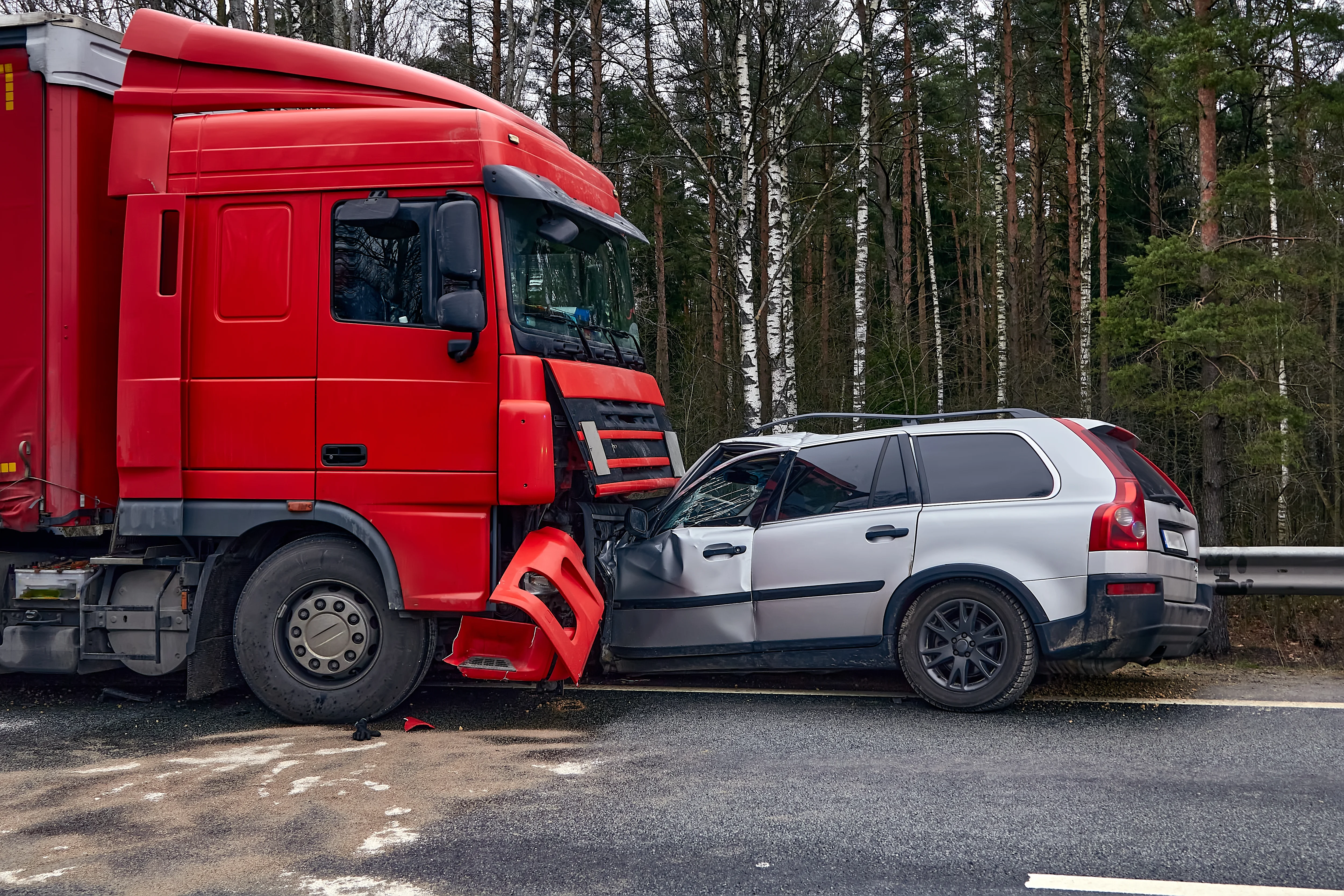
A big rig crash is a very serious accident because the vehicle’s size can cause devastating damage to other vehicles and injuries to the people around the incident. A sudden lane movement, overloaded trailer, brake problem, or rushed freight schedule can put people in smaller vehicles at serious risk before they have any chance to react. Big rig accident lawyers in Boise can investigate those details and determine how the crash happened before the trucking company’s version becomes the main story.
Goldberg & Loren handles Boise big rig crash claims involving severe injuries, disputed fault, corporate insurance pressure, and trucking records that are not easy to obtain without legal action. Your claim may depend on what the truck was carrying, who controlled the route, how the driver was supervised, and what safety issues existed before impact. We are here to make this process clear and help you with every step throughout the legal process. Call Goldberg & Loren at (208) 886-1120 for a free consultation of your specific big rig accident claim.

Catastrophic Injuries and Damages in Boise Big Rig Accidents
A big rig crash can cause injuries that change the entire direction of a person’s life. Boise accident victims may search for help with traumatic brain injuries, spinal cord injuries, broken bones, internal injuries, wrongful death claims, and long-term disability after a truck crash. These injuries often require emergency care, surgery, rehabilitation, specialist treatment, and months away from work. Goldberg & Loren help connect the medical evidence to the commercial truck collision and the damages being claimed. The financial impact may include hospital bills, lost wages, reduced earning capacity, future care, and pain that affects daily living. A catastrophic injury claim should reflect the full human cost of the crash.
Damages in a Boise big rig accident case should account for more than the first medical bill or vehicle repair estimate. A person injured by a commercial truck may need physical therapy, home modifications, mobility equipment, medication, transportation support, and ongoing medical evaluations. Attorneys review the injury record, work limitations, treatment plan, and future care concerns before settlement discussions become final. This matters because trucking insurers may value a claim too early, especially when symptoms and future needs are still developing. A serious injury claim needs documentation that explains what recovery will actually require. The value of the case should match the long-term disruption caused by the crash.
Traumatic Brain Injuries After a Big Rig Crash
A traumatic brain injury after a big rig crash can affect memory, focus, balance, mood, sleep, and the ability to work. Some symptoms appear immediately, while others become more noticeable after the shock of the collision fades. Medical records, imaging, neurological evaluations, and therapy notes can help show how the brain injury developed. Attorneys can review those records against the crash evidence and the force of impact. Brain injury damages should include both medical care and daily cognitive changes.
Concussion Symptoms Should Be Documented Early
Concussion symptoms may include headaches, dizziness, confusion, nausea, light sensitivity, and trouble concentrating. Early documentation helps connect those symptoms to the truck crash before insurers question timing. Follow-up care can show whether symptoms continued or worsened.
Neurological Care Can Shape Claim Value
Neurological care can identify problems that basic emergency records may miss. Specialist findings may support future treatment, work restrictions, and long-term recovery needs. Those records can make brain injury claims harder to undervalue.
Spinal Cord and Back Injuries
Spinal cord and back injuries can affect movement, strength, sensation, posture, and independence after a big rig collision. These injuries may involve herniated discs, fractured vertebrae, nerve compression, paralysis, or chronic pain. Treatment may require imaging, injections, surgery, therapy, pain management, or assistive devices. Big rig accident lawyers in Boise can help document how the spinal injury affects work, mobility, sleep, and daily responsibilities. A back injury claim should explain both the diagnosis and the functional limits.
Imaging Can Reveal Hidden Spinal Damage
Imaging can show disc injuries, fractures, swelling, nerve pressure, and other internal damage. These findings may explain pain that is not visible from the outside. Objective imaging can strengthen the medical foundation of the claim.
Mobility Limits Can Affect Daily Life
Mobility limits may change how someone walks, drives, works, sleeps, or handles household tasks. These restrictions can create financial pressure and personal dependence during recovery. Practical examples can show the real effect of spinal trauma.
Broken Bones and Orthopedic Trauma
Broken bones are common in high-impact big rig crashes because smaller vehicles absorb extreme force during the collision. Fractures may affect the arms, wrists, ribs, hips, legs, ankles, shoulders, or facial bones. Orthopedic injuries may require surgery, hardware placement, casting, therapy, and extended recovery time. Attorneys review surgical records, imaging, therapy notes, and work restrictions to show how the injury changed the victim’s life. Fracture claims should not be reduced to the first hospital bill.
Surgery Records Can Show Injury Severity
Surgery records can explain the seriousness of fractures, joint damage, and repair procedures. Hardware placement, post-operative restrictions, and rehabilitation plans may show why recovery takes months. These records can support damages for both current and future losses.
Therapy Notes Can Track Recovery Progress
Therapy notes can document strength limits, range of motion, pain levels, and functional improvement. These updates help show whether the injury continues affecting movement and work. Rehabilitation records can protect the value of ongoing recovery.
Wrongful Death and Permanent Disability Damages
Some Boise big rig accidents cause fatal injuries or permanent disabilities that change a family’s future. A wrongful death claim may involve funeral expenses, lost financial support, medical care before death, companionship loss, and the emotional effect on surviving family members. Permanent disability damages may involve reduced earning ability, future treatment, home care, medical equipment, and lasting pain. Big rig accident lawyers in Boise can help organize these losses so the claim reflects the full consequences of the crash. Severe truck crash damages require careful proof before any resolution.
Family Losses Need Detailed Documentation
Family losses can include income support, household contributions, guidance, companionship, and practical help the person provided. These details help explain the real impact of a fatal truck crash. Documentation can make wrongful death damages more complete.
Future Care Costs Should Be Reviewed
Future care costs may include therapy, medication, home modifications, transportation support, and medical equipment. These needs should be evaluated before settlement decisions close the claim. Long-term planning can protect recovery after permanent disability.
How Boise Big Rig Crash Claims Reveal Corporate Responsibility
A big rig crash often exposes decisions made far from the crash scene. Corporate responsibility may begin with a route plan, hiring choice, repair delay, freight deadline, or safety policy that placed an unsafe truck in Boise traffic. Big rig accident lawyers in Boise look at those business decisions because a police report rarely explains the full trucking operation behind the collision. The driver’s final maneuver matters, but the company systems behind that maneuver may matter just as much. When records show preventable choices, responsibility can reach beyond the person holding the steering wheel.
Goldberg & Loren examines big rig claims through the documents that trucking companies create during normal operations. Driver files, dispatch messages, maintenance records, cargo documents, insurance materials, and safety policies may reveal how the danger developed. This type of review helps show whether the crash resulted from a momentary mistake or a pattern of unsafe business conduct. Commercial defendants often try to isolate the crash from the company decisions that shaped it. A stronger claim connects corporate conduct to the harm suffered by the injured person.
Dispatch Decisions Can Create Unsafe Road Pressure
Dispatch decisions can affect how a big rig moves through Boise before any collision occurs. Delivery windows, route timing, weather delays, loading problems, and traffic congestion all influence whether a schedule is realistic. A company that pressures a driver to keep moving despite fatigue or road hazards creates risk for everyone nearby. Big rig accident lawyers in Boise review dispatch records to determine whether business demands contributed to unsafe driving. Corporate responsibility becomes clearer when timing pressure appears in the records.
Route Messages Can Reveal Company Priorities
Route messages may show whether the company emphasized speed, delivery timing, or continued movement despite known delays. Those communications can explain why the driver made risky choices before impact. Written instructions often reveal pressure that verbal explanations avoid.
Delivery Pressure Can Affect Driver Judgment
Delivery pressure can make a driver overlook rest, weather, congestion, or equipment concerns. A tired or rushed driver has less time to react safely. Timing evidence can connect business demands to crash risk.
Safety Policies Can Show Preventable Company Failures
A trucking company’s written policies can reveal what it expected from drivers, mechanics, supervisors, and dispatchers. Strong policies mean little when the company fails to train employees, enforce inspections, or correct unsafe habits. Goldberg & Loren reviews safety materials against actual company conduct to determine whether rules existed only on paper. A crash may reveal that the company ignored warning signs before the collision happened. Corporate responsibility grows stronger when policy and practice do not match.
Training Records Can Expose Weak Oversight
Training records may show whether the driver received proper instruction for turns, braking, blind spots, inspections, and cargo checks. Missing or incomplete training can explain preventable mistakes behind the wheel. Poor oversight can place an unprepared driver in dangerous conditions.
Prior Violations Can Strengthen Accountability
Prior violations may show repeated problems with speed, fatigue, maintenance, or unsafe operation. A company that ignores those warning signs increases the risk of another crash. Pattern evidence can make corporate fault harder to deny.
Maintenance Choices Can Point to Corporate Neglect
Maintenance choices often reveal whether the truck should have been on the road at all. Worn brakes, weak tires, steering problems, lighting defects, and trailer issues can turn ordinary traffic changes into serious crashes. Big rig accident lawyers in Boise review repair history to determine whether the company delayed service or ignored safety warnings. A mechanical problem does not always happen suddenly or without warning. Corporate neglect becomes easier to prove when records show unresolved defects.
Service Records Can Track Known Defects
Service records can show when a defect was reported, inspected, repaired, or left unresolved. Those dates help establish whether the company had enough time to fix the problem. Maintenance timelines can reveal choices made before impact.
Equipment Failures Can Explain Crash Severity
Equipment failures can increase stopping distance, reduce control, or prevent the driver from responding safely. Brake, tire, and steering evidence may explain why the crash became so severe. Mechanical proof can connect company neglect to the collision.
Corporate Records Can Expand the Claim
Corporate records can identify parties that are not obvious immediately after a big rig crash. A carrier, broker, shipper, loader, trailer owner, or repair vendor may have controlled part of the trip. Contracts and operational documents can show who handled the freight, assigned the route, maintained the truck, or supervised the driver. Goldberg & Loren reviews those relationships so the claim does not leave responsible businesses out. A complete claim follows control wherever the records lead.
Contracts Can Identify Hidden Responsibility
Contracts may reveal which company controlled the driver, truck, trailer, freight, route, or delivery schedule. Those relationships may not appear in the first crash report. Contract review can uncover businesses that shaped the danger.
Insurance Layers Should Reflect Corporate Fault
Insurance coverage should match every responsible party connected to the crash. Serious injuries may require more than one policy to address medical care, lost income, and future losses. Corporate fault analysis can protect broader recovery options.

The Approach Goldberg & Loren Uses for Big Rig Claims in Boise
Goldberg & Loren approaches Boise big rig claims by studying the collision as both a crash event and a business failure. A large truck does not enter the road by accident, since companies choose the driver, route, load, maintenance schedule, supervision process, and insurance structure before the trip begins. Big rig accident lawyers in Boise can use those details to understand how the truck became dangerous and why the injured person should not carry the cost alone. This approach avoids treating the case like a basic traffic claim with a larger vehicle involved. Every part of the claim should explain how commercial choices created real harm.
The firm also looks at how the crash changed the injured person’s medical future, work capacity, family responsibilities, and ability to move through daily life. A big rig collision may create injuries and losses that continue long after the damaged vehicles are removed. Goldberg & Loren builds the claim around the records, witnesses, medical proof, and financial documentation that show the full effect of the crash. That preparation matters when insurers try to separate the truck’s business history from the human consequences of the collision. A stronger case connects every important fact to accountability and recovery.
Turning Commercial Records Into Case Direction
Commercial records can turn a confusing big rig crash into a claim with a stronger direction. Dispatch messages, inspection reports, maintenance files, driver materials, cargo documents, and insurance records may each explain a different part of the collision. Big rig accident lawyers in Boise can review those materials to identify what caused the crash and which parties may share responsibility. Goldberg & Loren uses those records to move the case beyond surface-level explanations from the driver or insurer. Case direction improves when business documents reveal preventable danger.
Records Can Reveal the Real Crash Story
A crash report may describe impact location, vehicle positions, and basic witness statements. Commercial records can explain what happened before the truck reached Boise traffic. Those deeper records may reveal pressure, neglect, poor planning, or unsafe equipment.
Missing Documents Can Signal Larger Problems
Missing documents can raise questions about what the trucking company failed to preserve. Gaps in logs, repairs, cargo files, or dispatch notes may justify deeper investigation. Incomplete records can become important when the defense story feels too convenient.
Matching Crash Mechanics With Injury Consequences
Crash mechanics help explain why a big rig collision caused serious physical harm. The truck’s speed, weight, angle of impact, braking pattern, trailer movement, and cargo condition may all affect injury severity. Goldberg & Loren reviews those details alongside medical records so the claim connects the force of the crash to the damage suffered. This matters when insurers try to separate injury complaints from the violence of the collision. Medical proof becomes stronger when it matches the mechanics of impact.
Impact Details Can Support Severe Injury Claims
Impact details may show why the injuries required emergency treatment, surgery, therapy, or long-term care. Vehicle crush patterns, debris fields, and truck data can explain the force involved. Those facts help make serious injuries harder to minimize.
Medical Records Should Reflect the Collision Force
Medical records should show diagnoses, treatment needs, restrictions, and recovery changes after the crash. Those records become more persuasive when they align with the physical evidence. A well-supported claim links the crash mechanics to the injury timeline.
Building Pressure Before Insurers Define Value
Insurance companies may try to value a big rig claim before the injured person understands the full recovery picture. Early offers can ignore future care, work limitations, pain, family disruption, and evidence still controlled by trucking companies. Big rig accident lawyers in Boise can help organize the claim before the insurer frames the case too narrowly. Goldberg & Loren builds pressure by presenting liability evidence, commercial records, medical documentation, and financial losses together. Settlement value should come from complete proof, not insurer convenience.
Prepared Evidence Can Change Negotiations
Prepared evidence gives negotiations more structure and less room for speculation. Insurers face greater pressure when records support liability, damages, and future losses. A documented claim can make low offers harder to defend.
Claim Value Should Follow the Full Record
Claim value should reflect every record that explains fault and recovery. That includes trucking documents, medical proof, wage records, and long-term care concerns. A complete record helps prevent the case from being undervalued.
Call Goldberg & Loren Today to Get a Free Case Review
A big rig crash can leave you facing decisions that feel too important to make with incomplete information and without early professional legal guidance. Commercial records, crash mechanics, medical updates, and insurance pressure can all affect what your claim may be worth. Goldberg & Loren can review the facts behind the collision and explain what should happen before the trucking company controls the direction of the case. Big rig accident lawyers in Boise can help you pursue a claim built around proof, accountability, and recovery.
Our firm can examine the truck’s operation, the companies involved, your current injury records, and the losses affecting your future. A serious Boise truck crash deserves legal attention before evidence disappears or low offers come as settlement offers. Call Goldberg & Loren at (208) 886-1120 or visit our contact page for a free consultation today.
Practice Areas
Trust Us With Your Personal Injury Claim
If you or a loved one have been injured, Goldberg & Loren will fight for you every step of the way. We will give our all to secure the compensation you rightfully deserve.




Contact usfor a free consultation.
Phone: (208) 886-1120