Motorcycle Accident Lawyers in Idaho Falls
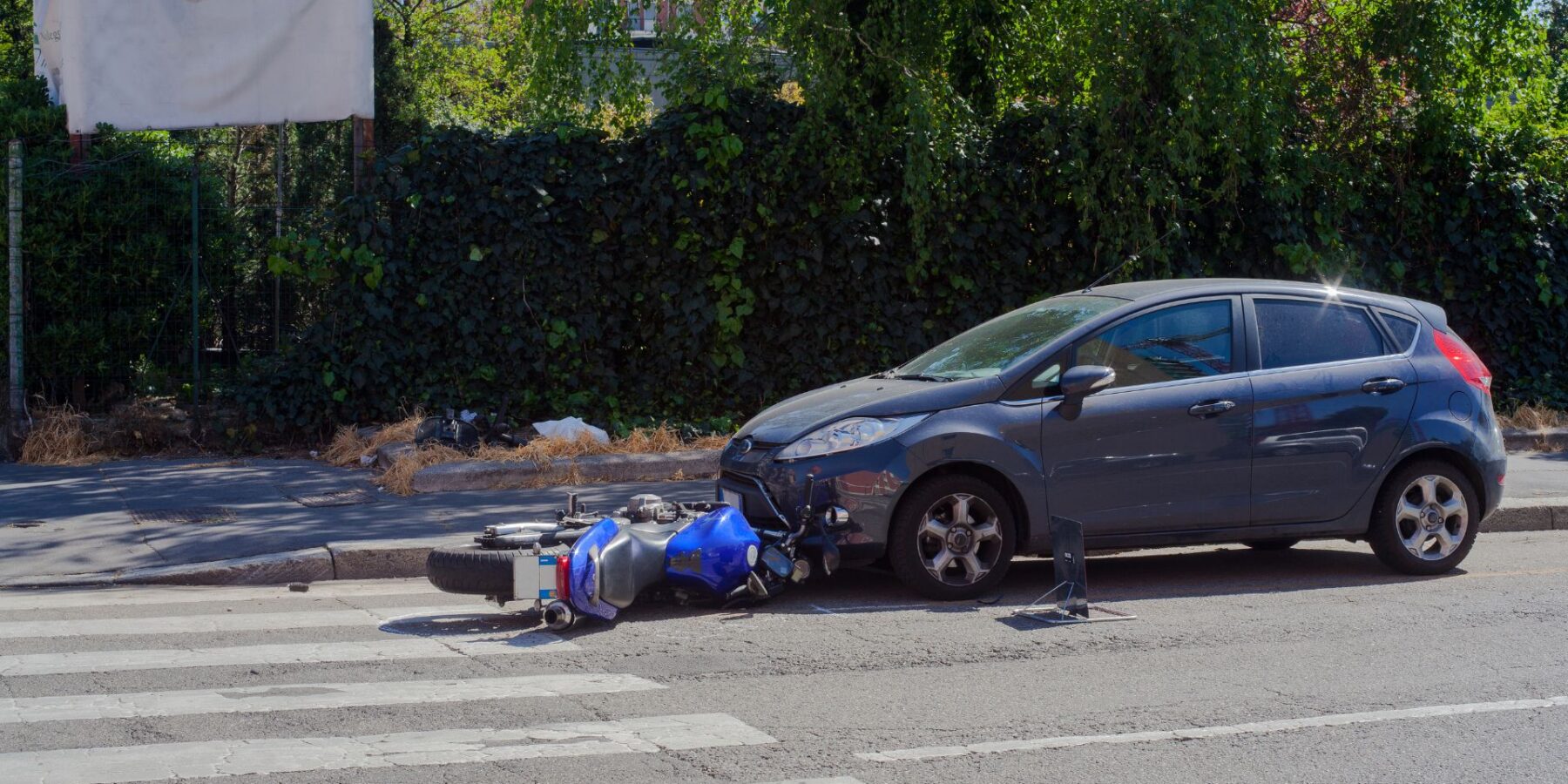
A motorcycle crash in Idaho Falls can be drastic for the rider due to the force of impact from the little protection they have on the road. Your body takes the impact directly, your bike may be unusable, and the insurance company may start asking questions before you understand how badly you were hurt. Motorcycle accident lawyers in Idaho Falls can protect your claim when pain, damaged gear, missed work, and unfair assumptions about riders start shaping the case.
Goldberg & Loren helps injured motorcyclists build claims with facts instead of blame. That means reviewing the driver’s actions, crash evidence, medical treatment, motorcycle damage, and the ways the collision changed your daily life for the long-term. Call Goldberg & Loren at (208) 886-1120 for a free consultation from our motorcycle accident lawyers in Idaho Falls who understand how quickly rider blame affects a case.

How Motorcycle Crash Fault Gets Proven When Riders Are Blamed
Fault disputes after a motorcycle crash often begin with assumptions about the rider instead of facts about the driver. Insurers might focus on speed, lane position, visibility, or gear before reviewing what the driver actually did before impact. Motorcycle accident lawyers in Idaho Falls respond by comparing the driver’s claims against photos, witness accounts, vehicle damage, medical records, and crash reports. Goldberg & Loren reviews those details early so rider blame does not replace the evidence. A fair claim starts with proof, not stereotypes.
A motorcycle collision deserves careful review because riders face serious injuries with far less protection than people inside vehicles. The claim must explain how the driver behaved, where the motorcycle was positioned, and what physical evidence supports the rider’s account. Idaho’s comparative fault rules make this especially important because assigned blame affects compensation. Insurance companies often use uncertainty to reduce the value of a valid injury claim. Strong fault proof protects the rider from unfair blame.
Speed Claims Need More Than Rider Stereotypes
Speed accusations often appear quickly after a motorcycle crash, even when no reliable proof supports them. A driver or insurer might assume a rider was speeding because the injuries were severe, the motorcycle damage looked dramatic, or the driver never saw the rider in time. Motorcycle accident lawyers in Idaho Falls review impact points, braking evidence, debris patterns, witness observations, vehicle damage, and police details before accepting any speed argument. This review matters because severe injuries do not automatically prove reckless riding. Speed claims deserve evidence before they reduce a rider’s compensation.
Impact Details Help Test Speed Allegations
Impact details give the speed argument a factual starting point instead of letting assumptions control the discussion. Damage location, debris patterns, braking evidence, and final vehicle positions help show how the collision unfolded. Those facts keep unsupported speed claims from shaping fault unfairly.
Witness Accounts Add Context to Rider Speed
Witnesses often remember movement before impact more clearly than injured riders because they saw the crash from outside the collision. Their observations about braking, traffic flow, vehicle spacing, and driver behavior help test speed claims. Outside accounts give the rider’s position stronger support when insurers rely on assumptions.
Visibility Disputes Should Focus on Driver Awareness
Visibility arguments often shift attention away from the driver’s responsibility to look carefully. A driver who says they did not see the motorcycle still needs an explanation for missed mirrors, poor scanning, unsafe turns, or delayed reactions. The claim review should examine lighting, traffic movement, vehicle position, driver attention, and the line of sight before impact. That review prevents the insurer from treating missed visibility as an automatic excuse. Driver awareness remains central to motorcycle crash fault.
Missed Mirrors Reveal Driver Attention Problems
Mirror use matters when drivers change lanes, turn, or merge near motorcycles. A missed mirror check often explains why a rider entered danger without warning or space to react. That detail strengthens the argument against careless driving when visibility becomes disputed.
Sightlines Show What the Driver Should Have Seen
Sightlines help determine whether the motorcycle was visible before impact. Vehicle position, traffic spacing, lighting, road layout, and nearby obstructions all shape that review. Clear sightline evidence weakens excuses built around a driver’s claimed lack of awareness.
Lane Position Evidence Helps Reconstruct the Crash
Lane position affects how insurers describe rider responsibility after a motorcycle collision. A rider’s placement within the lane might reflect traffic conditions, road hazards, vehicle movement, visibility needs, or a defensive riding response. The investigation should compare lane evidence with photos, witness statements, damage location, road conditions, and the driver’s explanation. This matters when insurers describe normal motorcycle positioning as unsafe behavior. Accurate placement keeps the claim grounded in the real crash sequence.
Road Conditions Explain Rider Positioning Choices
Road conditions often affect where a rider safely travels within a lane. Gravel, debris, uneven pavement, stopped traffic, or nearby vehicles might explain why the rider adjusted position before impact. Those facts prevent insurers from oversimplifying rider movement or treating normal riding choices as fault.
Vehicle Contact Points Clarify Crash Movement
Contact points show how the motorcycle and vehicle came together during the collision. Side impact, front-corner damage, scrape marks, broken components, and impact height help reconstruct movement. Physical evidence gives lane disputes stronger direction when driver statements conflict.
Protective Gear Questions Do Not Prove Fault
Protective gear might affect injury severity, but it does not decide who caused the crash. Insurers sometimes focus on helmets, jackets, boots, or gloves to distract from the driver’s unsafe conduct. Fault still depends on the choices that created the collision, including turning, yielding, following distance, distraction, braking, and lane movement. Gear questions should never replace evidence about how impact happened. Responsibility belongs with the conduct that caused the crash.
Injury Severity Should Not Become Rider Blame
Serious injuries do not prove the rider acted carelessly or caused the collision. Motorcyclists face direct impact from vehicles, pavement, and surrounding objects during crashes, which makes severe harm more likely. The injury discussion should remain separate from unsupported fault claims about rider behavior.
Gear Damage Supports the Injury Record
Damaged gear often confirms the force and direction of the collision. Helmets, jackets, gloves, boots, and riding pants reveal impact areas, sliding damage, and physical trauma. That evidence supports damages while keeping fault focused on driver conduct.
Crash Evidence Answers Unfair Rider Blame
Crash evidence gives the rider a stronger response when an insurer pushes blame without support. Photos, repair records, witness statements, police details, medical documentation, and insurance communications each address a different part of the collision. A strong review tests whether the insurer’s theory matches the physical proof and the sequence of events. This work matters when blame arguments rely on assumptions instead of documented facts. Evidence keeps the claim focused on what actually happened.
Repair Records Strengthen the Fault Review
Repair records show more than the cost of motorcycle damage after the crash. Parts lists, frame concerns, wheel damage, handlebar damage, and inspection notes help explain impact force. Those records connect physical damage to the crash sequence when fault remains disputed.
Strong Documentation Protects Rider Recovery
Strong documentation reduces the power of unfair blame arguments during the claim. Medical records, photos, witness statements, repair documents, and insurance letters give the case needed stability. A documented claim places facts ahead of assumptions when compensation gets evaluated.
What Motorcycle Accident Compensation Covers After an Idaho Falls Crash
Motorcycle accident compensation should reflect the full cost of being injured, not only the first medical bill. Riders often face emergency care, follow-up treatment, missed income, damaged gear, motorcycle repairs, pain, and daily limits after impact. Motorcycle accident lawyers in Idaho Falls review these losses together so the claim does not become smaller than the recovery actually requires. Insurance companies often separate damages into narrow categories that leave important consequences out. A complete compensation review gives the rider a stronger financial picture.
The value of a motorcycle claim depends on documentation, treatment progress, work disruption, and the long-term effect of the injuries. Severe crashes often leave riders dealing with pain during movement, sleep problems, reduced independence, and fear about riding again. Those losses deserve attention when they are supported by medical records, repair documents, work notes, and personal recovery details. A settlement should account for what the crash changed across health, income, property, and routine. Strong documentation helps protect the rider from an incomplete valuation.
Medical Treatment and Future Recovery Costs
Medical costs often continue long after the first emergency visit. A rider might need imaging, surgery discussions, wound care, orthopedic treatment, physical therapy, medication, injections, or specialist appointments during recovery. Motorcycle accident lawyers in Idaho Falls review treatment records to understand what care already happened and what care still remains ahead. This review becomes important when an insurer tries to value the claim before the rider reaches medical stability. Future care deserves attention before any settlement closes the claim permanently.
Treatment Records Show the Recovery Path Clearly
Treatment records explain how the rider’s injuries developed over time. Emergency notes, therapy updates, specialist findings, and medication changes create a clearer medical timeline. That timeline helps show why compensation must reflect ongoing recovery.
Future Care Changes the Settlement Calculation
Future care affects the claim before negotiations become final. Additional therapy, testing, injections, or specialist treatment adds costs beyond current bills. Those projected needs belong inside the settlement review.
Lost Income and Work Restrictions After the Collision
Lost income becomes a serious concern when pain, medical appointments, or physical restrictions interrupt work. A rider might miss shifts, lose overtime, reduce hours, or return with limits that affect normal duties. Pay records, employer notes, medical restrictions, and schedules help show how the crash damaged earnings. This documentation matters when insurers question whether time away from work was truly necessary. Wage loss deserves a detailed review before compensation gets discussed.
Work Limits Connect Injuries to Missed Pay
Work restrictions explain why the rider could not perform regular job duties. Lifting limits, driving restrictions, standing limits, and medication effects all affect earning ability. Clear records connect the physical injury to financial loss.
Reduced Earnings Need More Than Pay Stubs
Reduced earnings sometimes continue after the rider returns to work. Lost overtime, lighter duties, fewer shifts, and lower productivity all change income. Employer documentation gives those losses stronger support during valuation.
Motorcycle Damage, Gear Loss, and Daily Disruption
Motorcycle damage is part of the claim, but property loss tells only part of the story. A damaged bike affects transportation, independence, commuting, errands, and the rider’s ability to return to normal routines. Damaged helmets, jackets, gloves, boots, and riding pants also deserve review because protective gear often absorbs impact. Daily disruption adds another layer when injuries affect sleep, movement, family responsibilities, and confidence on the road. Compensation should reflect the full interruption caused by the crash.
Damaged Gear Supports the Injury Picture
Damaged gear often shows where impact affected the rider’s body. A cracked helmet, torn jacket, scraped gloves, or damaged boots provides useful recovery context. Gear evidence strengthens damages without replacing medical documentation.
Daily Disruption Gives the Claim Human Weight
Daily disruption explains what changed outside medical appointments. Pain while sleeping, driving, walking, working, or handling home responsibilities affects recovery. Those details help show the crash’s real impact.

Why You Should Choose Goldberg & Loren for Your Motorcycle Accident Claim
Goldberg & Loren understands that a motorcycle crash is not a routine injury claim. Riders face direct impact, serious medical treatment, damaged gear, lost income, and insurance arguments that often begin with unfair assumptions. The firm looks at the crash from the rider’s position, then builds the claim around evidence, recovery, and the full cost of the collision. That approach matters when insurers question speed, visibility, lane placement, or injury severity. A stronger claim starts with a legal team that understands rider-specific challenges.
Goldberg & Loren reviews the facts that matter most after a serious motorcycle collision, including driver conduct, impact evidence, treatment records, damaged equipment, and the losses that followed. The firm also considers how the crash affected work, transportation, sleep, confidence, mobility, and daily independence. Motorcycle accident lawyers in Idaho Falls need to present those details clearly before settlement pressure begins. A motorcycle injury claim deserves more than a quick insurance summary. Your recovery deserves careful attention from the beginning.
Rider Bias Requires a Stronger Legal Response
Insurance companies sometimes treat motorcyclists differently before the evidence receives a fair review. Speed assumptions, visibility arguments, and gear questions often appear early in the claim, especially when the crash caused serious injuries. Goldberg & Loren answers those arguments with crash photos, witness accounts, medical records, damaged gear, repair documents, and physical damage evidence. The goal is to keep the claim focused on what caused the crash, how the driver acted, and what the rider lost afterward. Facts give injured motorcyclists a stronger position during negotiations.
Assumptions About Riders Need Evidence-Based Answers
Rider blame loses force when the evidence tells a different story about the crash. Photos, statements, impact details, and repair records can show that the rider’s conduct was not the cause. A focused response keeps bias from shaping compensation before the facts receive proper weight.
Driver Conduct Stays Central to the Claim
Driver choices remain the foundation of the fault review after a motorcycle collision. Unsafe turns, poor scanning, distraction, delayed reactions, and failure to yield deserve direct attention. Responsibility belongs with the conduct that created impact, not assumptions about motorcycles.
Serious Injuries Deserve Complete Documentation
Motorcycle crashes often cause injuries that affect far more than the first medical bill. Road rash, fractures, head pain, nerve symptoms, back injuries, and shoulder damage can affect work, sleep, movement, and transportation for weeks or months. Goldberg & Loren reviews treatment records to show how the injuries developed and what recovery still requires. This matters when insurers try to describe severe harm as temporary discomfort or unrelated pain. Complete medical proof gives the claim stronger value.
Treatment Records Show the Recovery Burden
Medical records explain what the rider endured after impact and how treatment progressed. Emergency care, therapy, imaging, medication, referrals, and follow-up appointments create an important timeline. That record protects the claim from being minimized when insurers question injury severity.
Future Care Belongs in Settlement Review
Recovery sometimes continues after negotiations begin, especially when injuries remain painful or unstable. Specialist visits, therapy needs, injections, additional testing, or surgical discussions affect claim value. Future treatment deserves attention before settlement closes and later bills become harder to recover.
Damaged Gear and Bike Loss Matter
A motorcycle crash often damages more than the rider’s body. The bike, helmet, jacket, gloves, boots, and riding equipment all help explain the force of the collision and the practical disruption afterward. Motorcycle accident lawyers in Idaho Falls review those losses because damaged equipment supports both property value and injury context. Gear damage also shows how impact moved across the rider’s body during the collision. Those details add practical depth to the claim.
Motorcycle Repairs Add Crash Context
Repair records show how the collision affected the motorcycle beyond the final cost. Frame concerns, wheel damage, handlebar damage, and parts replacement reveal the severity of impact. Those details support the rider’s injury account when insurers try to minimize the crash.
Gear Damage Shows Impact Areas
Damaged gear often marks where the rider absorbed force during the collision. Scraped helmets, torn jackets, damaged gloves, boots, and riding pants tell an important story. That evidence strengthens the damages presentation while keeping the focus on physical impact.
Settlement Review Needs Rider-Focused Strategy
A motorcycle claim should not be valued through the same lens as a minor vehicle crash. The injuries, equipment losses, transportation disruption, emotional strain, and riding-related trauma often require closer review. Motorcycle accident lawyers in Idaho Falls prepare the claim so settlement discussions reflect the rider’s full recovery picture instead of a narrow insurance calculation. That work matters when early offers ignore pain, lost work, future care, damaged gear, or fear of riding again. A careful strategy protects the rider from accepting less than the claim deserves.
Early Offers Often Miss Important Losses
Fast offers usually arrive before recovery becomes clear or treatment reaches a stable point. Medical needs, wage loss, gear damage, motorcycle repairs, future care, and pain deserve full review before acceptance. Settlement timing affects the rider’s financial recovery long after paperwork is signed.
Careful Review Protects Final Decisions
A signed release usually ends the claim and limits later recovery options. Later bills, unresolved symptoms, and missed income create financial risk after settlement if losses were not fully counted. Legal review gives riders stronger decision-making power before the final agreement.
Reach Out to Goldberg & Loren Today to Get Help With Your Motorcycle Accident Claim
A motorcycle crash leaves a rider with losses that do not fit neatly into an insurance form. The bike, the gear, the missed work, the long-term pain, and the insurer’s blame arguments all need careful review. Those details deserve a claim built with care, rather than a rushed settlement connected to an incomplete recovery. Your injuries, equipment damage, and daily limitations should be reviewed together before settlement begins.
Goldberg & Loren is ready to review the crash, the driver’s conduct, your treatment, your damaged equipment, and the losses that changed your routine. A serious rider injury deserves legal attention that understands how quickly motorcyclists assumptions can affect compensation. If you need a motorcycle accident lawyer in Idaho Falls, call Goldberg & Loren at (208) 886-1120 or visit our contact page today for a free case review.
Practice Areas
Trust Us With Your Personal Injury Claim
If you or a loved one have been injured, Goldberg & Loren will fight for you every step of the way. We will give our all to secure the compensation you rightfully deserve.






Contact usfor a free consultation.
Phone: (208) 886-1120