Bicycle Accident Lawyers in Boise
A bicycle crash in Boise does not leave much protection between you and the road, which can leave you with severe, long-lasting injuries. One careless turn or distracted driver can leave you dealing with painful injuries, a damaged bike, missed work, and questions about who will pay for treatment. Bicycle accident lawyers in Boise help injured cyclists prove what happened and push back when drivers or insurers try to minimize the harm. Your claim should reflect the risk you faced and the recovery you now have to manage short-term and long-term.
Goldberg & Loren represents cyclists hurt by negligent drivers across Boise, Idaho. The firm reviews road conditions, driver behavior, medical records, and insurance issues to build a claim around evidence instead of assumptions. You should not have to explain why your injuries matter while an insurer treats the crash like a minor traffic incident. If you want help pursuing the compensation that you deserve, call Goldberg & Loren at (208) 886-1120 to speak with our bicycle accident lawyers in Boise today.
What Injured Cyclists Should Do After a Boise Crash
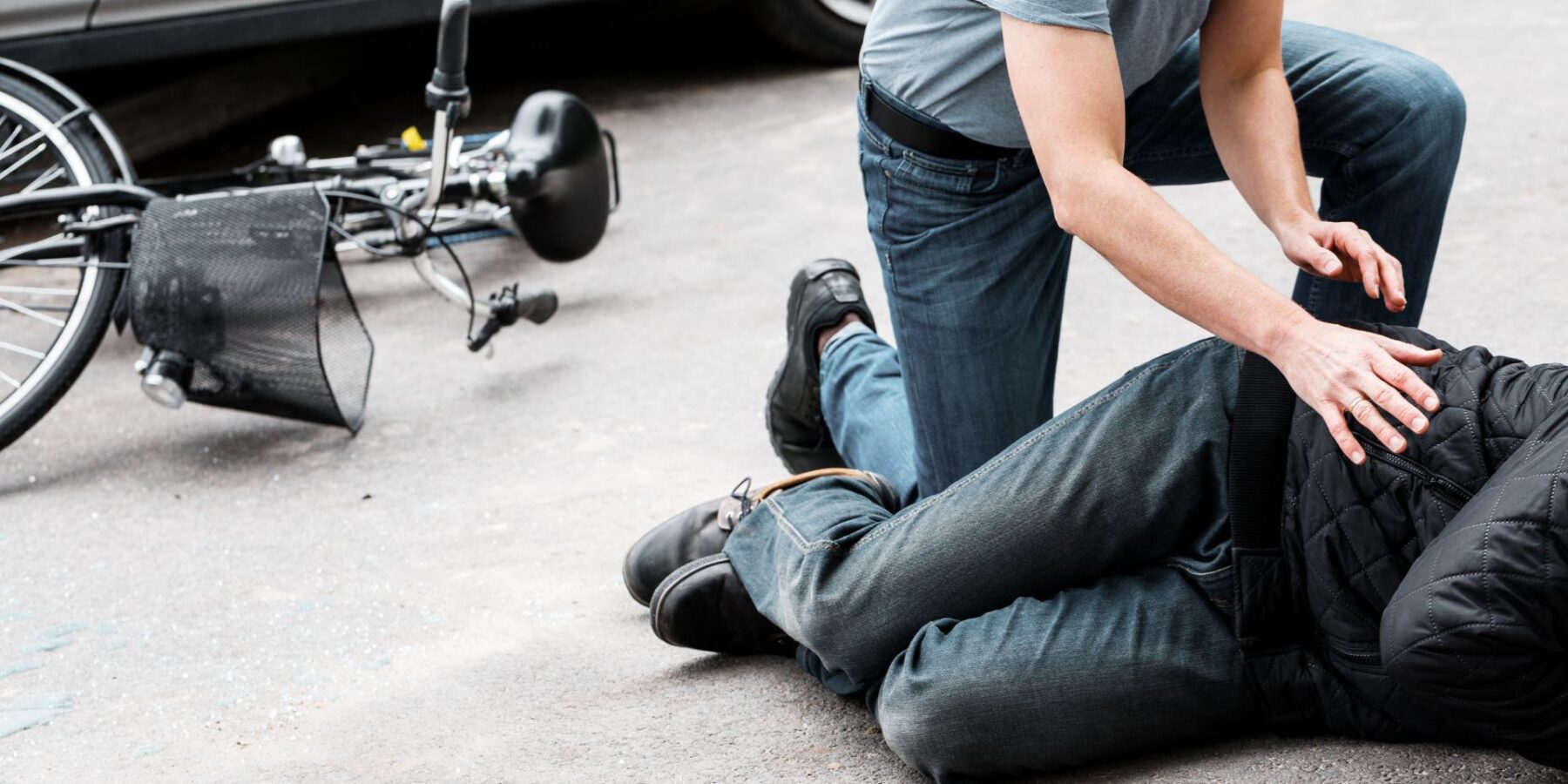
A bicycle crash can leave you disoriented, exposed to traffic, and unsure whether the driver will admit what happened. Move out of the roadway if you can do so safely, then check for injuries before discussing fault. Goldberg & Loren reviews early scene details because bike position, road markings, traffic controls, and driver statements can change the claim. Your bicycle, helmet, lights, clothing, and damaged gear should be preserved instead of being repaired or thrown away. Those items may later show impact direction, force, visibility, and injury severity.
Calling 911 creates an official record and brings medical help when injuries are present. Even soreness, dizziness, shoulder pain, knee pain, wrist pain, or road rash deserves medical attention after a bicycle impact. Photos of the bike, vehicle, intersection, lane markings, debris, injuries, and driver information can protect details that disappear quickly. Witness names matter because independent accounts often clarify unsafe turns, close passes, dooring incidents, or distracted driving. Early action gives the claim stronger support before insurance arguments begin.
Move Out of Traffic Without Losing Key Details
Cyclists face extra danger after an impact because they may land near moving vehicles, broken glass, or an unstable bike lane. Getting to a sidewalk, shoulder, parking lot, or nearby safe area should come before any argument with the driver. If injuries prevent movement, waiting for emergency responders is safer than worsening a head, neck, back, or limb injury. Once safe, try to remember where the bicycle landed, where the vehicle stopped, and which direction each person was traveling. Those location details often become important when fault is disputed.
Bike Position After Impact Shows Collision Movement
The bicycle’s resting position can reveal how the impact pushed the rider and equipment across the roadway. A bike found near a crosswalk, curb, driveway, or turn lane may support the rider’s account of movement before contact. Photos should capture the bicycle before anyone changes its position.
Roadway Debris Patterns Add Physical Context
Broken reflectors, scattered bike parts, glass, and damaged accessories help explain where the collision occurred. Debris patterns may support the rider’s version when a driver later changes their story. Scene photos should include wide views and close-up details.
Call Police and Request a Crash Report
A police response gives the bicycle crash an official record instead of leaving the claim dependent on driver statements alone. Officers can document vehicle information, insurance details, visible injuries, witness names, road conditions, and any citations issued. A report becomes especially important when the driver claims the cyclist came out of nowhere or ignored traffic controls. Injured cyclists should explain pain, direction of travel, signal use, lane position, and driver conduct as clearly as possible. Accurate reporting helps prevent early facts from being shaped unfairly.
Driver Admissions Belong in the Report
A driver might apologize, admit distraction, mention a missed stop, or acknowledge not seeing the cyclist. Those statements matter because they can become harder to prove later without an official record. Tell responding officers about any admission before the scene clears.
Witness Contact Details Protect Independent Accounts
Witnesses may leave quickly unless someone records their names and phone numbers. Their accounts can confirm unsafe passing, dooring, turning, speeding, or distraction. Independent details often carry weight when insurance companies dispute fault.
Preserve the Bicycle, Helmet, and Riding Gear
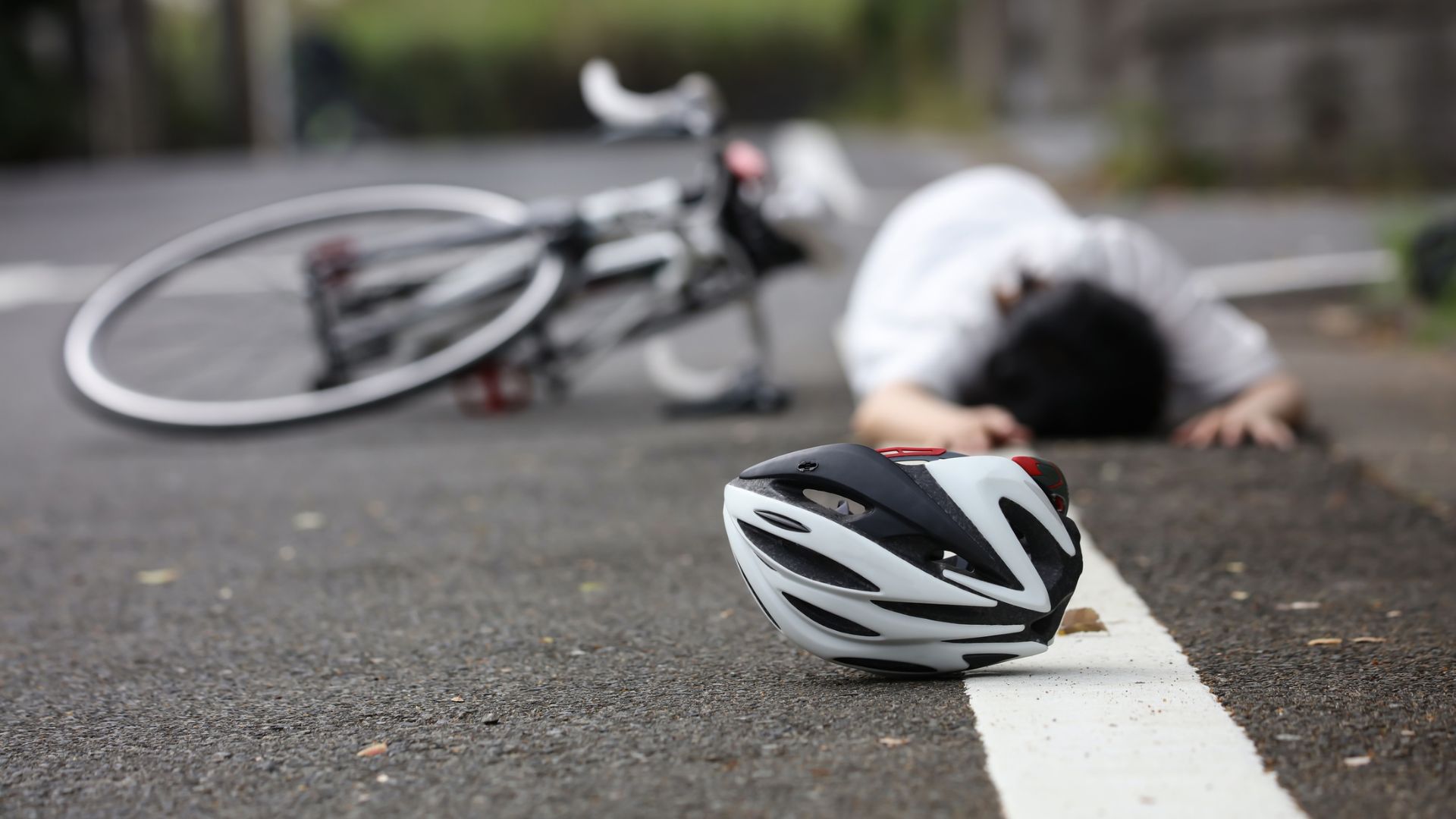
Damaged cycling equipment can become evidence, not just property loss. A cracked helmet, bent wheel, torn clothing, scraped pedal, broken light, or damaged pannier may show how the impact occurred. Keep the bicycle and gear in their post-crash condition until the claim is reviewed. Repairs can erase information about force, contact points, visibility equipment, and rider movement. Preserved gear gives the evidence more depth than photographs alone.
Helmet Damage May Support Head Injury Claims
A helmet with cracks, dents, scrape marks, or compressed foam shows where impact occurred. This evidence can support medical records when headaches, dizziness, nausea, or memory problems appear after the crash. Store the helmet safely and avoid continued use.
Bicycle Repairs Should Wait Until Evidence Is Documented
Repairing the bicycle too quickly can remove damage patterns that explain the collision. Bent forks, wheel deformation, frame cracks, and handlebar damage may help reconstruct fault. Documentation should happen before replacement parts change the evidence.
Get Medical Care Even If Pain Feels Manageable
Adrenaline can hide injuries during the first minutes after a bicycle crash. Road rash, wrist fractures, shoulder injuries, concussions, knee trauma, spinal pain, and internal symptoms may worsen after the scene ends. Medical evaluation connects symptoms to the collision and creates records insurers will later review. Follow-up care also matters when pain continues, movement becomes limited, or new symptoms develop. Goldberg & Loren uses medical documentation to connect the crash with the rider’s recovery needs.
Road Rash Treatment Shows Injury Severity
Road rash can require cleaning, dressings, antibiotics, infection monitoring, and follow-up care. Medical records explain the pain, wound depth, scarring risk, and daily care required after pavement contact. Those details prevent insurers from treating abrasions as minor discomfort.
Delayed Concussion Symptoms Need Prompt Evaluation
Headaches, confusion, dizziness, nausea, light sensitivity, and memory problems may appear after the crash. Prompt evaluation helps doctors connect those symptoms to the bicycle impact. Early records protect both health and claim value.
How Bicycle Accident Lawyers in Boise Prove Driver Fault
Driver fault after a bicycle crash often depends on details that disappear quickly once traffic resumes. A driver may claim the cyclist appeared suddenly, crossed incorrectly, or rode too close to traffic, even when the road layout and witness accounts tell a different story. Bicycle accident lawyers in Boise review bike position, vehicle movement, sightlines, traffic controls, passing distance, and damage patterns to understand how the collision happened. This work matters because cyclists have legal rights on Idaho roads, and fault should not be based on assumptions about bike riders. Evidence gives the claim direction before insurers reshape the facts.
A bicycle crash claim also needs proof that connects the driver’s unsafe conduct to the injuries, medical bills, damaged bike, and missed work that followed. Photos, police reports, helmet damage, repair estimates, medical records, and witness statements help explain both liability and harm. Insurance companies may focus on whether the cyclist followed traffic rules while ignoring the driver’s duty to watch, yield, and pass safely. A strong claim answers those arguments with specific records and roadway facts. Driver fault should be proven through evidence, not guesswork.
Unsafe Passing Evidence Shows How the Driver Crowded the Cyclist
Unsafe passing often becomes a key issue when a driver moves too close to a cyclist instead of leaving enough space. The investigation should review lane width, shoulder conditions, vehicle position, bike location, mirror use, traffic speed, and any contact between the vehicle and bicycle. Photos of scrape marks, handlebar damage, broken mirrors, or tire movement can explain how close the driver came before impact. Witnesses may also describe whether the vehicle drifted, squeezed the rider, or passed during an unsafe traffic moment. Close-pass evidence can show why the cyclist had no safe escape route.
Side Mirror and Handlebar Damage Tell a Close-Pass Story
Side mirror damage and handlebar damage often reveal contact points that explain how the vehicle moved near the cyclist. Those marks can support a rider’s account when the driver denies crowding the bicycle. Photographs should show both vehicles before repairs change the evidence.
Lane Width and Shoulder Conditions Affect Passing Safety
Lane width and shoulder conditions show whether a driver had enough room to pass safely. Narrow lanes, debris, parked cars, and broken pavement may leave a cyclist with limited space. These roadway facts help explain why a passing maneuver became dangerous.
Idaho Bicycle Laws Shape Fault Arguments After a Crash
Idaho law gives bicyclists many of the same rights and duties that apply to vehicle drivers, while also requiring bicycle riders to use due care. Furthermore, Idaho law also addresses bicycle position on the roadway, including situations where a rider may move away from the right edge to avoid hazards, pass, prepare for a left turn, or avoid unsafe lane conditions. These rules matter after a crash because insurers may incorrectly argue that a cyclist had no right to be where the collision occurred. Bicycle accident lawyers in Boise use the law and the roadway facts together when responding to unfair fault claims. Legal context can protect riders from distorted blame arguments.
Idaho Road Position Rules Need Fact-Specific Review
A cyclist’s roadway position cannot be judged fairly without looking at hazards, traffic, parked cars, turn plans, and lane width. Idaho’s bicycle position rules recognize that riding near the right edge is not always safe. The crash facts should be compared against the actual conditions the cyclist faced.
Sidewalk and Crosswalk Rules May Affect Liability
Idaho law addresses bicycle use on sidewalks and crosswalks, including yielding to pedestrians and following posted restrictions. These rules may matter when a crash occurs near a driveway, intersection, crosswalk, or sidewalk approach. Liability review should consider the exact location before accepting an insurer’s argument.
Intersection Movement Reveals Missed Yields and Unsafe Turns
Intersections create serious risk for cyclists when drivers turn across bike lanes, roll through stops, misjudge distance, or fail to check before moving. A fault review should examine signal timing, stop signs, lane markings, turn direction, crosswalk position, and where the cyclist entered the intersection. Vehicle damage, bike damage, and witness accounts can show whether the driver turned into the rider’s path. These details matter because drivers often claim they never saw the cyclist after failing to make a careful check. Intersection evidence can expose the missed decision that caused the crash.
Left-Turn Paths Show Whether the Driver Cut Across the Rider
Left-turn evidence should compare the vehicle’s turning path with the cyclist’s direction of travel. A driver who cuts across an approaching cyclist may create a collision the rider cannot avoid. Signal timing, witness accounts, and damage location help clarify responsibility.
Driveway Exits Create Sudden Hazards for Cyclists
Drivers leaving driveways or parking lots often look for larger vehicles while missing cyclists nearby. A bicycle may be visible if the driver checks sidewalks, bike lanes, and traffic gaps properly. Exit-path evidence helps show whether the driver entered too quickly.
Bike and Helmet Damage Help Connect Impact to Fault
Damaged bicycle equipment can explain how the collision occurred and why the rider suffered specific injuries. A bent fork, cracked frame, broken pedal, twisted wheel, torn clothing, or damaged helmet may show impact angle, fall direction, and force. The evidence should be preserved before repairs, replacement parts, or disposal remove important details. Medical records become stronger when they match the helmet damage, road rash locations, shoulder trauma, or wrist injuries caused by the fall. Physical damage can connect the driver’s conduct to the rider’s recovery.
Helmet Impact Marks Support Head Injury Analysis
Helmet cracks, scrape patterns, crushed foam, and visor damage can show where the rider’s head struck. Those details support concussion complaints, headaches, dizziness, and other symptoms documented after the crash. Preserving the helmet gives the claim evidence beyond medical notes.
Wheel Damage and Frame Deformation Explain Collision Force
Wheel damage and frame deformation reveal how the vehicle or pavement affected the bicycle during impact. A twisted wheel, bent fork, or cracked frame may match the rider’s description of the crash sequence. Repair documentation should be collected before the bicycle is changed.

Why Goldberg & Loren Takes Bicycle Injury Claims Seriously
A bicycle crash can leave someone facing painful injuries, damaged equipment, transportation problems, and insurance pressure within the same week. Goldberg & Loren understands that cyclists often deal with unfair assumptions about visibility, lane position, and roadway behavior after a crash. The firm looks closely at the injuries, the driver’s choices, and the practical disruption that follows impact. Bicycle accident lawyers in Boise need to show why a rider’s losses deserve serious attention from the beginning. A strong claim starts by treating the cyclist’s recovery as more than a property damage issue.
Goldberg & Loren builds bicycle injury claims around the real consequences of being hit without vehicle protection. Medical care, missed work, bike replacement, helmet damage, road rash treatment, and mobility limits all deserve detailed review. The firm also understands that insurers sometimes minimize bicycle crashes by focusing on repair costs instead of physical harm. Injured cyclists need legal support that keeps attention on pain, recovery, and the driver’s conduct behind the collision. Serious representation gives the claim the weight it deserves.
Cyclist Injuries Deserve More Than Minor Crash Treatment
Cyclists absorb direct impact from vehicles, pavement, curbs, and debris without the protection drivers have inside cars. A crash that looks minor from vehicle damage alone might still cause fractures, concussion symptoms, shoulder trauma, road rash, or spinal pain. Goldberg & Loren reviews medical records, gear damage, and daily limitations to show how the collision affected the cyclist’s body and routine. This work matters when insurers treat bicycle injuries like small claims instead of serious recovery problems. The injury story needs proof that matches the physical reality.
Road Rash Care Shows the Severity of Pavement Contact
Road rash treatment often involves cleaning, dressings, infection monitoring, medication, and follow-up appointments. Those records show the pain and medical attention required after skin meets pavement. Detailed wound care documentation gives the injury stronger support during claim valuation.
Visible Scarring Changes How Recovery Is Valued
Scarring can affect movement, confidence, clothing choices, and comfort long after the crash. Photos, provider notes, and follow-up records show how visible injuries continue affecting daily life. Lasting skin damage deserves attention beyond the first medical bill.
Damaged Bikes and Gear Help Explain the Collision
A damaged bicycle often holds important details about how the crash happened. Bent wheels, twisted handlebars, cracked frames, broken lights, scraped pedals, and torn bags can reveal impact direction and force. Goldberg & Loren reviews those items together with helmet damage, vehicle contact points, and scene photographs. This evidence matters when a driver disputes how close they came or where the cyclist was positioned. The bike itself often helps tell the collision story.
Helmet Marks Preserve Evidence of Head Impact
Helmet cracks, scraped shells, crushed foam, and damaged straps show how force reached the rider’s head. Those details support medical complaints involving headaches, dizziness, confusion, or memory problems. Preserving the helmet protects evidence that repairs or disposal would erase.
Bent Wheels Reveal Contact and Fall Direction
Wheel damage can show whether impact came from the side, rear, or front. A bent rim or twisted fork might match the cyclist’s account of the crash sequence. Repair records and photographs should document these details before replacement begins.
Insurance Companies Often Undervalue Cyclist Recovery
Insurers may focus on the bicycle’s repair cost while ignoring the rider’s pain, treatment, and work disruption. A cyclist might lose transportation, miss shifts, cancel routines, or need help with basic movement after impact. Goldberg & Loren documents those losses so the claim does not get reduced to a damaged bike estimate. Medical records, wage proof, and personal impact details show how the crash changed daily life. Full valuation requires attention to the person, not only the equipment.
Missed Work Requires More Than General Statements
Lost income needs records showing missed shifts, reduced hours, used leave time, or limited job duties. Employer notes and medical restrictions connect the injury to the financial loss. Specific wage proof prevents insurers from minimizing work disruption.
Transportation Losses Create Practical Daily Problems
A damaged bicycle might affect commuting, errands, school travel, and medical appointments. Replacement costs, repair delays, rideshare receipts, and transit expenses show practical losses after the crash. These details strengthen the claim beyond basic repair estimates.
Cyclists Need Support That Stops Blame-Shifting
Drivers sometimes claim a cyclist was hard to see, riding too close to traffic, or moving unpredictably. Those claims need comparison against road conditions, lane markings, traffic controls, witness accounts, and the driver’s own conduct. Goldberg & Loren challenges unfair blame by keeping the claim focused on what the evidence proves. This matters because unsupported blame can reduce compensation even when the driver caused the collision. Cyclists deserve a fair review before fault gets assigned.
Visibility Arguments Need Roadway-Specific Evidence
Visibility depends on lighting, traffic flow, lane position, driver attention, and the cyclist’s location before impact. Photos and measurements show what the driver had time to see. Specific roadway evidence challenges vague claims that the cyclist appeared suddenly.
Driver Inattention Belongs at the Center of Fault
Unsafe turns, distracted driving, rushed passing, and missed yielding often place cyclists in danger. Witness accounts, phone evidence, and crash photos can reveal poor driver attention. Fault analysis should focus on the choices that caused the impact.
Start Your Free Case Review About Your Bike Crash Claim With Goldberg & Loren Today
A bicycle crash can leave you injured and unsure how to deal with the driver’s insurer. Goldberg & Loren investigates the collision, documents your injuries, and challenges unfair attempts to blame you for the crash. Your recovery should not be treated like a small property damage issue and instead should reflect the full picture of the long-term consequences. The driver’s choices and your losses deserve serious attention to show accountability.
Getting legal help early can protect evidence before repairs, weather, or insurance delays weaken the claim. Goldberg & Loren reviews bike damage, medical records, wage loss, roadway conditions, and the full disruption caused by the collision. Speak with our bicycle accident lawyers in Boise who understand how much a crash can change your daily life. Call Goldberg & Loren at (208) 886-1120 or visit our contact page today for a free case review from our bicycle accident lawyers in Boise.
Practice Areas
Trust Us With Your Personal Injury Claim
If you or a loved one have been injured, Goldberg & Loren will fight for you every step of the way. We will give our all to secure the compensation you rightfully deserve.

Contact usfor a free consultation.
Phone: (208) 886-1120