
Idaho Motorcycle Accident Attorneys
A motorcycle accident can turn an everyday ride into a fight for medical answers, financial stability, and fair treatment from the insurance company. Riders often take the worst of the impact while drivers walk away claiming the motorcycle appeared too fast or came out of nowhere. Idaho motorcycle accident attorneys can help challenge those assumptions with evidence, accident reconstruction details, witness accounts, medical records, and a claim strategy built around what actually happened.
Goldberg & Loren represents injured motorcyclists and families after crashes involving unsafe turns, distracted driving, road rage, red light violations, and impaired drivers. Motorcycle claims deserve focused legal attention because the injuries are often severe, and the blame often gets pointed at the rider too quickly. Call Goldberg & Loren at (208) 886-1120 for a free consultation and speak with our Idaho motorcycle accident attorneys today.
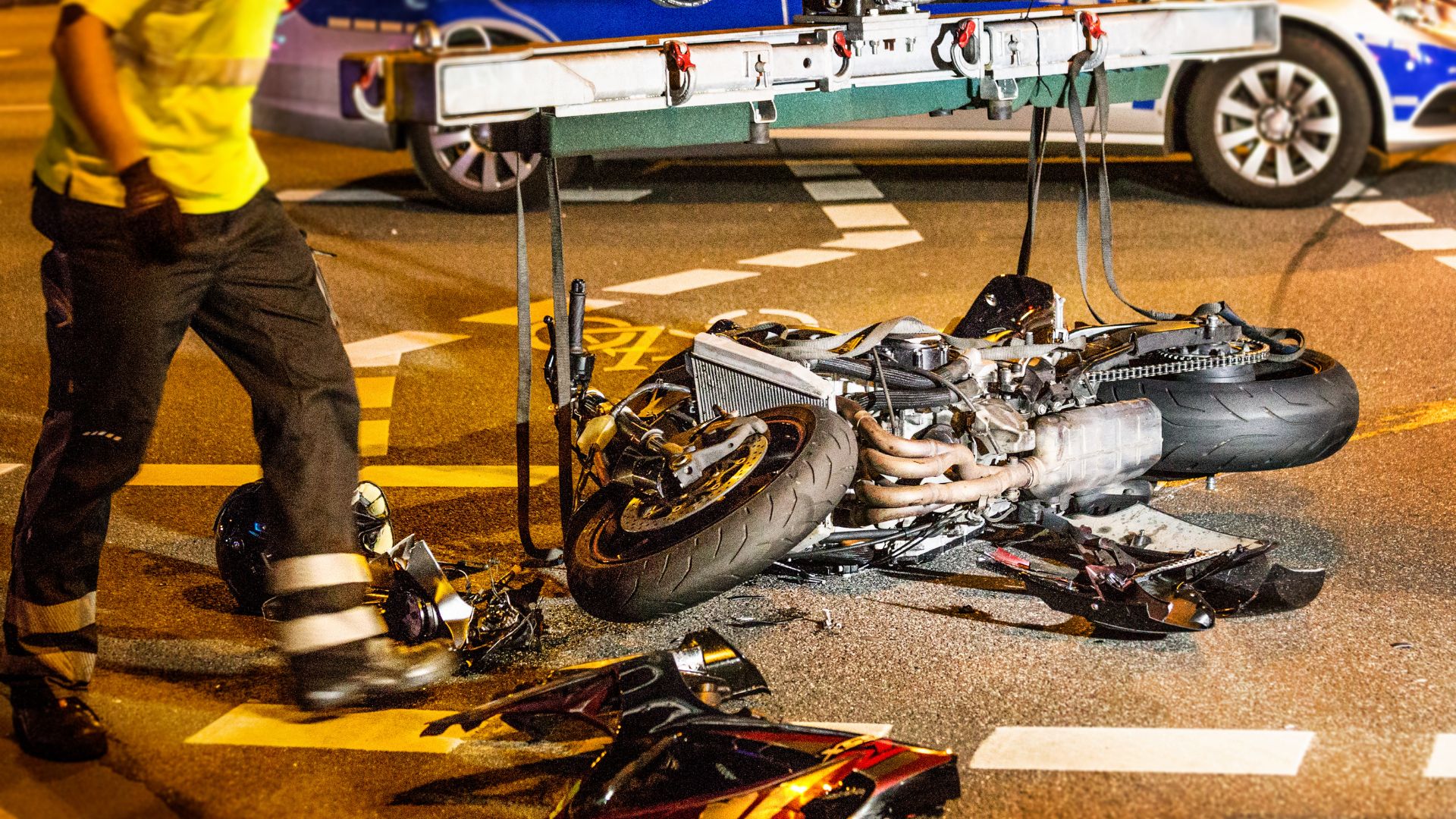
What Makes Idaho Motorcycle Accident Cases More Complex
Motorcycle accident cases can become complicated because the crash story often gets shaped before the rider has a chance to respond. Drivers may say they never saw the motorcycle, thought the rider was speeding, or believed the rider made a sudden move that caused the collision. Goldberg & Loren examines those claims against physical evidence, roadway layout, witness accounts, impact points, and medical records. This matters because early assumptions can affect how insurers evaluate fault before the full facts are known. Motorcycle cases need a liability review that starts with evidence instead of bias.
Motorcycle injuries also tend to create more complicated damage questions than many standard vehicle claims. A rider may need emergency care, surgery, therapy, neurological evaluation, orthopedic treatment, or months away from normal work duties. Idaho motorcycle accident attorneys can help connect the injury timeline to the crash and push back when insurers try to treat serious harm like a routine claim. The legal strategy should account for both how the collision happened and how the injury changes daily life. A motorcycle claim deserves review that matches the severity of the crash.
Riders Often Face Unfair Blame After a Crash
Riders often face assumptions that they were speeding, weaving, lane-splitting, or taking unnecessary risks before anyone reviews the actual evidence. Those claims can spread quickly when the driver’s statement becomes the first version heard by police or insurance. Idaho motorcycle accident lawyers can compare that statement with skid marks, vehicle damage, witness observations, helmet damage, and roadway conditions. This review helps separate genuine rider conduct from blame that exists only because motorcycles are misunderstood. Fault should come from proof, not stereotypes.
Driver Statements May Distort What Happened
A driver may describe the motorcycle as sudden or unexpected when the driver failed to look properly before turning or changing lanes. Those statements can leave out traffic conditions, mirror checks, signal use, and the rider’s lawful position on the road. Comparing statements against objective facts can expose gaps in the driver’s account.
Bias Can Affect Early Insurance Review
Insurance adjusters may treat riders as risk-takers before reviewing the collision carefully. That bias can reduce settlement value when it goes unanswered. Evidence-based advocacy can force the discussion back to facts.
Motorcycle Injuries Can Require Longer Recovery
Motorcycle riders have little protection when a vehicle strikes them or forces them onto the roadway. Injuries may involve fractures, road rash, spinal trauma, internal injuries, concussions, nerve damage, or joint injuries that take time to diagnose fully. Idaho motorcycle accident attorneys can help document how treatment develops from emergency care through follow-up appointments and specialist review. This documentation matters when symptoms worsen or new diagnoses appear after the first medical visit. Longer recovery needs should be addressed before settlement talks move too far.
Severe Impact Can Create Multiple Diagnoses
A single motorcycle crash can cause injuries to the head, back, shoulders, legs, hands, and hips at the same time. Different specialists may become involved as symptoms become clearer during recovery. Multiple diagnoses require organized records that explain the full medical picture.
Treatment Timelines May Change Claim Value
Treatment timelines can change when imaging, therapy, surgery, or specialist referrals reveal additional concerns. Early settlement discussions may miss costs that appear later. Updated medical records can keep claim value tied to recovery.
Visibility and Right-of-Way Disputes Need Strong Evidence
Visibility and right-of-way disputes are common when drivers claim they did not see the motorcycle before impact. These cases may involve left turns, lane changes, merging vehicles, intersection crashes, driveway exits, or drivers entering traffic without enough room. Idaho motorcycle accident lawyers can review sightlines, lighting, lane position, traffic controls, and witness accounts to determine whether the driver should have seen the rider. A motorcycle’s smaller profile does not excuse unsafe driving or poor attention. Liability depends on what a careful driver should have noticed.
Turning Drivers May Misjudge Rider Position
Turning drivers may underestimate a motorcycle’s distance, speed, or lane position before entering its path. That mistake can create a severe collision when the rider has no safe space to avoid impact. Crash angles and vehicle placement can help show whether the turn was unsafe.
Scene Details Can Clarify Liability
Scene details may include skid marks, debris location, traffic signal timing, sight obstructions, and final resting positions. These facts can explain how the vehicles moved before impact. Physical evidence can clarify liability when accounts conflict.
Road Conditions Can Affect Motorcycle Control
Road conditions matter more in motorcycle cases because riders depend on balance, traction, and stable lane surfaces. Gravel, potholes, uneven pavement, loose debris, standing water, construction zones, and poor lighting can increase the chance of losing control. Idaho motorcycle accident attorneys can determine whether a roadway hazard, a negligent driver, or a combination of both contributed to the crash. This review can identify evidence that may not appear in the initial insurance file. Motorcycle control depends heavily on road surface conditions.
Gravel Debris and Weather Can Increase Risk
Loose gravel, road debris, rain, ice, and reduced visibility can make it harder for riders to brake or maneuver safely. Drivers still have to account for conditions when following, turning, or changing lanes near motorcycles. Weather and surface evidence can explain why a driver’s conduct became dangerous.
Hazard Evidence Should Be Preserved Early
Hazard evidence can disappear when roads are cleaned, repaired, or changed after a crash. Photos, witness accounts, maintenance records, and location details can help preserve what existed at the time. Early documentation can keep roadway conditions from being ignored.

Crash Factors Idaho Motorcycle Accident Attorneys Review
Motorcycle crash investigations need a close look at the decisions that happened in the seconds before impact. A rider may have been traveling lawfully when another driver turned across the lane, merged without checking mirrors, followed too closely, or reacted too late to stopped traffic. Idaho motorcycle accident attorneys review these crash factors because motorcycle collisions are often blamed on riders before the evidence is fully examined. The right investigation can show whether the driver failed to see what was plainly there, misjudged distance, or created a dangerous situation the rider could not avoid. Fault analysis should begin with movement, timing, visibility, and roadway evidence.
Motorcycle accident claims also require attention to how the crash unfolded physically. Damage patterns, road marks, helmet impact points, final vehicle positions, witness observations, and nearby traffic conditions can all explain how the collision developed. Idaho motorcycle accident lawyers can use those details to challenge assumptions that the rider was reckless simply because a motorcycle was involved. This review becomes especially important when drivers give accounts that sound certain but do not match the scene. Strong crash factor analysis can protect riders from unfair blame.
Unsafe Left Turns Across Motorcycle Traffic
Left-turn collisions happen when a driver crosses the rider’s path without leaving enough time or space for the motorcycle to pass safely. These crashes can occur at intersections, driveways, parking lot exits, or business entrances where drivers focus on larger vehicles and overlook motorcycles. Idaho motorcycle accident attorneys can examine signal use, sightlines, lane position, speed estimates, and witness accounts to determine whether the turn violated the rider’s right-of-way. A driver may claim the motorcycle appeared suddenly, but physical evidence may show the rider was visible before the turn began. Unsafe turns often reveal poor lookout rather than rider fault.
Turning Drivers May Misread Distance
Drivers may misjudge a motorcycle’s distance because a smaller vehicle can appear farther away than it actually is. That misjudgment can become dangerous when the driver turns across traffic instead of waiting for a safe gap. A careful review can show whether the driver had enough time to see the rider and yield.
Impact Angles Can Support Rider Position
Impact angles can reveal where each vehicle was when the collision occurred. Damage to the motorcycle, the turning vehicle, and the surrounding scene can support the rider’s lane position. These details can challenge claims that the rider came from nowhere.
Blind Spot Lane Changes Near Motorcycles
Blind spot crashes occur when drivers move into a rider’s lane without checking carefully enough before merging or changing lanes. Motorcycles can be harder to notice in mirrors, but that does not excuse a driver from maintaining awareness before moving laterally. Idaho motorcycle accident lawyers can review lane markings, vehicle damage, witness accounts, traffic flow, and any available dash or surveillance footage to evaluate the lane change. These cases may involve sideswipe impacts, forced evasive maneuvers, or riders pushed into other vehicles or road hazards. A lane change should never depend on guesswork.
Mirror Checks Often Become Disputed
Drivers may claim they checked mirrors even when the collision pattern suggests an unsafe lane movement. A real mirror check should account for vehicles already occupying the adjacent lane. Witness statements and vehicle placement can help test whether the driver’s account makes sense.
Vehicle Placement Can Clarify Fault
Final vehicle positions can show whether the motorcycle had already established its lane before impact. Scrape marks, debris, and damage location may help explain the direction of movement. Placement evidence can make a disputed lane-change claim clearer.
Aggressive Driving and Road Rage Incidents
Aggressive driving can create extreme danger for riders because motorcycles offer little protection from sudden braking, close following, intimidation, or intentional crowding. Road rage may involve tailgating, swerving, unsafe passing, horn use, verbal threats, or attempts to force a rider out of position. Idaho motorcycle accident attorneys can investigate the conduct leading up to the crash through witness accounts, police reports, nearby video, and communications when available. These claims need careful documentation because aggressive drivers may deny the behavior after someone gets hurt. A crash caused by hostility should be treated as more than an ordinary traffic mistake.
Tailgating Can Leave Riders No Escape
Tailgating reduces the space a rider needs to slow, steer, or respond to changing road conditions. A driver following too closely can cause a rear-end collision or force the rider into a dangerous evasive movement. Distance evidence can show whether the driver created pressure that made the crash unavoidable.
Witness Accounts Can Show Escalation
Witnesses may remember gestures, lane movements, close following, sudden braking, or aggressive passing before impact. Those details can explain how the driver’s conduct escalated from unsafe to dangerous. Early witness contact can preserve facts that the driver may later deny.
Impaired or Distracted Driving Around Riders
Impaired and distracted driving can be especially dangerous near motorcycles because riders need other drivers to notice them quickly and respond predictably. Alcohol, drugs, texting, navigation screens, fatigue, and inattention can cause a driver to miss a motorcycle that a careful driver would have seen. Idaho motorcycle accident lawyers can review citations, toxicology information, phone records, traffic camera footage, and crash timing when impaired or distracted driving appears to be involved. These factors may explain late braking, drifting, unsafe turns, or failure to yield. A rider should not pay for a driver’s divided attention.
Delayed Reactions Can Cause Direct Impact
Delayed reactions can happen when a driver looks away, processes danger too slowly, or lacks the coordination needed to respond. In motorcycle cases, even a brief delay can remove the rider’s chance to avoid impact. Braking evidence and witness descriptions can show whether the driver reacted too late.
Phone Use and Citations May Support Liability
Phone activity and traffic citations can provide objective support when distraction or impairment is disputed. These records may confirm unsafe behavior that the driver refuses to admit. Supporting documents can strengthen liability arguments during negotiations.

Injuries Idaho Motorcycle Accident Attorneys Document Carefully
Motorcycle injuries often require detailed documentation because the damage can affect several parts of the body at once. A rider may leave the crash scene with obvious trauma, then develop new symptoms as swelling, shock, and adrenaline fade. Idaho motorcycle accident attorneys can review medical records, imaging results, treatment notes, specialist referrals, and work restrictions to show how the crash affected recovery. This documentation matters when insurers argue that injuries are unrelated, overstated, or not severe enough to justify full compensation. Strong medical proof helps connect the rider’s injuries to the collision.
Motorcycle accident injuries can also change a claim as treatment continues. Early emergency records may not show the full injury picture, especially when brain symptoms, nerve pain, mobility problems, or infection risks develop later. Idaho motorcycle accident lawyers can help organize medical evidence so the claim reflects both immediate harm and longer-term recovery needs. This type of review can make settlement discussions more accurate before a rider gives up legal rights. Injury documentation should follow the full recovery timeline.
Traumatic Brain Injuries After Motorcycle Crashes
Traumatic brain injuries can occur when a rider’s head strikes the pavement, a vehicle, or another object during impact. Symptoms may include headaches, dizziness, memory problems, confusion, mood changes, nausea, blurred vision, sleep disruption, or difficulty concentrating. Idaho motorcycle accident lawyers can review emergency records, neurological evaluations, helmet damage, imaging results, and follow-up care to support the injury claim. Brain injuries can be difficult to evaluate because symptoms may change over days or weeks. A rider’s cognitive symptoms should be documented with care.
Helmet Damage Can Support Brain Injury Claims
Helmet damage can help show the force and location of the head impact during the crash. Cracks, scrape marks, compression, or interior damage may support the rider’s medical history and symptom reports. Helmet evidence can add context when insurers question how the brain injury happened.
Neurological Symptoms May Develop Gradually
Neurological symptoms may not appear fully during the first emergency visit. Headaches, memory issues, irritability, balance problems, and concentration difficulties can become clearer after the rider returns home. Follow-up care can help document symptoms that developed after the crash.
Broken Bones and Orthopedic Injuries
Broken bones and orthopedic injuries are common in motorcycle crashes because riders may hit the vehicle, pavement, curb, or roadside objects with heavy force. These injuries can involve wrists, arms, ribs, legs, ankles, hips, shoulders, or facial bones. Idaho attorneys can review imaging studies, surgical records, therapy notes, medical restrictions, and provider opinions to show how fractures affect recovery. Orthopedic injuries may require surgery, hardware placement, rehabilitation, and time away from work. Bone injuries can create long recovery periods for riders.
Surgical Records Can Show Injury Severity
Surgical records can show the seriousness of fractures, joint damage, and orthopedic trauma after a crash. Hardware placement, repair procedures, and post-operative restrictions may explain why recovery takes months instead of weeks. These records can strengthen a claim when insurers minimize physical injury.
Physical Therapy Notes Can Track Progress
Physical therapy notes can show pain levels, range of motion, strength limits, and functional improvement during recovery. These details help explain how the injury affects movement and daily activity. Therapy documentation can support both current and future damage claims.
Spinal Cord and Back Injuries
Spinal cord and back injuries can affect mobility, sensation, strength, balance, and the ability to work after a motorcycle crash. These injuries may involve herniated discs, nerve compression, vertebrae fractures, paralysis, chronic back pain, or radiating pain into the arms or legs. Idaho lawyers can review MRI findings, pain management records, orthopedic evaluations, neurological care, and work restrictions to connect spinal injuries to the collision. Back injuries may become more serious when symptoms worsen after the first medical visit. Spinal trauma requires close medical and legal review.
Imaging Can Reveal Hidden Damage
Imaging can identify disc injuries, fractures, nerve compression, swelling, and other internal damage that may not appear externally. These findings can explain pain, weakness, numbness, or mobility problems after the crash. Objective imaging helps support spinal injury claims during negotiations.
Work Limits Can Show Long-Term Impact
Work limits can show how spinal injuries interfere with lifting, sitting, standing, driving, bending, or walking. These restrictions may affect income, job duties, and future earning capacity. Medical limitations can connect spinal trauma to financial harm.
Road Rash Burns and Soft Tissue Damage
Road rash, burns, and soft tissue injuries can be painful, disfiguring, and medically serious after a motorcycle crash. Sliding across pavement may cause deep abrasions, infection risks, scarring, nerve irritation, muscle damage, or skin graft needs. Idaho motorcycle accident attorneys can review wound care records, photographs, burn treatment notes, scar evaluations, and follow-up medical care to show the injury’s effect. These injuries may look less serious to insurers than fractures, but they can create lasting pain and visible changes. Skin and tissue damage deserves proper documentation.
Wound Care Records Can Prove Complications
Wound care records can show infection concerns, dressing changes, debridement, medication needs, and healing delays. These records help explain why road rash may require ongoing treatment rather than simple first aid. Medical documentation can show the seriousness of skin and tissue injuries.
Scarring Can Affect Daily Confidence
Scarring can affect appearance, comfort, clothing choices, movement, and confidence after recovery. Photos, medical notes, and specialist evaluations can document how visible injuries changed the rider’s life. Scar evidence can support damages beyond the first treatment bills.

What Injured Riders May Recover After a Motorcycle Crash
A motorcycle crash can create losses that are different from many other accident claims because the rider often takes the direct force of impact. Medical treatment may begin with emergency trauma care, then continue through surgery, therapy, wound treatment, specialist visits, and long recovery periods. Idaho motorcycle accident attorneys can help identify the categories of compensation that apply when a rider’s injuries affect work, movement, independence, transportation, and daily comfort. The claim may also include damage to the motorcycle, helmet, protective gear, personal items, and other costs connected to the crash. Recovery should account for the rider’s full physical and financial reality.
Motorcycle accident compensation should also reflect how the crash changes the rider’s future, not only what has already been billed. A fractured leg may affect work, a brain injury may affect concentration, and road rash may leave scarring that changes confidence and comfort. Lawyers can review medical records, employment proof, repair documents, gear damage, and personal recovery details before settlement discussions move too far. These details help show why a motorcycle claim deserves more than a quick estimate based on early expenses. Serious rider losses need detailed proof from the beginning.
Emergency Care and Rider-Specific Medical Treatment
Emergency care after a motorcycle crash may include ambulance transport, trauma evaluation, imaging, wound cleaning, surgery, pain control, and overnight hospital monitoring. Riders may need more treatment after discharge because fractures, brain symptoms, road rash, spinal pain, and joint injuries can develop or worsen during recovery. Idaho motorcycle accident attorneys can help connect those treatment needs to the crash with records from hospitals, specialists, therapists, and follow-up providers. This medical documentation can show why the injury required more than one emergency visit. Rider-specific treatment often continues long after the wrecked motorcycle is removed.
Trauma Care May Continue After Hospital Discharge
Hospital discharge does not always mean the rider’s medical recovery is stable. Follow-up appointments may reveal infection risks, new pain patterns, mobility problems, or additional injuries that need specialist review. Continued trauma care can show that the crash created ongoing medical needs.
Follow-Up Records Can Protect Recovery Value
Follow-up records can document symptoms that were not fully understood during the first medical visit. These records may include imaging results, therapy notes, wound care updates, and referral recommendations. Continued documentation helps protect value when insurers rely on early records.
Lost Income When Riding Injuries Limit Work
Motorcycle injuries can interrupt income when pain, mobility limits, surgeries, or medical appointments prevent a rider from working normally. Some riders miss shifts temporarily, while others cannot return to the same job duties because standing, lifting, driving, climbing, or using injured limbs becomes difficult. Idaho motorcycle accident attorneys can help document missed wages, reduced hours, lost contracts, and future earning concerns with employment records and medical restrictions. Wage loss proof should match the rider’s actual job demands rather than a generic work absence. Income recovery depends on showing how the crash changed earning ability.
Physical Job Duties Can Become Harder
Physical work can become difficult when a rider has fractures, spinal pain, shoulder injuries, knee damage, or nerve symptoms. Job duties involving lifting, kneeling, carrying, operating equipment, or long driving periods may no longer be safe during recovery. Medical restrictions can explain why the rider could not return to full duty.
Work Restrictions May Affect Future Earnings
Work restrictions can affect future earnings when the rider cannot perform prior job tasks or must change roles. These limits may reduce hours, advancement opportunities, or access to physically demanding work. Employment documentation can help show long-term financial harm.
Motorcycle Damage, Gear Loss, and Replacement Costs
A motorcycle crash can destroy more than the bike itself. The rider may lose a helmet, jacket, gloves, boots, riding pants, communication equipment, saddlebags, mounted devices, and other personal items damaged during impact or sliding. Lawyers can help include property losses that support both financial recovery and the injury story. Damage to the motorcycle and gear can also help show impact force, slide distance, and where the rider absorbed trauma. Property evidence can support more than replacement costs.
Bike Repairs Can Show Collision Force
Motorcycle repair estimates can describe crushed components, bent frames, scraped fairings, wheel damage, and other signs of impact severity. These details may support the injury claim when insurers argue the crash was minor. Bike damage can help explain why the rider suffered serious harm.
Helmet and Gear Damage Should Be Preserved
Damaged helmets and riding gear should be preserved whenever possible after a motorcycle crash. Scrapes, cracks, tears, and impact marks can show how the rider hit the ground or another vehicle. Gear evidence may support medical records and crash reconstruction.
Pain Mobility Limits and Loss of Riding Independence
A motorcycle injury can affect movement, comfort, sleep, confidence, and the rider’s ability to handle normal daily activities. Pain may limit walking, driving, working, exercising, household responsibilities, and time with family. Idaho motorcycle accident attorneys can help present these losses through specific details that show how the crash changed the rider’s life. Loss of riding independence can also matter when motorcycles are part of transportation, identity, recreation, or community connection. Personal losses should be described with facts, not broad labels.
Daily Movement Can Change After Impact
Daily movement can change when injuries affect balance, strength, flexibility, coordination, or endurance. Tasks like working, cooking, and commuting may become painful or require help. These limitations can show how the injury affects life beyond medical appointments.
Riding Confidence May Take Time To Rebuild
Riding confidence may be affected by pain, anxiety, fear of traffic, or concern about another driver’s mistakes. Some riders need time before they feel comfortable near intersections, highways, or aggressive traffic again. These effects can become part of the broader recovery picture.

Why Idaho Riders Turn to Goldberg & Loren After a Crash
Motorcyclists often need legal help that understands the difference between a rider’s reality and the assumptions insurance companies may make after a crash. Goldberg & Loren represents injured riders who need their claims evaluated through evidence, medical recovery, road conditions, driver behavior, and the unique risks motorcycles face in traffic. Idaho motorcycle accident attorneys can help challenge unfair blame when a driver claims the rider appeared suddenly, moved too fast, or should have avoided the collision. A strong motorcycle claim should explain what the driver failed to do, how the crash happened, and why the rider’s injuries deserve serious attention. Riders deserve legal representation that understands how quickly bias can affect a claim.
Goldberg & Loren also understands that a motorcycle crash can affect more than the first medical bills. Riders may lose transportation, miss work, replace expensive gear, manage painful treatment, and struggle with the emotional effects of returning to the road. Idaho motorcycle accident attorneys can help organize those details into a claim that reflects the full aftermath of the collision. That kind of representation matters when insurers try to focus only on repair estimates or early emergency records. A rider’s recovery should never be reduced to a quick insurance calculation.
Rider Bias Needs a Strong Legal Response
Motorcycle accident claims often begin with unfair assumptions about speed, risk-taking, or rider behavior. Those assumptions can influence how police reports, witness statements, and insurance reviews are interpreted if no one challenges them early. Attorneys can compare those claims against physical evidence, vehicle damage, impact angles, and roadway conditions. Goldberg & Loren helps riders push the discussion back toward proof instead of stereotypes. Bias should not decide the value of a motorcycle injury claim.
Insurance Companies May Question Rider Conduct
Insurance companies may argue that the rider was speeding, weaving, lane-splitting, or taking unnecessary risks before the crash. These arguments can appear even when the driver failed to yield, changed lanes unsafely, or ignored the motorcycle’s right-of-way. A careful evidence review can expose claims that rely more on assumption than fact.
Evidence Can Correct False Crash Narratives
Evidence can include skid marks, motorcycle damage, helmet impact points, traffic camera footage, and witness descriptions. These details can show how the rider moved before impact and where the driver created danger. A documented crash narrative can protect riders from unfair blame.
Motorcycle Injury Recovery Needs Careful Attention
Motorcycle injuries can involve several forms of harm at once, including fractures, road rash, head trauma, spinal pain, and nerve damage. Recovery may require emergency treatment, surgery, therapy, wound care, follow-up imaging, and months of limited activity. Attorneys can help connect each stage of treatment to the crash so insurers cannot dismiss later symptoms. Goldberg & Loren reviews medical records with attention to how the injuries affect movement, work, sleep, and daily responsibilities. Serious rider injuries need documentation that follows the full recovery process.
Treatment May Reveal New Problems Over Time
Some motorcycle crash injuries become clearer only after swelling decreases or specialists review symptoms more closely. A rider may discover nerve pain, concussion symptoms, joint instability, or infection risks after the first medical visit. Updated medical records can show why early settlement discussions may not reflect the true injury picture.
Recovery Details Can Strengthen Claim Value
Recovery details can include pain levels, mobility limits, therapy progress, surgical recommendations, and restrictions on work or driving. These details help explain how the crash affected the rider’s actual life. Strong documentation can make settlement discussions more accurate.
Bike and Gear Evidence Can Support the Claim
Motorcycle claims can benefit from evidence that many ordinary vehicle claims do not involve. A damaged helmet, torn jacket, scraped boots, broken fairing, bent handlebars, or crushed frame can help explain how the rider absorbed impact. Idaho motorcycle accident attorneys can review bike and gear damage alongside medical records and crash photographs. Goldberg & Loren understands that this evidence may support both liability and damages when insurers question injury severity. The motorcycle and gear can tell part of the crash story.
Helmet and Gear Damage Should Be Preserved
Helmet and gear damage can reveal where the rider hit the ground, vehicle, or roadway surface. Cracks, scuffs, tears, and compression marks may support medical findings involving head, shoulder, back, hip, or limb injuries. Preserving those items can protect evidence that repair estimates cannot show.
Motorcycle Damage Can Show Impact Direction
Motorcycle damage may reveal whether the rider was struck from the side, forced down, rear-ended, or hit during a turn. Frame damage, wheel marks, broken controls, and scrape patterns can help reconstruct movement before impact. Physical evidence can challenge a driver’s incomplete account.
Insurance Pressure Should Not Control the Rider’s Recovery
After a motorcycle crash, insurers may push for statements, authorizations, or settlement discussions while the rider is still in pain. Those requests can feel routine, but they may affect fault, medical causation, and the value of the claim. Attorneys can help riders understand what should be handled immediately and what should wait for medical clarity. Goldberg & Loren works to keep the claim focused on recovery instead of insurance urgency. The rider’s health should guide major claim decisions.
Early Settlement Offers May Miss Future Harm
Early settlement offers may arrive before doctors understand the full recovery timeline. Surgery, therapy, nerve symptoms, scarring, or reduced work capacity may become clearer later. A settlement should not close the claim before future harm receives proper review.
Legal Support Can Slow Down Pressure
Legal support can keep the process from moving at the insurer’s preferred pace. Riders can make better decisions when they understand the evidence, medical records, and financial losses involved. A measured approach helps protect recovery from rushed choices.
Book a Free Case Review With Goldberg & Loren Today
You may be dealing with pain, repair costs, missed income, and questions about whether you will feel comfortable riding again. Our team can evaluate the facts, address insurance pressure, and help pursue the compensation that you deserve. Call Goldberg & Loren today at (208) 886-1120 or visit our contact page for a free consultation from one of our Idaho motorcycle accident attorneys today.
Practice Areas
Trust Us With Your Personal Injury Claim
If you or a loved one have been injured, Goldberg & Loren will fight for you every step of the way. We will give our all to secure the compensation you rightfully deserve.






Contact usfor a free consultation.
Phone: (208) 886-1120