
Idaho Bicycle Accident Attorneys
A bicycle crash can leave you injured and facing an insurance company that may not understand how vulnerable cyclists are in traffic. Idaho bicycle accident attorneys can help protect your claim when a driver fails to yield, turns across a bike lane, or blames you for a crash you could not avoid. Goldberg & Loren represents injured cyclists who need help proving what happened and showing how the collision affected their health, work, mobility, and daily routine.
Bicycle accident claims deserve careful attention because a damaged bike, road position, traffic controls, visibility, helmet damage, and witness accounts can all influence fault. Drivers may claim they did not see the cyclist, misunderstood right-of-way, or thought there was enough room to pass safely, even when the evidence says otherwise. Call Goldberg & Loren at (208) 886-1120 for a free consultation and speak with our Idaho bicycle accident attorneys today to take the first steps towards financial recovery.

Why You Should Contact an Idaho Bicycle Accident Attorney Immediately
Time can work against an injured cyclist as soon as the crash scene clears. Driver accounts may change, roadway details may disappear, and insurance companies may begin asking questions before the cyclist understands the full injury picture. Goldberg & Loren step in early to protect the facts, organize the claim, and prevent insurers from building the case around incomplete information. Fast legal help can make the claim stronger before avoidable problems develop.
A bicycle accident claim can depend on details that are easy to lose. The position of the bike, the location of debris, nearby traffic controls, driver statements, and early medical records may all affect fault and damages. Idaho bicycle accident attorneys can help preserve that information while the cyclist focuses on treatment and recovery. Immediate action can keep the claim from being shaped by the driver’s version alone.
Driver Blame Can Shape the Claim Early
Drivers may try to explain a bicycle crash in a way that reduces their responsibility. They may claim the cyclist moved unpredictably, ignored traffic controls, or appeared too suddenly to avoid impact. Idaho bicycle accident lawyers can compare those claims against photographs, witness accounts, bike damage, and roadway evidence. Early legal review helps prevent unfair blame from becoming the foundation of the insurance claim. Cyclist fault arguments should be tested before they gain momentum.
Early Statements Can Affect Cyclist Fault Arguments
Statements made soon after a crash may not include every important detail. Pain, shock, confusion, and stress can affect how clearly a cyclist explains what happened. Insurance companies may later use incomplete statements to argue that the cyclist shared fault.
Legal Review Can Protect Your Account
Legal review can help organize the cyclist’s account before insurers request detailed statements. This helps the claim include road position, driver conduct, traffic controls, and injury details. A complete account can reduce the risk of unfair blame.
Scene Evidence Can Disappear After Traffic Clears
A bicycle crash scene can change quickly once vehicles move and traffic returns to normal. Debris may be swept away, skid marks may fade, and nearby video may be erased within a short time. Idaho bicycle accident attorneys can help identify which scene details should be preserved before they disappear. This matters because bicycle cases can depend on small facts that explain how the driver caused the collision. Early evidence preservation can protect the cyclist’s version of events.
Bike Lane and Vehicle Position Should Be Preserved
Bike lane position and vehicle placement can show whether the driver passed too closely, turned unsafely, or entered the cyclist’s path. These details may not appear fully in a basic crash report. Photos and measurements can help preserve the physical layout of the collision.
Photos Can Capture Details Reports May Miss
Digital evidence can show scrape marks, debris, lane markings, sightlines, parked vehicles, and bicycle damage. These details may support fault when the written report does not explain enough. Visual evidence can make the crash easier to reconstruct.
Medical Records Need To Track Cyclist Injuries
Cyclists can suffer injuries that worsen after the initial shock fades. Head pain, wrist injuries, shoulder damage, knee trauma, back pain, and nerve symptoms may become clearer after the first medical visit. Idaho bicycle accident lawyers can help connect medical records to the crash timeline so insurers cannot easily question injury causation. Treatment documentation also helps show how the injury affects work, mobility, transportation, and daily life. Medical records should follow the cyclist’s recovery from the beginning.
Delayed Pain Can Create Insurance Disputes
Delayed pain can give insurers an argument that the injury came from something else. That argument becomes weaker when medical records explain when symptoms started and how they progressed. Prompt treatment helps protect the connection between the crash and the injury.
Follow-Up Care Can Support Injury Timing
Follow-up care can document symptoms that were not obvious at the scene. Doctors may later identify concussions, fractures, soft tissue injuries, or joint damage. Continued treatment records can support the timing of the injury claim.
Insurance Companies May Minimize Bicycle Claims
Insurance companies may treat bicycle claims unfairly when they assume the cyclist caused or worsened the crash. Adjusters may focus on helmet use, road position, visibility, or traffic behavior instead of the driver’s unsafe conduct. Idaho bicycle accident attorneys can respond with evidence that keeps the claim focused on liability and damages. This support can be especially important when the cyclist faces medical bills, bike replacement costs, and missed income at the same time. Insurance pressure should not control the claim.
Adjusters May Downplay Cyclist Injuries
Adjusters may argue that the cyclist’s injuries are minor when early records appear limited. They may also overlook how wrist, shoulder, knee, head, or back injuries affect daily movement. Detailed medical and personal documentation can challenge those arguments.
Attorney Involvement Can Reduce Claim Pressure
Attorney involvement can stop repeated calls, unclear requests, and pressure for quick settlement decisions. This gives the cyclist more space to focus on treatment and recovery. A protected claim can move forward with stronger evidence.
How Negligent Drivers Cause Bicycle Crashes in Idaho
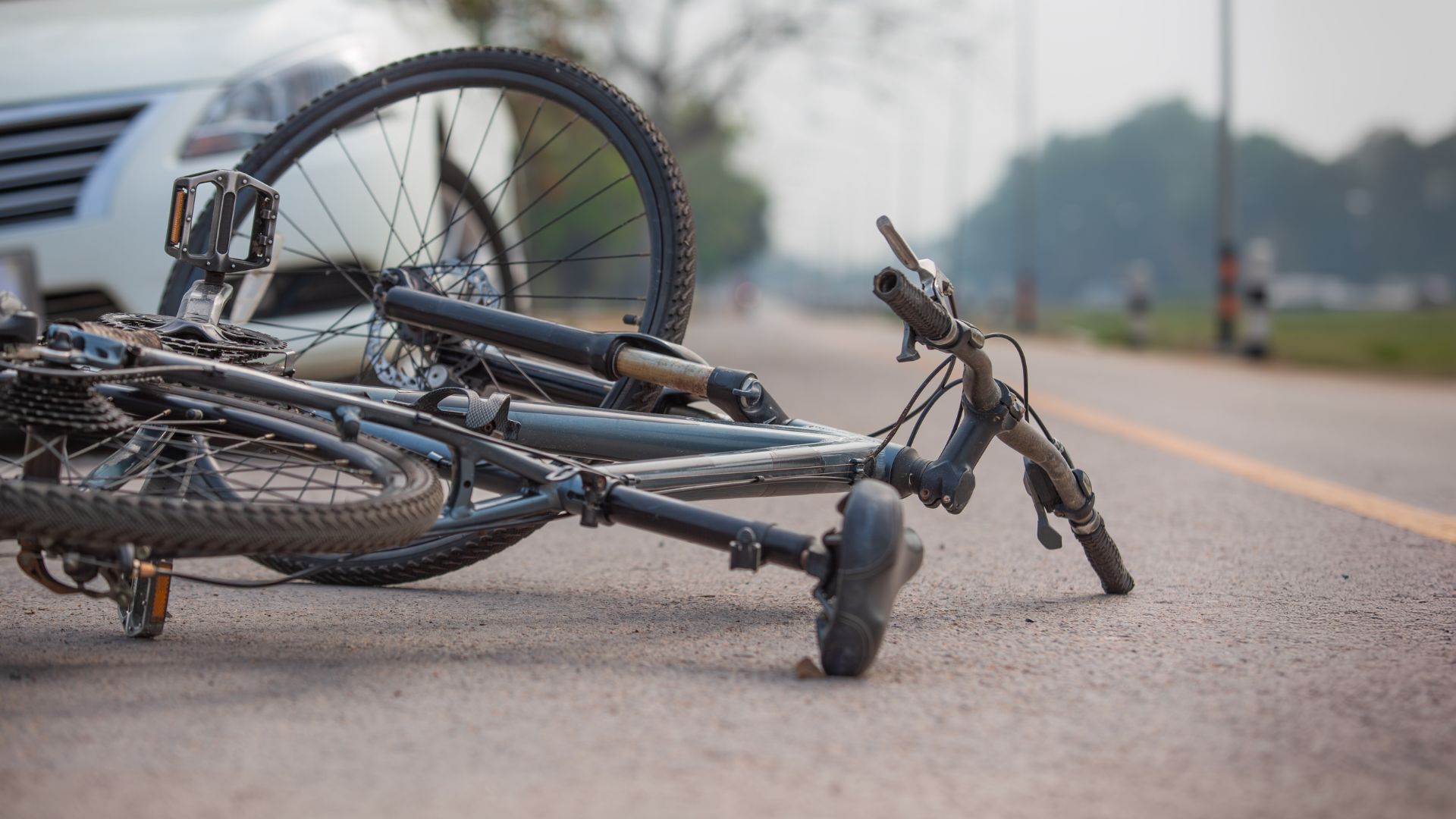
A bicycle crash often begins when a driver treats the cyclist as an obstacle instead of a lawful road user. Small driving choices can create serious danger when a vehicle passes too closely, turns without checking, opens a door into a bike path, or looks at a phone instead of the road. Idaho bicycle accident attorneys can review these driver decisions through roadway evidence, witness accounts, bicycle damage, vehicle position, and medical records. This review matters because drivers may describe the crash as unavoidable when the evidence shows they failed to share the road safely. Negligent driving can leave cyclists with injuries that affect their movement, work, and daily life.
Bicycle accident claims need attention to how close the vehicle came to the rider and what options the cyclist had before impact. A cyclist may have only seconds to react when a driver crowds the lane, turns across the bike’s path, or opens a car door without looking. Idaho bicycle accident attorneys can help identify the conduct that placed the rider in danger and connect it to the injuries that followed. These cases should focus on driver choices, road position, and the limited protection cyclists have during a collision. A strong claim explains why the crash could have been prevented.
Unsafe Passing Can Force Cyclists Out of Position
Unsafe passing can happen when a driver moves around a cyclist without leaving enough room for safe travel. A close pass may force the cyclist toward the curb, parked cars, gravel, drainage areas, or another traffic lane. Idaho bicycle accident attorneys can examine lane width, vehicle distance, scrape marks, witness statements, and damage to determine how the pass occurred. A driver may claim there was enough space, but scene evidence can show that the cyclist had nowhere safe to move. Passing distance can become a major fault issue.
Close Passes Can Leave No Recovery Space
A cyclist needs room to keep balance and respond to roadway changes. When a vehicle passes too closely, even a slight movement can push the rider into danger. Close passing evidence can show why the cyclist could not avoid the crash.
Vehicle Distance Evidence Can Prove Unsafe Movement
Vehicle distance evidence may include photos, measurements, scrape patterns, and witness observations. These details can show whether the driver crowded the cyclist’s lane. Strong spacing proof can support the cyclist’s account.
Failure To Yield Can Lead To Severe Bike Collisions
Failure to yield can cause serious bicycle crashes when drivers turn, merge, or enter traffic without respecting the cyclist’s right-of-way. These collisions often happen at intersections, driveways, crosswalks, parking lot exits, and bike lane crossings. Idaho bicycle accident attorneys can review traffic controls, driver sightlines, cyclist position, and impact location to determine whether the driver should have waited. A cyclist may be clearly visible, yet still get struck because the driver focused only on larger vehicles. Yield failures often reflect poor attention from the driver.
Turning Drivers May Overlook Cyclists in Plain View
A turning driver may scan for cars while missing a cyclist already in the travel path. This mistake can cause an impact before the cyclist has time to brake or steer away. Visibility evidence can show whether the cyclist should have been seen.
Crosswalk and Lane Markings Can Clarify Right Of Way
Crosswalks, bike lanes, stop lines, and turn markings can explain how traffic should have moved. These details help show whether the cyclist had lawful space to proceed. Road markings can make right-of-way disputes easier to prove.
Dooring Accidents Can Throw Cyclists Into Traffic
Dooring accidents happen when a driver or passenger opens a vehicle door into a cyclist’s path. The cyclist may strike the door, fall onto the pavement, or swerve into moving traffic to avoid impact. Idaho bicycle accident lawyers can review parked vehicle location, door damage, bike damage, witness accounts, and traffic conditions to show how the hazard appeared. These crashes can be especially dangerous because the cyclist may have almost no warning before impact. A careless door opening can create a violent collision.
Parked Vehicle Evidence Can Show Unsafe Opening
Parked vehicle evidence may show where the car sat, how far the door opened, and whether the cyclist had room to pass. Door damage can also reveal the point of contact. These facts can show how quickly the hazard entered the cyclist’s path.
Damage Patterns Can Support the Cyclist’s Account
Damage patterns may appear on the door edge, bike frame, handlebars, wheel, or rider’s gear. Those marks can explain the direction and force of contact. Physical evidence can confirm how the dooring crash happened.
Distracted Driving Can Hide Cyclists From Driver Awareness
Distracted driving can make a cyclist effectively invisible to a driver who is looking at a phone, navigation screen, food, passengers, or roadside activity. Even a brief distraction can cause a driver to drift, miss a bike lane, run a stop sign, or react too late to a cyclist ahead. Idaho bicycle accident attorneys can examine phone activity, witness statements, traffic video, vehicle movement, and crash timing when distraction appears likely. These cases need proof because distracted drivers may deny looking away before impact. Inattention can turn a visible cyclist into an avoidable victim.
Phones and Navigation Screens Can Delay Reaction Time
Phones and navigation screens can take a driver’s eyes and mind away from the road. That delay can prevent the driver from seeing a cyclist slowing, turning, or traveling lawfully ahead. Digital evidence can support fault when distraction caused the crash.
Witness Details Can Confirm Driver Inattention
Witnesses may notice a driver looking down, drifting, braking late, or failing to react. Those observations can support the physical evidence from the scene. Early witness information can preserve details the driver may deny.

What Injured Cyclists May Recover After an Idaho Bicycle Crash
A bicycle crash can create losses that look different from many other MVA claims because cyclists absorb impact without the protection of a vehicle frame. The injury may affect how the rider works, travels, sleeps, moves, and feels about returning to traffic. Idaho bicycle accident attorneys can help identify the medical costs, income losses, bike damage, and personal harm that should be included in the claim. A fair recovery should reflect what the collision changed, not only what the insurance company chooses to count first. Cyclists deserve a compensation analysis built around the realities of riding.
The financial effect of a bicycle crash can grow quickly when treatment continues, transportation becomes harder, and pain limits ordinary tasks. A damaged bike may also mean losing a primary way to commute, exercise, or handle daily responsibilities. Lawyers can review records, receipts, medical updates, work restrictions, and damaged gear before settlement discussions become final. This review can help prevent important losses from being left out of the claim. The full recovery picture should be documented before decisions are made.
Medical Care After a Bicycle Accident
Medical care after a bicycle accident may begin with emergency treatment, imaging, wound care, fracture evaluation, concussion screening, or pain management. Follow-up care can become necessary when soreness turns into limited movement, headaches continue, road rash becomes infected, or joint pain interferes with daily activity. Idaho bicycle accident attorneys can help connect treatment records to the crash so insurers cannot dismiss later symptoms as unrelated. Medical documentation should explain how the cyclist’s injuries developed from the first appointment through recovery. Strong treatment proof can protect the claim from being undervalued.
Treatment May Continue Beyond the First Visit
A cyclist may need additional appointments when early care does not reveal the full injury picture. Orthopedic care, neurological review, physical therapy, and wound treatment can become important as symptoms change. Continued treatment helps show that the crash caused more than temporary pain.
Recovery Records Can Protect Claim Value
Recovery records can document pain levels, mobility limits, treatment progress, and provider recommendations. These details help explain why the cyclist needed ongoing care after the crash. Updated records can protect compensation when recovery takes longer than expected.
Income Loss After a Cycling Injury
Income loss can happen when a bicycle injury prevents the rider from working regular hours or performing normal job duties. A wrist injury can affect typing or lifting, while shoulder, leg, back, or head injuries may limit driving, standing, concentration, or physical movement. Idaho bicycle accident lawyers can help gather wage records, employer notes, tax documents, schedules, and medical restrictions to support the financial claim. Income recovery should reflect the cyclist’s actual work demands, not a generic estimate. Disruption of work can become one of the most stressful parts of recovery.
Work Limitations Can Affect Financial Stability
Work limitations can create immediate pressure when missed shifts or reduced hours affect household expenses. The injury may also interfere with job tasks that require movement, coordination, focus, or reliable transportation. Clear documentation helps show how the crash changed the cyclist’s earning ability.
Medical Restrictions Can Support Lost Wages
Medical restrictions can explain why the cyclist could not return to full work duties. Provider notes may limit lifting, walking, driving, screen time, or repetitive use of an injured limb. These restrictions can connect wage loss directly to the bicycle crash.
Bicycle Damage and Replacement Costs
Bicycle damage can be part of the compensation claim when the bike, helmet, lights, clothing, bags, phone mount, or other gear was damaged in the collision. These losses matter because a bicycle may be the rider’s transportation, fitness routine, or primary way to move through daily life. Idaho bicycle accident attorneys can help include repair estimates, replacement costs, photographs, and receipts in the claim review. Property damage can also help explain how hard the cyclist was hit and where impact occurred. A damaged bike can tell part of the crash story.
Bike Damage Can Show Crash Severity
Bike damage may include a bent frame, cracked fork, twisted wheel, broken pedal, or scraped handlebars. These details can support the cyclist’s account when insurers argue that the crash was minor. Damage patterns can help connect the collision mechanics to the injuries.
Preserved Gear Can Strengthen the Claim
Preserved gear can show contact points, slide marks, impact force, and the direction of movement after the crash. A cracked helmet or torn clothing may support injury details that photos alone do not capture. Keeping damaged items can protect evidence before disputes arise.
Life Changes After a Bicycle Crash
Life changes after a bicycle crash can include pain, reduced independence, fear of traffic, limited mobility, and difficulty handling ordinary responsibilities. The rider may struggle with commuting, errands, exercise, childcare, household tasks, or sleep while recovering from injuries. Idaho bicycle accident attorneys can help describe these personal losses through specific examples that show how the crash affected daily life. These damages matter because bicycle injuries can change more than medical bills and repair costs. Personal disruption should be part of the recovery discussion.
Daily Movement May Become More Difficult
Daily movement may become harder when injuries affect balance, grip strength, shoulder motion, walking, or endurance. Simple tasks like dressing, cooking, shopping, and climbing stairs may require more time or assistance. These limitations can show the practical effect of the injury.
Riding Confidence Can Take Time to Return
Riding confidence can be shaken after a driver causes a serious bicycle crash. Intersections, parked cars, narrow lanes, and passing vehicles may feel unsafe long after physical wounds improve. That loss of confidence can be part of the cyclist’s recovery.

Insurance Problems Injured Cyclists May Face After a Crash
Insurance problems after a bicycle accident can begin before the cyclist knows how long recovery will take. A driver’s insurer may question visibility, road position, helmet use, treatment timing, bike value, or whether the rider should have reacted differently. Idaho bicycle accident attorneys can help answer those arguments with evidence instead of letting the claim depend on assumptions about cyclists. These disputes matter because insurance companies may use small uncertainties to reduce payment or delay settlement discussions. A bicycle claim should be evaluated through facts, not convenience for the insurer.
Cyclists may also face claim problems that drivers in enclosed vehicles rarely experience. The bike may be totaled, the gear may be destroyed, medical symptoms may develop over time, and the rider may need another way to commute while recovering. Lawyers can review the full insurance picture so medical care, property loss, and personal disruption are not treated as separate minor issues. A stronger claim explains how the crash affected the cyclist’s health, transportation, finances, and ability to ride safely again. Insurance review should account for the whole aftermath.
Drivers May Deny Seeing the Cyclist
Drivers often say they did not see the cyclist before impact, but that statement does not automatically excuse unsafe driving. A cyclist may have been using a bike lane, crossing with traffic control, riding with lights, or traveling where the driver should have looked before turning or merging. Idaho bicycle accident lawyers can compare the driver’s statement against roadway visibility, traffic controls, weather, lighting, and the cyclist’s position before the collision. This review can show whether the driver failed to notice something that was visible. A visibility excuse should always be tested carefully.
Visibility Claims Need Physical Evidence
Visibility disputes can depend on photographs, scene measurements, lighting conditions, lane markings, and witness observations. These details can show what the driver could have seen with proper attention. Physical evidence can make the difference when the driver claims the cyclist appeared suddenly.
Sightline Details Can Challenge Driver Excuses
Sightline details can reveal whether buildings, parked cars, curves, glare, or traffic blocked the driver’s view. When nothing prevented a clear view, the driver’s excuse may become much weaker. Careful scene review can expose avoidable inattention.
Adjusters May Try To Shift Blame Onto the Rider
Insurance adjusters may suggest that the cyclist rode too fast, used the wrong lane position, failed to wear visible clothing, or should have anticipated the driver’s mistake. These arguments can distract from the driver’s duty to yield, pass safely, check mirrors, and obey traffic controls. Idaho bicycle accident attorneys can respond by focusing on roadway rules, driver conduct, bike position, and crash mechanics. Cyclist blame should not be accepted just because the rider was more vulnerable. Fault arguments need proof before they reduce compensation.
Helmet Use Should Not Decide Liability
Helmet use may become part of an injury discussion, but it does not explain why a driver caused the crash. A driver who failed to yield or passed too closely cannot avoid responsibility by shifting attention to the cyclist’s gear. Liability should focus on the conduct that created the collision.
Bike Position Can Support Cyclist Fault Arguments
Bike position can show whether the cyclist was riding lawfully, using available lane space, or avoiding hazards near the curb. Final placement, debris, and damage patterns may support the rider’s account. Position evidence can push back against unfair fault claims.
Injury Value May Be Minimized Early
Insurers may undervalue bicycle injuries when the first medical visit does not show the full recovery picture. Cyclists can develop worsening pain, concussion symptoms, infection concerns, joint stiffness, or mobility problems after the initial shock fades. Idaho bicycle accident attorneys can help document how symptoms changed and why follow-up care remained necessary. This matters when an adjuster treats early records as the complete injury story. Bicycle injuries should be evaluated after the recovery picture becomes clearer.
Road Rash and Joint Injuries Can Be Undervalued
Road rash and joint injuries can create lasting pain, scarring, limited motion, and infection risks. These injuries may look less serious on paper than they feel during daily recovery. Medical records and photographs can show why the damage deserves proper attention.
Follow-Up Treatment Can Show Lasting Harm
Follow-up treatment can document continuing pain, wound problems, reduced movement, or delayed diagnoses. Those records help explain why the cyclist needed more care after the first appointment. Updated medical proof can challenge low injury valuations.
Property Damage May Be Treated Too Narrowly
Insurance companies may focus only on the bicycle while overlooking gear, accessories, transportation costs, and evidence value. A crash may damage a helmet, lights, panniers, clothing, phone mount, lock, or tools the cyclist relied on. Idaho bicycle accident attorneys can help include these losses while also preserving damaged items that may support liability and injury arguments. Property damage should not be reduced to a basic repair estimate when the bike was part of the cyclist’s daily life. Every crash-related loss deserves review.
Bicycle Replacement Costs Can Be Disputed
Replacement value can become contested when the insurer undervalues the bike or ignores upgrades and components. Receipts, photographs, maintenance records, and shop estimates can support a more accurate property claim. Detailed proof helps prevent the bicycle from being priced unfairly.
Gear and Accessory Losses Should Be Included
Gear and accessories can represent meaningful costs after a bicycle crash. Helmets, lights, bags, locks, cycling shoes, and protective clothing may all require replacement. Including those items helps reflect the actual property loss.

How Goldberg & Loren Applies Idaho Bicycle Laws to Protect Your Claim
Goldberg & Loren uses Idaho bicycle laws to keep the claim focused on what the driver did wrong, not on assumptions about cyclists. A bicycle crash may involve lane position, right-of-way, traffic control, passing distance, or whether the cyclist had a lawful reason to avoid hazards near the road edge. Idaho bicycle accident lawyers can review those legal details against photographs, witness accounts, bike damage, and medical records. This matters when an insurer tries to use bicycle laws selectively to shift blame onto the rider. Legal rules should protect cyclists when the evidence supports them.
A strong bicycle claim also needs legal context before settlement discussions become serious. Drivers may misunderstand how cyclists are allowed to use the road, especially near intersections, bike lanes, driveways, parked cars, and crosswalks. Goldberg & Loren can evaluate how Idaho law applies to the crash location and the movements of everyone involved. That review helps prevent the claim from being reduced to a driver’s opinion about where the cyclist should have been. The law should be applied to the facts, not to stereotypes.
Legal Review Can Counter Unfair Cyclist Blame
Unfair cyclist blame can appear early when a driver claims the rider moved unpredictably, ignored traffic controls, or failed to avoid the crash. Those claims should be tested against Idaho traffic rules, road markings, vehicle movement, and the cyclist’s lawful position before impact. Idaho bicycle accident attorneys can identify whether the driver’s account leaves out passing duties, turning duties, or basic lookout responsibilities. Goldberg & Loren uses legal review to push the claim back toward evidence instead of assumption. Fault should follow the rule violation that actually caused harm.
Driver Claims Need Legal Context
A driver’s statement may sound persuasive until it is compared with the rules that applied at the crash scene. Legal context can show whether the cyclist had the right to ride where they were riding. It can also show whether the driver failed to yield, pass safely, or look carefully before moving.
Fault Should Not Rest on Assumptions
Cyclists should not lose recovery because an insurer assumes riding itself is risky. Fault must come from the conduct that caused the crash. Evidence and law should work together before blame is assigned.
Road Position Rules Can Support the Cyclist’s Account
Road position can become disputed when a driver claims the cyclist was too far into the lane or too close to traffic. In reality, cyclists may need to adjust their position to avoid debris, parked cars, unsafe pavement, drainage grates, or narrow shoulders. Lawyers can review why the cyclist was positioned where they were before the crash. Goldberg & Loren can use that analysis to answer unfair claims that the rider created the danger. Proper road position depends on the conditions around the cyclist.
Lane Placement Can Reflect Safety Needs
Lane placement may show that the cyclist was avoiding hazards rather than riding carelessly. A bike lane, shoulder, curb line, parked vehicle, or road defect can explain the rider’s movement. These details can make the cyclist’s account more credible.
Road Hazards Can Explain Cyclist Movement
Road hazards can force a cyclist to move away from the edge or adjust their path. Gravel, potholes, debris, puddles, and parked cars can all affect a safe riding position. Hazard evidence can challenge claims that the cyclist acted unpredictably.
Right-of-Way Evidence Can Strengthen Liability Arguments
Right-of-way evidence can determine whether the driver should have yielded before turning, merging, exiting a driveway, or crossing a bike lane. Bicycle crashes often happen when drivers look for other vehicles but overlook cyclists already in the path of travel. Idaho bicycle accident attorneys can compare signal timing, lane markings, crosswalk placement, stop signs, and witness accounts to determine who had the lawful right to proceed. Goldberg & Loren applies those details to show when the driver failed to respect the cyclist’s position. Right-of-way proof can make liability clearer.
Turning Movements Need Careful Review
Turning movements can become dangerous when drivers cut across a cyclist’s path without checking properly. A driver may claim the cyclist appeared suddenly, even when the road layout shows the cyclist was visible. Reviewing the turn path can reveal whether the driver should have waited.
Traffic Controls Can Clarify Responsibility
Traffic controls can show how each person should have moved before the impact. Signals, stop signs, lane markings, and crosswalks can support or challenge each account. Clear control evidence can strengthen the cyclist’s liability argument.
Filing Deadlines Can Affect Legal Options
Idaho bicycle accident claims can lose strength when legal deadlines are overlooked. A cyclist may spend weeks focused on pain, bike replacement, missed work, and transportation problems while important timelines continue moving. Lawyers can identify the filing deadline and help preserve the right to pursue compensation. Goldberg & Loren can also evaluate whether any special notice issues apply based on the facts of the crash. Legal options are easier to protect before time becomes a problem.
Insurance Negotiations Do Not Pause Deadlines
Insurance conversations may continue for months without protecting the right to file a lawsuit. A settlement discussion can feel active while the legal deadline still approaches. Deadline review keeps the cyclist from relying on informal claim talks alone.
Early Action Keeps Choices Open
Early action can preserve records, clarify deadlines, and keep legal options available. Waiting too long can limit what an injured cyclist can pursue. A timely review gives the claim more room to develop.
Schedule a Free Consultation With Goldberg & Loren About Your Bike Accident Claim Today
After a bicycle crash, the smallest details can lead to the biggest disputes. Goldberg & Loren can review the road conditions, bike damage, witness information, medical records, and Idaho bicycle laws that may affect your claim. Idaho bicycle accident attorneys can help you move forward with evidence instead of uncertainty.
You deserve answers before insurance pressure turns into a rushed decision. Our team can examine fault, treatment needs, repair costs, income loss, and the personal impact of the crash. A cyclist’s claim should reflect the full harm caused by the collision, not the insurer’s first estimate. Call Goldberg & Loren at (208) 886-1120 or visit our contact page for a free case review from our bicycle accident lawyers today and learn how we can get you the compensation you deserve for your crash.
Practice Areas
Trust Us With Your Personal Injury Claim
If you or a loved one have been injured, Goldberg & Loren will fight for you every step of the way. We will give our all to secure the compensation you rightfully deserve.




Contact usfor a free consultation.
Phone: (208) 886-1120