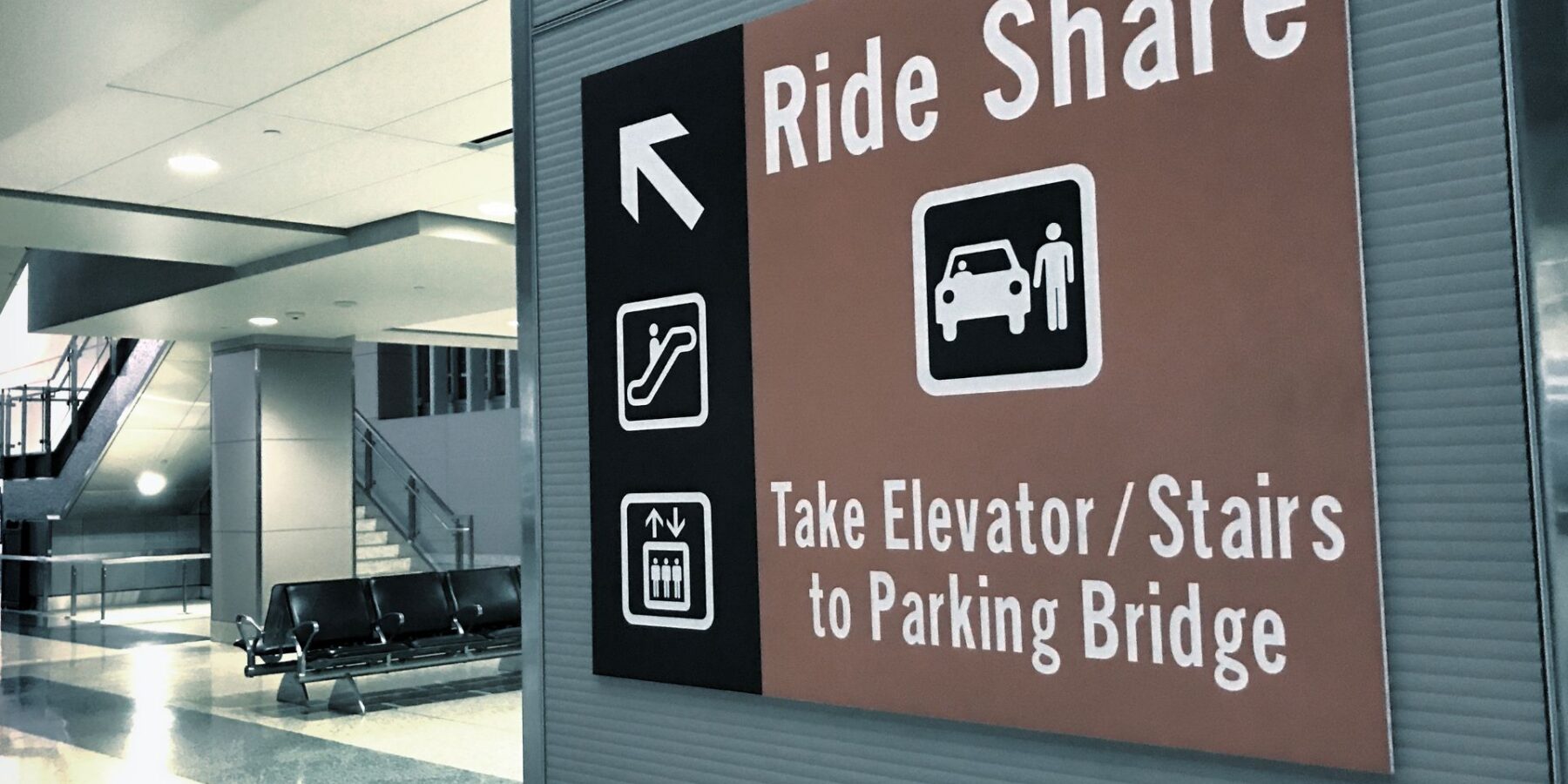
Rideshare Accident Lawyers in Boise
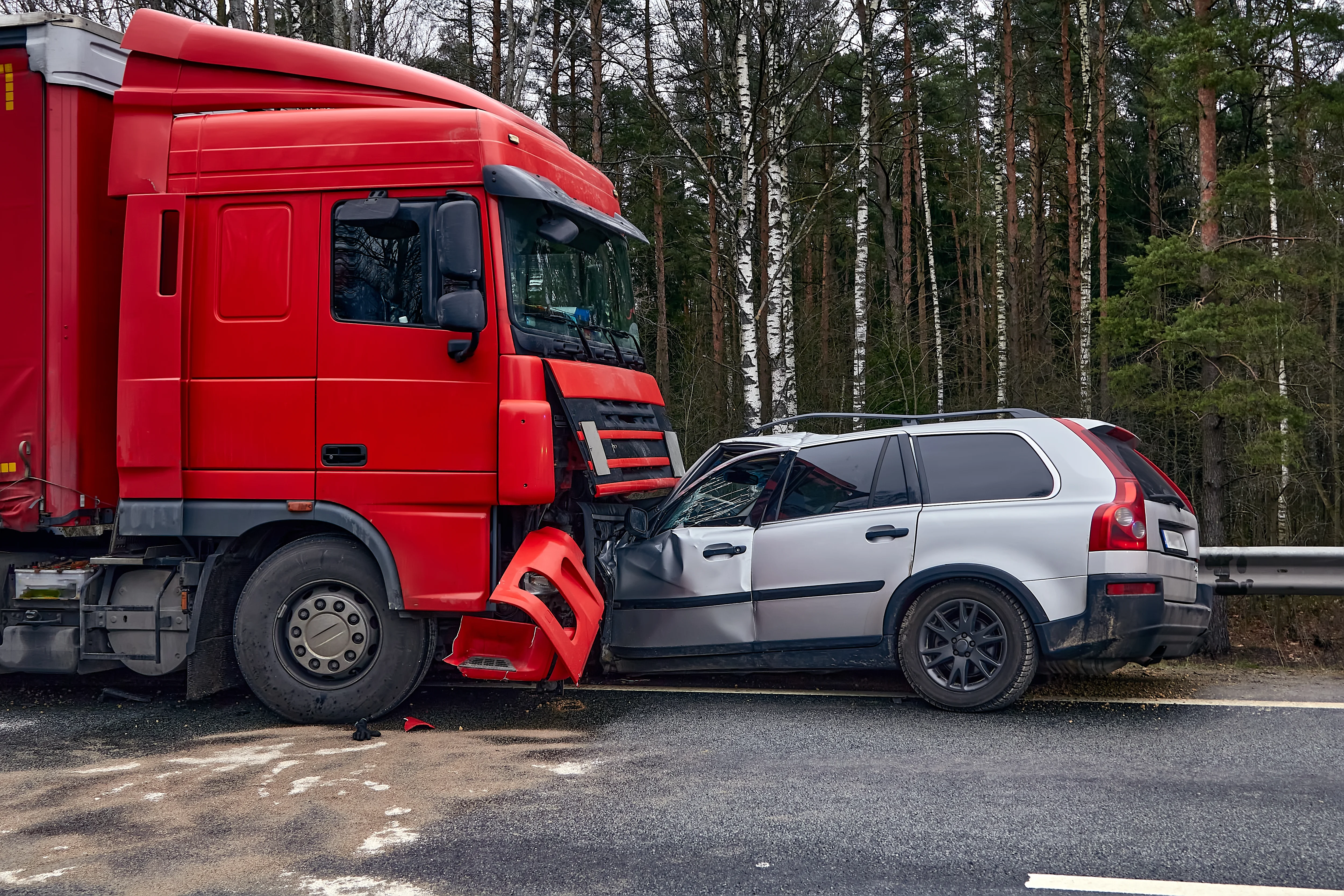
A rideshare crash creates liability and insurance questions that a normal collision does not always raise. You may be left wondering which insurance policy applies, whether the ride was active, or how Uber or Lyft will treat the claim. Rideshare accident lawyers in Boise help rideshare-related injury victims understand where responsibility lies after an app-based crash.
Goldberg & Loren reviews rideshare crashes by looking at the app status, driver conduct, insurance coverage, pickup or drop-off details, medical records, and the disruption the collision caused. A rideshare company may distance itself from the crash while insurers argue over which policy should respond. This confusion can delay payment and pressure injured people into accepting less than the claim deserves. We are here to make sure the full story is captured, and the maximum compensation is received for your rideshare case. Call Goldberg & Loren at (208) 886-1120 to speak with our rideshare accident lawyers in Boise today.

Which Insurance Policy Applies After a Boise Rideshare Crash
Insurance coverage after a rideshare crash depends on the driver’s app activity at the exact time of the collision. A driver who is offline, waiting for a ride request, traveling to pick up a passenger, or carrying someone through the app creates different coverage questions. Rideshare accident lawyers in Boise review those details because the wrong insurance position can delay payment and weaken recovery. Goldberg & Loren looks at trip records, crash timing, app status, driver conduct, and insurance communications to identify which coverage should respond. The claim needs policy answers before settlement discussions begin.
Insurance disputes often begin when companies point responsibility somewhere else. The rideshare company might argue the driver was outside active coverage, while a personal insurer might deny responsibility because the vehicle was being used for app-based work. Injured passengers, drivers, pedestrians, and other motorists can get caught between competing insurance positions. Coverage review separates delay tactics from real policy issues, so the claim moves forward with stronger support. Clear insurance analysis protects injured people from being stuck between insurers.
App Status Sets the First Coverage Question
Rideshare coverage starts with what the driver was doing inside the app when the crash happened. A driver waiting for a request presents different insurance issues than a driver already matched with a passenger. Trip records, timestamps, pickup details, route information, and driver statements help establish the correct coverage period. Insurers sometimes use unclear timing to dispute which policy applies or delay responsibility. Accurate app evidence gives the claim a stronger coverage foundation.
Offline Driving Usually Points to Personal Coverage
A driver who was not logged into the rideshare app usually falls under personal auto coverage. That issue still needs verification because insurers might disagree about app use near the crash time. Phone records, app screenshots, and trip history help confirm whether rideshare coverage belongs in the claim.
Waiting for a Ride Request Changes the Policy Analysis
A driver logged into the app without an accepted ride creates a separate coverage issue. Insurance questions often focus on whether the driver was available for rides but not yet transporting anyone. App activity records help identify which coverage layer belongs in the claim.
Accepted Trips Bring Higher Insurance Questions
Coverage often changes once a driver accepts a ride request through the app. A crash during the trip to pick up a passenger or during the ride itself might involve higher rideshare insurance limits. The timeline between ride acceptance, pickup, route movement, and crash location becomes important when injuries require significant treatment. These details matter because larger policies often affect whether full losses receive serious consideration. Strong timing proof prevents insurers from minimizing available coverage.
Pickup Routes Require Precise Timeline Review
A driver heading toward a passenger might already be operating under active rideshare coverage. The pickup route, trip timestamp, and app navigation details help confirm that status. Those records need review before insurers narrow the policy discussion.
Passenger Trips Need Complete Coverage Evaluation
A passenger trip usually creates the clearest connection to rideshare insurance. Even then, insurers might dispute injury severity, fault, or which losses qualify for payment. Complete coverage evaluation keeps the claim from stopping at a basic policy answer.
Personal Insurers Often Challenge Rideshare Use
Personal auto insurers frequently question claims involving commercial or app-based driving. A driver’s personal policy might argue that rideshare activity removed the crash from ordinary coverage. Denial letters, policy wording, driver statements, and app records help determine whether that position is accurate. Injured people should not accept a denial without understanding the coverage facts behind it. Insurance exclusions need careful legal review.
Denial Letters Reveal the Insurer’s Position
A denial letter might rely on policy exclusions, incomplete facts, or disputed app status. The wording often shows what the insurer believes and what evidence could challenge that position. Careful review of the letter helps determine the next coverage step.
Policy Wording Controls Important Coverage Details
Policy wording explains exclusions, coverage limits, notice duties, and post-crash obligations. Small differences in language might affect whether a claim proceeds against one insurer or another. Careful policy review gives the claim a more accurate direction.
Coverage Delays Put Injured People Under Pressure
Coverage disputes can leave injured people waiting while medical bills, missed income, and transportation problems continue. Insurance companies might delay decisions, request repeated documents, or argue about responsibility before addressing the actual harm. The claim needs pressure on the coverage issue while injuries, expenses, and daily disruption are documented at the same time. This prevents the case from becoming only an insurer-to-insurer argument. The injured person’s recovery must stay central.
Medical Bills Do Not Pause During Insurance Disputes
Emergency bills, follow-up care, prescriptions, and therapy costs continue while insurers argue over coverage. Delayed policy decisions create stress long before settlement discussions begin. Documenting those costs protects the claim during the dispute.
Early Coverage Review Prevents Costly Confusion
Early coverage review identifies rideshare status, involved policies, coverage limits, and possible denial issues. That information gives injured people a clearer path before insurers control the process. Strong policy analysis keeps the claim moving forward.
How Driver App Activity Affects a Boise Rideshare Case
Driver app activity can change the direction of a rideshare injury claim from the first review. A driver who was waiting for a ride request presents different liability and insurance questions than a driver already heading toward a passenger. Rideshare accident lawyers in Boise examine app status because trip timing affects coverage, responsibility, and the records needed to prove the claim. The app history also helps show whether the driver was distracted, rushing, accepting rides, or following navigation when the crash happened. A rideshare case becomes stronger when app activity matches the crash timeline.
App data gives injured people a way to challenge unclear insurance positions and incomplete driver explanations. Ride acceptance times, pickup details, route movement, cancellation records, driver availability, and trip completion status all create important context. Those details matter when Uber, Lyft, personal insurers, or commercial policies disagree about responsibility. The claim needs a timeline built from records rather than guesses about what the driver was doing. App activity often becomes the key to unlocking the right case strategy.
Logged-In Status Changes the Insurance Analysis
A rideshare driver’s logged-in status affects which insurance questions need attention after the crash. Someone driving with the app closed usually presents a different claim than someone waiting for a request. App availability records help show whether the driver was using the vehicle for rideshare work when the collision happened. Insurers sometimes dispute logged-in status when coverage becomes expensive or unclear. Accurate app records prevent the claim from depending on unsupported statements.
Driver Availability Records Show the App Was Active
Driver availability records show when the rideshare driver was open to receiving ride requests. Those records matter because active availability might trigger coverage questions that differ from ordinary personal driving. Screenshots, account history, and platform data help confirm the driver’s status near the crash time.
Personal Insurance Denials Often Depend on App Use
Personal insurers often review app use before deciding whether to accept responsibility. A denial might claim the driver was working through a rideshare platform when the crash occurred. App records help test whether that denial matches the actual trip history.
Ride Acceptance Timing Affects Liability Questions
Ride acceptance timing matters because a driver might change behavior after receiving a request. Some drivers hurry toward pickup locations, watch navigation closely, or focus on app instructions instead of nearby traffic. Those details can affect how fault is evaluated when the crash happens shortly after a ride is accepted. App timestamps help compare the driver’s digital activity with roadway movement before impact. A precise timeline gives the claim a stronger factual direction.
Pickup Navigation May Explain Distracted Driving
Pickup navigation can pull a driver’s attention toward the phone during busy traffic moments. A driver looking between the road, app map, and pickup instructions might miss signals, pedestrians, lane changes, or stopped vehicles. App navigation records help explain why the driver failed to react safely.
Accepted Ride Details Clarify the Driver’s Purpose
Accepted ride details show where the driver was headed and why the vehicle was moving through that area. The pickup address, route, and timestamp help connect app activity to the crash location. That information reduces confusion when insurers dispute the driver’s purpose.
Canceled or Interrupted Trips Need Careful Review
Canceled or interrupted trips create confusing insurance questions after a rideshare crash. A driver might cancel a ride near the collision time, lose app connection, or end a trip before the crash report clearly explains what happened. Those details matter because insurers might use cancellation timing to deny responsibility or shift coverage elsewhere. Reviewing app records helps determine whether the trip was still connected to rideshare activity. A cancellation does not automatically end every coverage issue.
Cancellation Timestamps Require Exact Comparison
Cancellation timestamps need comparison against the crash time, location, and driver statements. A few minutes can affect which insurer tries to accept or reject the claim. Precise timing helps expose coverage arguments built around incomplete information.
Interrupted Trips Create Disputed Coverage Windows
Interrupted trips might involve app glitches, passenger cancellations, route changes, or unexpected stops before impact. These facts create coverage windows that deserve careful review instead of quick denial. Trip history helps explain whether rideshare activity still shaped the crash.
App-Based Distraction Can Support Fault Arguments
App-based distraction matters when a driver interacts with rideshare technology instead of focusing on the road. A driver might accept requests, check navigation, message a rider, adjust pickup details, or respond to platform alerts while driving. These actions can explain delayed braking, missed turns, unsafe lane changes, or failure to notice traffic conditions. Phone records and app activity help connect digital behavior to unsafe driving. Fault becomes clearer when distraction evidence supports the crash sequence.
Platform Alerts Can Pull Attention From Traffic
Platform alerts can interrupt a driver during intersections, lane changes, and pickup approaches. Notifications about rides, navigation, rider messages, or route updates might compete with safe driving decisions. App activity records help show whether digital distractions affected attention before impact.
Phone Interaction Records Strengthen Distraction Claims
Phone interaction records can show taps, messages, screen activity, and app use near the collision time. Those records become important when a driver denies distraction or claims full attention to the road. Digital evidence gives the fault argument stronger support.

How Goldberg & Loren Protects Boise Rideshare Accident Claims
Goldberg & Loren protects rideshare accident claims by keeping the case focused on the injured person instead of the insurer dispute. Uber, Lyft, personal insurers, and commercial coverage providers may each try to limit responsibility when policy questions become expensive. The firm reviews coverage positions, medical records, income loss, crash facts, and claim communications before settlement pressure builds. This approach gives injured people a clearer path when several companies delay answers. Rideshare claims need organized pressure from the beginning.
A Boise rideshare crash can affect passengers, other drivers, pedestrians, cyclists, and rideshare drivers hurt during app-based travel. The claim may involve medical bills, missed work, transportation issues, pain, and uncertainty about which insurer should respond first. Goldberg & Loren’s rideshare accident lawyers in Boise work to reduce confusion while building documentation that supports both liability and damages. Injured people should not be left waiting while companies argue over responsibility. Strong legal protection keeps recovery from getting pushed aside.
Coverage Delays Get Addressed Before They Stall Recovery
Coverage delays create real problems when injured people need treatment, income, and transportation after a rideshare crash. Insurers may request repeated documents, dispute trip status, or claim that another policy should handle payment first. Goldberg & Loren reviews these positions and pushes for answers before delay becomes the main obstacle. This work keeps the claim moving while medical and financial losses continue developing. Delay should not control an injured person’s recovery.
Repeated Insurance Requests Need a Firm Response
Repeated insurance requests can overwhelm injured people who have already provided the same information. Medical releases, trip details, repair records, and claim forms should not become tools for unnecessary delay. Legal pressure forces insurers to explain what they actually need.
Policy Disputes Should Not Pause Medical Care
Medical treatment often continues while insurers argue about coverage responsibility. Emergency bills, therapy appointments, prescriptions, and specialist referrals create pressure long before settlement occurs. The claim should account for treatment needs during the dispute.
Medical and Wage Losses Receive Complete Documentation
Rideshare injuries can interfere with work, movement, sleep, and daily obligations in ways insurance forms rarely capture. Medical records need to show the diagnosis, treatment plan, pain level, restrictions, and recovery timeline connected to the crash. Wage proof should explain missed shifts, reduced hours, used leave time, or business disruption caused by the injuries. Goldberg & Loren organizes these records so that damages are not reduced to incomplete bills. Full documentation gives the claim stronger value.
Work Schedules Show the Real Income Disruption
Work schedules reveal how the crash changed income after missed shifts or reduced hours. Employer letters, pay records, and timekeeping reports connect injury restrictions to lost earnings. These details become especially important for hourly workers.
Treatment Notes Explain More Than Diagnosis Names
Treatment notes describe pain patterns, mobility limits, therapy progress, and medical restrictions. Those details show how the injury affects work, driving, and home responsibilities. Strong medical records make losses harder to minimize.
Injured Riders Get Clear Direction During Insurance Disputes
Insurance disputes feel especially frustrating when injured people do not know which company is handling the claim. Conflicting adjuster messages can make the process feel stalled, even when medical bills and missed income continue. Goldberg & Loren’s rideshare accident lawyers in Boise give clients direct guidance about documents, deadlines, communication, and settlement decisions. Clear direction prevents injured people from guessing their way through competing insurance positions. A rideshare claim should feel manageable, not chaotic.
Adjuster Messages Need Careful Handling
Adjuster messages often contain deadlines, document requests, coverage statements, and settlement language. Responding too quickly without understanding the claim can create avoidable problems. Legal guidance keeps communication focused and controlled.
Settlement Decisions Require Complete Claim Information
Settlement decisions should happen after injuries, income loss, and coverage issues are understood. Early offers may ignore future treatment, ongoing pain, or unresolved policy disputes. Complete information protects injured people from accepting less.
Settlement Timing Requires Careful Claim Review
Rideshare accident settlements should not move forward before the injury picture and coverage issues are understood. Early offers often arrive while treatment continues, wage losses grow, and policy disputes remain unresolved. A rushed agreement could leave an injured person responsible for expenses that appear later. Rideshare accident lawyers in Boise review settlement timing against medical progress, insurance positions, and documented financial losses. Careful timing protects the claim from being closed too soon.
Future Treatment Changes the Value Discussion
Future treatment recommendations affect how much compensation the claim should demand. Specialist referrals, therapy extensions, injections, imaging, or surgery discussions deserve review before settlement decisions happen. Medical uncertainty should not be ignored during negotiation.
Unresolved Coverage Issues Make Early Offers Risky
An early offer might not reflect every policy available after a rideshare crash. Coverage disputes, denial letters, and competing insurer positions need review before accepting payment. Complete policy information protects injured people from avoidable financial loss.
Start Your Free Consultation With Goldberg & Loren’s Rideshare Accidents Lawyers in Boise Today
A rideshare crash can leave you hurt, confused about coverage, and waiting while companies argue over responsibility. Uber, Lyft, personal insurers, and other policy providers do not get to decide your recovery through delay or blame. Goldberg & Loren reviews the crash, identifies the insurance issues, and protects your claim from being delayed or settled for less. You deserve direct legal answers before making settlement decisions.
Your case should move forward with clear direction and serious documentation. Medical bills, missed income, app records, and coverage disputes all need attention before the claim is valued. Speak with our rideshare accident lawyers in Boise who understand how rideshare crashes create pressure for injured people. Call Goldberg & Loren today at (208) 886-1120 or visit our contact page for a free case review today.
Practice Areas
Trust Us With Your Personal Injury Claim
If you or a loved one have been injured, Goldberg & Loren will fight for you every step of the way. We will give our all to secure the compensation you rightfully deserve.



Contact usfor a free consultation.
Phone: (208) 886-1120