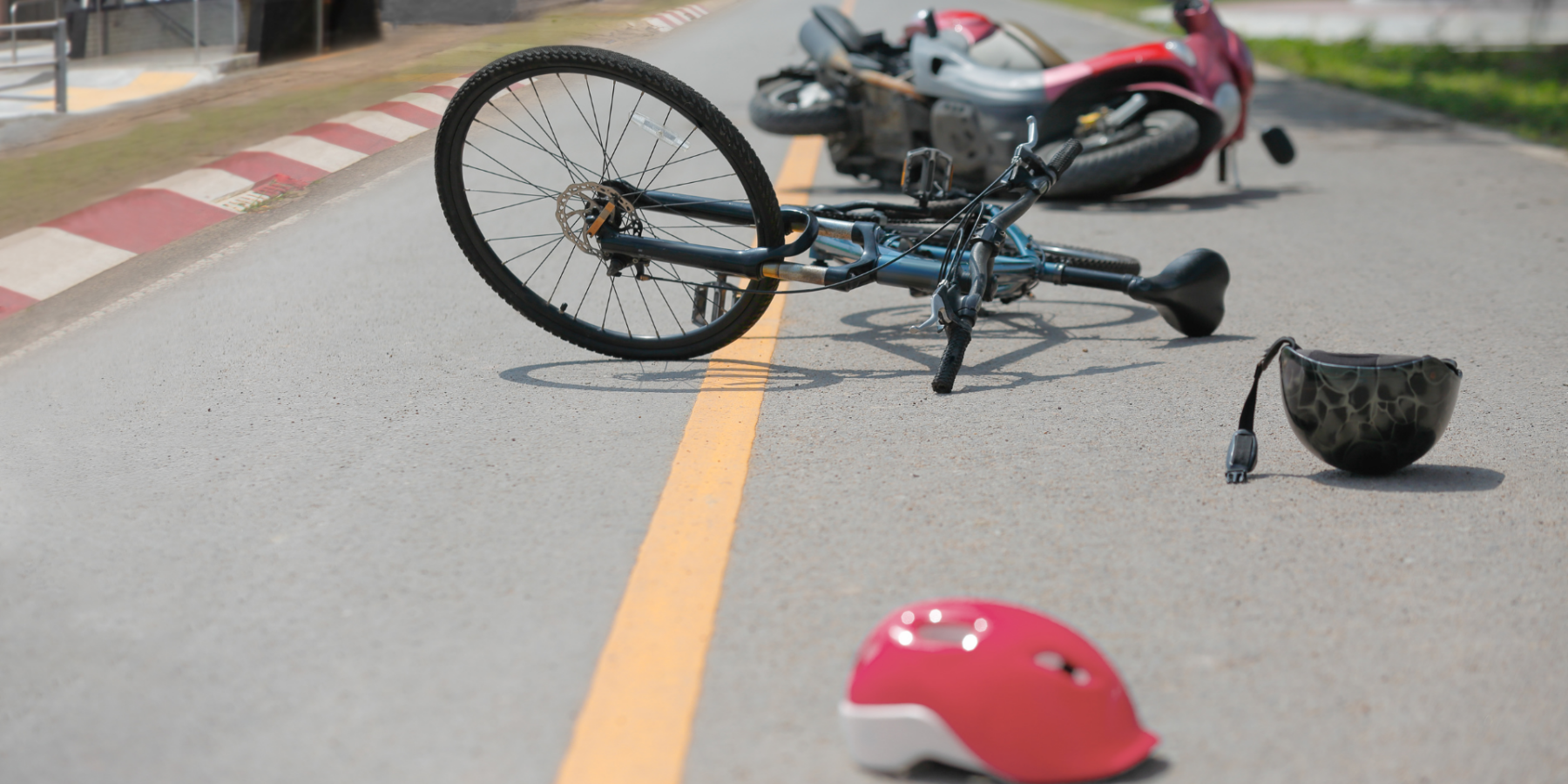
A mountain biker suffered serious injuries after crashing in the Boise Foothills, according to KTVB. Emergency responders were dispatched to assist the injured rider, highlighting the significant dangers that can accompany mountain biking and other cycling activities on challenging terrain. Serious bicycle crashes can leave victims facing extensive medical treatment, lengthy rehabilitation, and unexpected financial hardships. Whether an accident occurs on a trail or another location, understanding your legal rights can become an important part of the recovery process. Speaking with a Boise bike crash attorney can help injured cyclists better understand their legal options after a serious accident.
At Goldberg & Loren, we understand that a serious bicycle crash can affect every aspect of your life. Injured riders often face mounting medical bills, lost income, physical pain, and uncertainty about what comes next after a devastating accident. Our legal team works diligently to investigate every case, preserve valuable evidence, and protect our clients throughout the claims process. We remain committed to providing compassionate guidance while pursuing the compensation our clients deserve after serious cycling injuries. If you or someone you love has been injured in a bicycle accident, call us at (208) 886-1120 to discuss your case with our experienced team.

Why You Need a Boise Bike Crash Attorney
At Goldberg & Loren, our Boise bike crash attorney team understands the unique legal challenges that often arise after serious bicycle accidents. We carefully investigate every collision while gathering evidence that helps establish liability and supports our clients’ claims for compensation. Additionally, we communicate directly with insurance companies so our clients can focus on healing instead of managing stressful claim negotiations. Our goal remains protecting your legal rights while pursuing the maximum compensation available under Idaho law. Every case receives personalized attention because we know every bicycle accident presents different facts and challenges.
We recognize that insurance companies may attempt to dispute liability or minimize the value of a bicycle injury claim. Therefore, we work with medical professionals, accident reconstruction specialists, and other experts whenever additional evidence strengthens a client’s case. We carefully evaluate current and future damages to ensure every loss receives proper consideration throughout the claims process. Our team remains dedicated to providing responsive communication, honest guidance, and determined legal representation from beginning to end. We work tirelessly to help our clients pursue meaningful financial recovery after serious bicycle accidents.

Steps to Take After a Boise Bicycle Crash
The moments following a Boise bicycle crash can feel overwhelming, especially when injuries, damaged equipment, and uncertainty make it difficult to know what to do next. Taking the appropriate steps immediately after an accident helps protect both your health and your ability to pursue compensation later. Additionally, acting quickly allows important evidence to remain available while witnesses and investigators can still document accurate information. Every bicycle accident presents different circumstances, yet early preparation often strengthens both insurance claims and potential legal proceedings. Understanding what actions to take can make the recovery process more manageable while protecting your legal rights.
Prioritize Your Safety and Seek Medical Attention
Your health should always remain the highest priority after any bicycle accident. Move to a safe location if possible while waiting for emergency responders to arrive and avoid placing yourself in additional danger. Even when injuries appear minor, seek immediate medical attention because some conditions develop gradually after the initial impact. Additionally, prompt treatment creates medical records that directly connect your injuries to the bicycle crash. Early medical care supports both your recovery and any future injury claim.
Allow Medical Professionals to Complete a Thorough Evaluation
Serious bicycle accidents often cause injuries that may not become noticeable until hours after the collision. Medical providers can identify head injuries, fractures, internal trauma, and soft tissue damage before complications become more severe. Following recommended examinations also creates documentation describing the full extent of your injuries. Furthermore, detailed medical records frequently become important evidence during insurance claim evaluations. Comprehensive evaluations provide a clearer understanding of your recovery needs.
Continue Following Your Treatment Plan
Recovery often extends well beyond the initial emergency room visit following a bicycle accident. Attending follow-up appointments, physical therapy sessions, specialist evaluations, and rehabilitation programs demonstrates your commitment to healing. Consistent treatment also creates a complete medical history documenting your progress over time. Thorough medical records frequently strengthen personal injury claims.
Report the Boise Bicycle Crash
Reporting the accident creates an official record that may become valuable throughout the insurance and legal process. Law enforcement officers often gather important information regarding roadway conditions, vehicle damage, witness statements, and preliminary observations at the scene. Additionally, official reports establish an early timeline that investigators may later reference during their review. Prompt reporting also reduces confusion if disputes arise regarding how the collision occurred. Accurate reporting supports a more complete investigation.
Provide Honest and Accurate Information
Answer questions from responding officers using only facts you personally know. Avoid making assumptions regarding fault or discussing issues that remain uncertain while the investigation continues. Clear and accurate information allows investigators to document the collision more effectively. Additionally, consistent statements strengthen the credibility of your account throughout the claims process. Honest communication benefits every stage of the investigation.
Obtain the Police Report Information
Request the report number and the name of the responding law enforcement agency before leaving the scene whenever possible. Having this information makes it easier to obtain a copy of the completed report later. The report may contain witness information, diagrams, and important observations relevant to your claim. Organized documentation simplifies communication with insurance companies.
Document the Scene and Preserve Evidence
Evidence collected shortly after a Boise bicycle crash often becomes one of the strongest parts of an injury claim. Photograph the bicycle, involved vehicles, roadway conditions, traffic signs, weather conditions, skid marks, debris, visible injuries, and the surrounding area whenever it is safe to do so. Additionally, preserving evidence immediately helps prevent important details from disappearing before the investigation concludes. Strong documentation creates a more accurate picture of how the accident occurred. Early evidence collection frequently strengthens liability determinations.
Gather Witness and Driver Information
Exchange contact and insurance information with the driver involved in the collision whenever circumstances safely allow. If witnesses observed the accident, ask for their names and telephone numbers before they leave the scene. Independent witness statements often provide valuable information regarding how the crash occurred. Additionally, investigators may need to contact witnesses later if additional clarification becomes necessary. Reliable witness information frequently strengthens injury claims.
Protect Digital Evidence
Store photographs, videos, dash camera recordings, and electronic communications in multiple secure locations whenever possible. Creating backup copies helps prevent accidental deletion or technical issues from destroying valuable evidence. Organized digital files also make it easier to provide documentation during insurance negotiations. Careful preservation strengthens the reliability of important evidence.
Notify Your Insurance Company and Stay Organized
Report the bicycle accident to your insurance company within the timeframe required under your policy. Provide accurate information regarding the collision without speculating about facts that remain under investigation. Insurance representatives may request medical records, repair estimates, photographs, and additional documentation throughout the claims process. Maintaining organized records helps you respond efficiently while reducing unnecessary delays. Careful preparation supports a smoother insurance experience.
Keep Records of Every Accident-Related Expense
Maintain copies of medical bills, repair estimates, prescription receipts, travel expenses, wage information, and all correspondence related to the accident. These records help demonstrate the financial impact of the collision while supporting your request for compensation. Organized documentation also reduces confusion if additional information becomes necessary later. Thorough recordkeeping strengthens the overall presentation of your claim.
Monitor Important Deadlines
Bicycle accident claims often involve insurance reporting deadlines, document requests, and legal filing requirements. Staying organized helps ensure every important deadline receives timely attention throughout the recovery process. Missing deadlines may create unnecessary complications that delay your claim. Careful planning allows your case to move forward more efficiently while protecting your legal rights.

Evidence That Can Strengthen a Boise Cycling Injury Claim
Strong evidence often determines how successfully an injured cyclist can pursue compensation after a serious Boise bicycle accident. Insurance companies carefully examine every available document, photograph, and witness statement before evaluating liability and damages. Additionally, well-preserved evidence helps establish how the collision occurred while demonstrating the full impact of the resulting injuries. Every piece of information contributes to building a clearer understanding of the accident. Gathering evidence as early as possible frequently strengthens both insurance negotiations and potential legal proceedings.
Medical Records Document the Full Extent of Injuries
Medical records often provide some of the strongest evidence available in a Boise cycling injury claim. Emergency room evaluations, physician notes, diagnostic imaging, surgical reports, rehabilitation records, and prescription information help establish the seriousness of the injuries sustained. These records also connect your medical condition directly to the bicycle accident while documenting your recovery over time. Additionally, ongoing treatment demonstrates how the injuries continue affecting your daily activities and overall quality of life. Thorough medical documentation supports both current and future damages.
Continue Following Your Treatment Plan
Consistent medical treatment creates a complete record of your recovery while demonstrating your commitment to improving your condition. Attending follow-up appointments, physical therapy sessions, specialist consultations, and additional testing provides objective evidence regarding your progress. Furthermore, healthcare providers regularly update your records to reflect ongoing symptoms, limitations, and future treatment recommendations. Insurance companies often review treatment consistency when evaluating injury claims. Complete medical documentation frequently strengthens settlement discussions.
Keep Every Medical Record Organized
Maintaining organized medical records makes the claims process much more efficient from beginning to end. Save physician notes, hospital invoices, rehabilitation summaries, prescription receipts, diagnostic reports, and insurance explanations of benefits whenever possible. Organized documentation allows insurance representatives and other professionals to review your claim more effectively. Complete records provide stronger support for your request for compensation.
Photographs and Videos Preserve Valuable Evidence
Visual evidence frequently captures important details that may disappear shortly after a bicycle collision. Photographs should document the bicycle, vehicle damage, roadway conditions, traffic signals, crosswalks, weather conditions, skid marks, debris, and visible injuries whenever possible. Videos may also capture surrounding traffic patterns or environmental conditions that help explain how the accident occurred. Additionally, visual documentation often supports witness testimony and accident reconstruction findings. Early photographs preserve valuable information before conditions change.
Surveillance Footage May Strengthen the Investigation
Nearby businesses, residential security cameras, traffic cameras, and dash cameras may record important moments leading up to the collision. These recordings often provide objective evidence regarding vehicle movements, cyclist positioning, traffic signals, and driver behavior before impact. Investigators frequently compare surveillance footage with physical evidence and witness statements throughout the investigation. Additionally, video recordings may help resolve disputed liability issues. Reliable footage often becomes one of the strongest forms of evidence available.
Preserve Digital Files Carefully
Digital evidence should remain securely stored throughout the entire claims process. Backing up photographs, videos, surveillance footage, and electronic communications helps prevent accidental deletion or equipment failure. Maintaining original files also preserves important timestamps and other identifying information. Careful preservation improves the reliability of digital evidence during insurance negotiations and legal proceedings.
Witness Statements Help Establish Liability
Independent witnesses often provide valuable observations regarding how a Boise bicycle accident occurred. Witnesses may remember vehicle movements, cyclist actions, traffic signal changes, weather conditions, or driver behavior before the collision. Their testimony frequently helps explain details that physical evidence alone cannot fully establish. Additionally, multiple witness accounts often create a more complete timeline of the accident. Credible witness testimony strengthens both insurance claims and potential litigation.
Gather Witness Information Quickly
Witnesses frequently leave the accident scene shortly after emergency responders arrive. Collecting names, telephone numbers, and other contact information as soon as possible helps preserve valuable testimony while memories remain fresh. Prompt interviews also reduce the likelihood that important details become forgotten over time. Furthermore, investigators may need to contact witnesses again if additional questions arise during the investigation. Early witness identification frequently strengthens the overall claim.
Compare Witness Statements With Other Evidence
Investigators regularly compare witness testimony with police reports, surveillance footage, photographs, and physical evidence collected from the accident scene. Consistent information across multiple sources increases confidence in the investigation’s conclusions. When differences appear, investigators may gather additional evidence before determining liability. Careful comparison creates a more reliable understanding of the collision.
Official Reports and Expert Analysis Support the Claim
Police reports often provide valuable information collected immediately after a bicycle accident. These reports typically include roadway observations, witness information, diagrams, driver statements, and preliminary findings documented by responding officers. Additionally, accident reconstruction specialists may analyze vehicle damage, bicycle damage, roadway measurements, and physical evidence to determine how the collision occurred. Their technical findings often explain complicated issues involving speed, visibility, impact angles, and braking activity. Combining official reports with expert analysis creates a stronger foundation for evaluating liability.
Accident Reconstruction Can Clarify Complex Cases
Some Boise bicycle accidents involve disputed facts that require specialized technical analysis before liability can be determined accurately. Accident reconstruction specialists evaluate physical evidence using scientific methods to recreate the sequence of events leading to the collision. Their findings may explain vehicle speeds, cyclist positioning, braking distances, impact locations, and driver responses before the accident occurred. Additionally, reconstruction reports often provide objective support during insurance negotiations and legal proceedings. Expert analysis frequently strengthens complex bicycle injury claims.
Organized Documentation Creates a Stronger Claim
Keeping every report, receipt, photograph, medical record, repair estimate, and written communication organized helps present a complete picture of the accident. Well-organized documentation allows insurance companies and legal professionals to evaluate your claim more efficiently. Thorough records also reduce unnecessary delays whenever additional information becomes necessary throughout the claims process. A comprehensive collection of evidence creates a stronger foundation for pursuing fair compensation after a serious Boise bicycle accident.
Challenges Cyclists Face After a Serious Boise Bike Crash
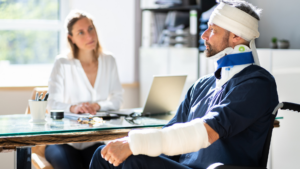
A serious Boise bike crash can affect nearly every aspect of a cyclist’s life long after the initial collision occurs. Many injured riders face extensive medical treatment, financial uncertainty, emotional distress, and significant changes to their daily routines. Additionally, recovering from a bicycle accident often involves navigating insurance claims while managing physical limitations and ongoing healthcare needs. Every cyclist experiences different challenges depending on the severity of the injuries and the circumstances surrounding the collision. Understanding these difficulties helps injured riders prepare for the recovery process while protecting their legal rights.
Recovering From Serious Physical Injuries
Cyclists have very little protection during a collision, making severe injuries much more likely than in many other traffic accidents. Broken bones, traumatic brain injuries, spinal injuries, internal injuries, and extensive road rash often require lengthy medical treatment and rehabilitation. Recovery may involve multiple surgeries, physical therapy, occupational therapy, and ongoing medical evaluations over many months. Additionally, some injuries may create permanent physical limitations that affect future mobility and independence. Comprehensive medical care often becomes an essential part of the long-term recovery process.
Rehabilitation Can Take Months or Longer
Many injured cyclists require extensive rehabilitation before returning to normal daily activities. Physical therapy helps improve strength, flexibility, balance, and mobility while reducing long-term complications from serious injuries. Occupational therapy may also help individuals regain important skills needed for work and independent living. Furthermore, healthcare providers regularly evaluate progress to determine whether additional treatment remains necessary. Consistent rehabilitation supports the best possible recovery outcome.
Recovery Looks Different for Every Cyclist
No two bicycle accident victims heal at the same pace following a serious collision. Age, overall health, injury severity, and treatment compliance all influence the recovery process. Some individuals recover within several months, while others require ongoing medical care for years. Every recovery plan should reflect the injured person’s individual needs and medical condition.
Financial Pressures Can Grow Quickly
The financial consequences of a serious Boise bike crash often extend well beyond the initial emergency medical treatment. Hospital bills, follow-up care, rehabilitation expenses, prescription medications, and medical equipment can create significant financial strain. Additionally, many injured cyclists cannot immediately return to work, resulting in lost wages and reduced household income. Everyday expenses continue while medical costs increase, creating additional stress for injured individuals and their families. Careful financial planning often becomes necessary throughout recovery.
Lost Income Creates Additional Challenges
Missing work after a serious bicycle accident may significantly affect financial stability. Some injured cyclists return to work gradually, while others remain unable to perform their previous job duties for extended periods. Severe injuries may even require career changes if permanent physical limitations develop. Furthermore, self-employed individuals may experience additional financial hardship when they cannot continue operating their businesses. Lost earning capacity often becomes an important consideration during recovery.
Future Financial Needs Should Not Be Overlooked
Some injuries create ongoing medical expenses that continue long after the initial accident. Future rehabilitation, additional surgeries, assistive equipment, and long-term healthcare services may become necessary depending on the nature of the injuries. Planning for these future costs helps injured cyclists better understand the full financial impact of the collision. Comprehensive evaluations support more informed financial decisions.
Insurance Claims Can Become Complicated
Insurance claims following a serious bicycle accident often involve multiple parties and significant documentation requirements. Insurance companies may request medical records, repair estimates, witness information, photographs, and recorded statements before evaluating the claim. Additionally, disagreements regarding liability or damages may delay the resolution process. Understanding what documentation may be required helps injured cyclists prepare for these discussions. Organized records often improve communication throughout the claims process.
Liability May Be Disputed
Insurance companies sometimes disagree about who caused a bicycle collision or whether multiple parties share responsibility. Investigators may review police reports, surveillance footage, witness statements, roadway conditions, and physical evidence before reaching conclusions. Additionally, comparative negligence rules may affect how fault is evaluated depending on the specific circumstances of the accident. Thorough investigations frequently help resolve disputed liability issues. Strong evidence often supports more productive settlement negotiations.
Organized Documentation Makes a Difference
Maintaining organized records helps simplify communication with insurance representatives throughout the claims process. Medical bills, repair estimates, photographs, receipts, wage records, and written correspondence should remain together in an easily accessible location. Organized documentation also reduces unnecessary delays when additional information becomes necessary. Careful recordkeeping strengthens the overall presentation of a claim.
Emotional Recovery Often Takes Time
The emotional effects of a serious Boise bike crash may continue long after physical injuries begin healing. Many cyclists experience anxiety, stress, fear of riding again, or emotional trauma following a violent collision. These challenges may affect work performance, personal relationships, recreational activities, and overall quality of life. Additionally, adjusting to temporary or permanent physical limitations may create ongoing emotional difficulties during recovery. Recognizing these challenges allows injured cyclists to seek appropriate support when needed.
Returning to Cycling May Feel Difficult
Many injured cyclists struggle with confidence after experiencing a serious accident. Fear of another collision may make returning to recreational riding or bicycle commuting emotionally challenging. Some individuals gradually rebuild confidence through rehabilitation and shorter rides in controlled environments. Others may require additional time before feeling comfortable riding again. Every cyclist should return at a pace that supports both physical recovery and emotional well-being.
Patience Supports Long-Term Recovery
Recovering from a serious bicycle accident rarely happens overnight. Physical healing, emotional adjustment, and financial recovery often occur over many months rather than a few weeks. Remaining patient while following medical recommendations allows steady progress throughout the rehabilitation process. Taking recovery one step at a time helps injured cyclists build a stronger foundation for the future.

Contact an Experienced Boise Bike Crash Attorney Today
Recovering after a serious bicycle accident often involves difficult medical, financial, and legal decisions that can affect your future for years to come. Understanding your legal rights early allows you to preserve valuable evidence while protecting your ability to pursue compensation. Experienced legal guidance can also reduce unnecessary stress by helping you navigate insurance claims and other legal issues throughout the recovery process. Every bicycle accident deserves careful attention and a strategy tailored to the specific circumstances surrounding the crash. Taking prompt action often creates stronger opportunities to pursue a successful outcome.
Goldberg & Loren proudly represents injured cyclists and families throughout Boise following serious bicycle accidents. We work diligently to pursue compensation for medical expenses, lost wages, future treatment costs, pain and suffering, and other damages supported by the available evidence. Every client receives compassionate service, personalized attention, and dedicated legal advocacy throughout every stage of the legal process. Call us at (208) 886-1120 or reach out online today to schedule your free consultation.
Contact usfor a free consultation.
Phone: (208) 886-1120