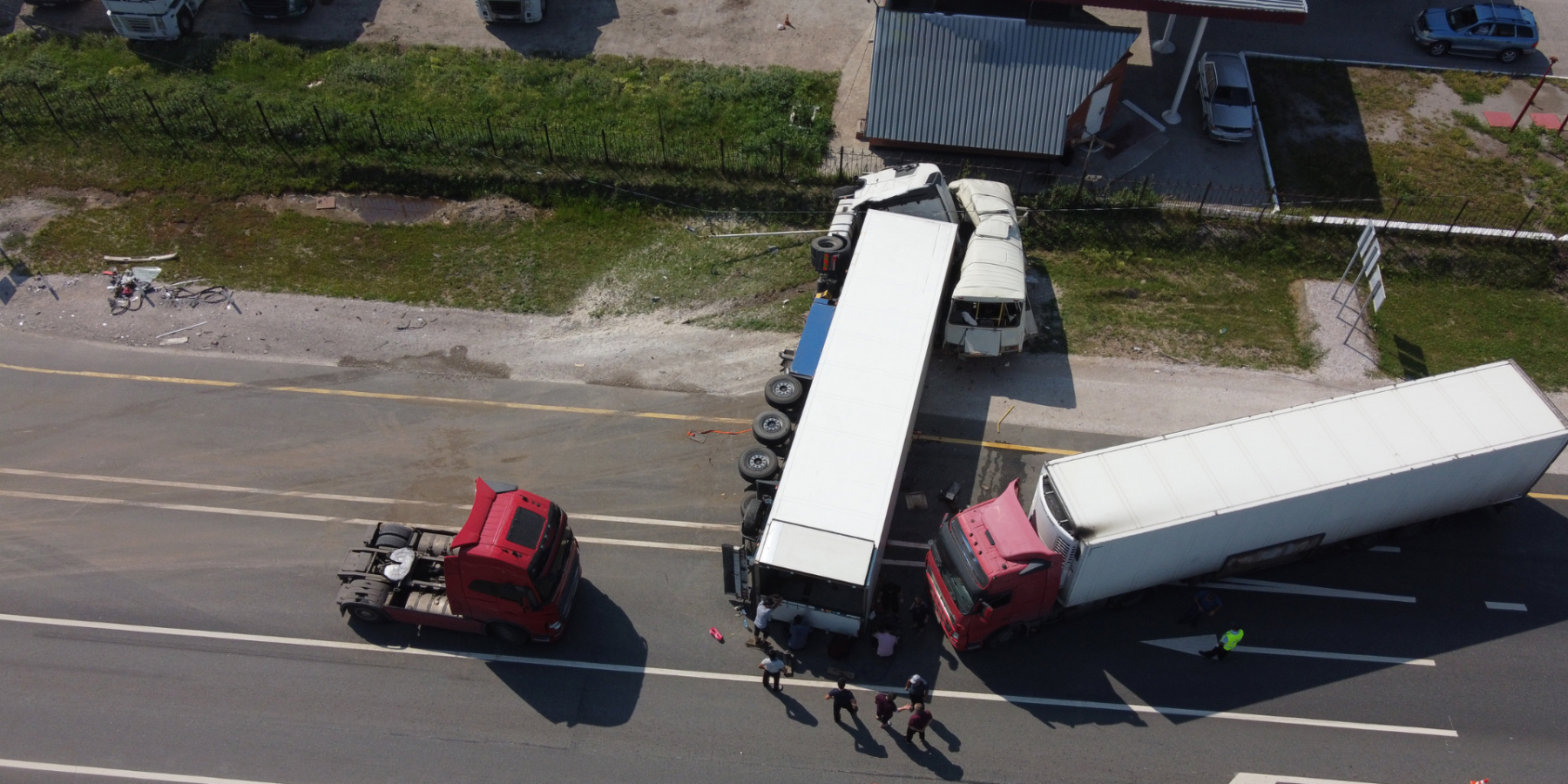
An Idaho Falls truck accident lawyer helps injured individuals gather the evidence necessary to establish liability and pursue fair compensation after a serious collision. Truck accident claims often involve multiple parties, extensive documentation, and federal regulations that make these cases more complex than typical motor vehicle accidents. Building a strong claim requires preserving critical evidence before it is lost while carefully documenting injuries, financial losses, and the circumstances surrounding the crash. Understanding what evidence matters most can help accident victims protect their rights from the very beginning. Early preparation frequently strengthens both insurance claims and potential legal action.
Recovering after a truck accident often means facing medical expenses, lost income, property damage, and uncertainty about the future. Goldberg & Loren understands how overwhelming this process can become while you focus on healing from serious injuries. Our team works diligently to investigate every accident, preserve valuable evidence, and develop legal strategies tailored to each client’s unique circumstances. We remain committed to protecting our clients’ interests throughout every stage of the claims process. If you have been injured in a truck accident, call us at (208) 886-1120 to discuss your legal options.
How an Idaho Falls Truck Accident Lawyer Can Help

At Goldberg & Loren, our Idaho Falls truck accident lawyer understands that strong evidence often determines the success of a truck accident claim. We work closely with our clients to identify, preserve, and analyze important documentation before it becomes unavailable or is altered over time. We review accident reports, witness statements, medical records, trucking company records, electronic data, and other available evidence while carefully evaluating every factor that contributed to the collision. Thorough preparation allows us to address complex liability issues involving drivers, trucking companies, maintenance providers, and other potentially responsible parties. We remain dedicated to protecting our clients’ rights through every phase of the legal process.
Truck accident investigations frequently require extensive documentation and detailed analysis before liability can be fully determined. We help our clients understand the importance of preserving evidence while communicating with insurance companies and monitoring the progress of the investigation. We also evaluate both current and future damages to ensure every aspect of the claim receives careful consideration. Every case receives individualized attention based on its unique facts and circumstances. Our goal is to build the strongest possible claim while providing dependable guidance throughout the process.
Police Reports Often Provide the Foundation
An official accident report frequently serves as one of the first documents reviewed during a truck accident investigation. Law enforcement officers document the location of the collision, roadway conditions, witness information, vehicle positions, and their initial observations about the accident. Although the report alone does not determine liability, it often provides investigators with valuable information that guides additional evidence collection. Accurate documentation creates a strong starting point for evaluating the claim. Every report deserves careful review.
Reviewing the Report for Accuracy
Accident reports occasionally contain factual errors involving names, vehicle descriptions, insurance information, or roadway details. Reviewing the report carefully helps identify any clerical mistakes that should be corrected through the appropriate procedures. Accurate information improves communication throughout the claims process. Careful review benefits every stage of the investigation. Organized documentation strengthens the case.
Small Details Can Matter
Minor inaccuracies sometimes create confusion later during insurance reviews or legal proceedings. Verifying important information early reduces unnecessary delays while improving the overall quality of the claim. Careful preparation benefits future case development. Every detail contributes to a stronger record.
Officer Observations Can Support the Investigation
Police officers frequently document roadway conditions, weather, vehicle damage, and statements made by the parties involved. These observations may provide valuable context when investigators evaluate how the collision occurred. Additional evidence often builds upon the information contained in the report. Thorough documentation strengthens liability analysis. Every observation may become important.
Independent Documentation Adds Credibility
Objective observations recorded shortly after the accident often provide useful information before conditions change. Combining these findings with other available evidence creates a more complete understanding of the collision. Careful analysis supports accurate conclusions. Strong documentation benefits the overall claim.
Electronic Trucking Records Can Reveal Important Information
Commercial trucks often contain electronic systems that record valuable operational data before and during a collision. Investigators may review electronic logging devices, engine control modules, onboard computers, GPS records, and other electronic information when evaluating the accident. These records may reveal details regarding vehicle speed, braking, driver hours, and other operational factors. Electronic evidence frequently plays a significant role in truck accident investigations. Prompt preservation remains important.
Electronic Logging Devices Document Driving Hours
Federal regulations generally require many commercial drivers to use electronic logging devices that record driving time and rest periods. These records help investigators determine whether fatigue or hours-of-service violations contributed to the collision. Reviewing electronic logs provides valuable insight into driver activity before the accident. Comprehensive analysis strengthens the investigation. Every record deserves careful evaluation.
Driver Fatigue May Become Relevant
Fatigue can reduce reaction time, impair judgment, and increase the likelihood of serious collisions. Reviewing driving schedules and required rest periods helps investigators evaluate whether driver exhaustion contributed to the accident. Complete documentation supports accurate findings. Thorough investigations improve liability evaluations.
Event Data Recorders Capture Vehicle Information
Many commercial trucks contain event data recorders that preserve operational information immediately before a collision. These systems may record vehicle speed, brake application, steering input, throttle position, and other mechanical data. Investigators use this information to better understand how the accident unfolded. Objective electronic evidence often strengthens accident reconstruction. Every recorded event provides valuable insight.
Data Preservation Is Time Sensitive
Electronic information may become unavailable if vehicles are repaired, returned to service, or data is overwritten. Prompt preservation helps ensure investigators can access important operational records before changes occur. Early action benefits the investigation. Careful planning protects valuable evidence.
Medical Records Help Establish Damages
Medical documentation demonstrates the injuries sustained during the truck accident while supporting claims for compensation. Emergency room records, physician notes, diagnostic imaging, rehabilitation records, surgical reports, and follow-up appointments all contribute to a complete understanding of the injuries. Consistent medical treatment creates a detailed record throughout recovery. Thorough documentation strengthens damage evaluations. Every healthcare provider contributes important information.
Continue Following Medical Recommendations
Attending scheduled appointments and completing recommended treatment demonstrates a consistent effort to recover from accident-related injuries. Ongoing medical records also document changes in physical condition over time. Complete healthcare documentation supports more accurate evaluations of damages. Consistent treatment benefits both recovery and the claim. Every appointment matters.
Recovery Often Takes Time
Serious truck accident injuries may require extended rehabilitation before healthcare providers fully understand long-term effects. Continuing treatment creates a more complete medical history while documenting ongoing limitations. Thorough records strengthen future damage assessments. Consistent care supports the overall claim.
Keep Copies of Healthcare Documentation
Maintaining organized medical records, bills, prescriptions, diagnostic reports, and therapy records simplifies communication throughout the claims process. Complete documentation helps demonstrate the financial impact of the injuries while supporting future compensation requests. Organized files improve efficiency during the investigation. Careful preparation benefits every stage of the case. Strong documentation supports informed evaluations.
Organized Records Reduce Delays
Keeping healthcare documents together allows important information to be located quickly whenever additional documentation becomes necessary. Organized files improve communication with insurance companies and other parties involved in the claim. Good recordkeeping strengthens the investigation. Thorough preparation benefits the legal process.
Witness Statements Can Strengthen the Claim
Independent witnesses often provide valuable observations regarding traffic conditions, vehicle movements, driver behavior, or other important facts surrounding the collision. Their statements may help clarify conflicting accounts while supporting other available evidence. Obtaining witness information as early as possible preserves more accurate recollections. Independent testimony frequently strengthens liability determinations. Every witness may contribute meaningful information.
Interview Witnesses Promptly
Memories naturally become less detailed as time passes after an accident. Speaking with witnesses early allows investigators to document observations while events remain fresh in their minds. Accurate statements improve the overall quality of the investigation. Timely interviews strengthen the claim. Careful documentation remains important.
Preserve Contact Information
Collecting complete names, telephone numbers, and email addresses allows investigators to follow up if additional clarification becomes necessary. Organized witness records simplify future communication throughout the investigation. Thorough preparation benefits the overall claim. Every contact may become valuable.
Compare Witness Accounts With Other Evidence
Investigators often compare witness statements with physical evidence, electronic records, photographs, and police reports to develop a more complete understanding of the accident. Consistent information from multiple sources strengthens factual conclusions while identifying potential inconsistencies. Comprehensive analysis improves the reliability of the investigation. Every source of evidence deserves careful review.
Multiple Sources Create Stronger Cases
Combining witness testimony with objective documentation often provides a clearer picture of how the collision occurred. Supporting evidence helps investigators evaluate liability with greater confidence. Organized investigations strengthen legal claims. Thorough preparation benefits every stage of the case.
How an Idaho Falls Truck Accident Investigation Determines Liability

Determining liability after a truck accident requires a detailed investigation that examines every available piece of evidence. Unlike many passenger vehicle collisions, truck accident cases often involve multiple parties, including commercial drivers, trucking companies, maintenance providers, cargo loaders, and manufacturers. Investigators carefully evaluate the actions of everyone involved while reviewing physical evidence, electronic records, and applicable state and federal regulations. A comprehensive investigation helps identify the factors that contributed to the collision and establishes who may be legally responsible. Thorough preparation creates a stronger foundation for insurance negotiations and potential legal proceedings.
Investigators Begin With the Accident Scene
The accident scene frequently provides some of the most valuable evidence available during the early stages of an investigation. Law enforcement officers and investigators examine roadway conditions, vehicle positions, skid marks, debris, traffic signals, and other physical evidence before those conditions change. Photographs, measurements, and diagrams help preserve the scene while supporting future analysis. Careful documentation creates a reliable record of how the collision occurred. Every observation may contribute to determining liability.
Physical Evidence Helps Explain the Collision
Damage patterns, roadway markings, and debris often reveal valuable information about vehicle movements before impact. Investigators compare physical evidence with witness statements and electronic data to better understand the sequence of events. This process helps identify potential contributing factors that may not be immediately obvious. Every piece of evidence strengthens the overall investigation. Thorough analysis supports accurate conclusions.
Conditions Can Change Quickly
Weather, traffic, and cleanup efforts may alter the accident scene within hours of the collision. Documenting the location as early as possible helps preserve evidence that may later disappear. Prompt investigation creates a more complete factual record. Early preparation benefits the entire claim.
Roadway Conditions Receive Careful Review
Investigators also evaluate roadway design, lighting, construction zones, weather conditions, and traffic control devices when determining liability. Unsafe road conditions sometimes contribute to serious truck accidents alongside driver error or mechanical failures. Examining every environmental factor provides a broader understanding of how the collision occurred. Comprehensive reviews strengthen the investigation. Every condition deserves careful evaluation.
Environmental Factors Matter
Rain, snow, fog, poor visibility, or damaged pavement may affect how commercial vehicles respond during emergency situations. Investigators consider these conditions together with driver actions and vehicle performance. Reviewing all contributing factors creates a more accurate liability assessment. Complete investigations produce stronger findings.
Commercial Driver Records Can Reveal Important Information
Truck drivers must comply with numerous federal and state regulations governing vehicle operation, qualifications, and hours of service. Investigators review these records to determine whether regulatory violations contributed to the collision. Driver qualifications, employment history, training records, and driving schedules often become important pieces of evidence. Careful review helps identify preventable safety issues. Every record may influence the liability determination.
Hours-of-Service Records Are Closely Examined
Federal regulations limit the number of hours commercial drivers may operate without required rest periods. Investigators review electronic logging device records to determine whether fatigue or hours-of-service violations played a role in the accident. Driver schedules may reveal patterns that contributed to reduced alertness. Complete record reviews strengthen liability evaluations. Thorough documentation remains essential.
Fatigue Can Affect Safe Driving
Driver fatigue may reduce reaction time, impair judgment, and increase stopping distances for large commercial vehicles. Reviewing work schedules and required rest breaks helps investigators determine whether exhaustion contributed to the crash. Careful analysis supports informed conclusions. Every detail matters during the investigation.
Driver Qualification Files May Provide Additional Evidence
Commercial drivers must satisfy licensing, medical certification, and training requirements before operating large trucks. Investigators review qualification files to verify compliance with these standards while identifying any prior safety concerns. Employment records sometimes reveal issues relevant to the accident. Thorough evaluations improve the overall investigation. Complete documentation strengthens liability analysis.
Training Records Can Be Important
Proper driver training prepares commercial operators to respond safely during changing roadway conditions and emergency situations. Reviewing available training records helps investigators evaluate whether safety procedures were followed appropriately. Comprehensive documentation supports accurate findings. Careful review benefits the claim.
Trucking Company Records Often Play a Significant Role
Liability investigations frequently extend beyond the truck driver alone. Trucking companies have responsibilities involving hiring practices, vehicle maintenance, supervision, scheduling, and regulatory compliance. Investigators review company records to determine whether business practices contributed to the collision. Multiple sources of evidence often reveal whether additional parties share responsibility. Thorough investigations provide a more complete understanding of the case.
Maintenance Records May Identify Mechanical Problems
Commercial vehicles require routine inspections and ongoing maintenance to remain safe for operation. Investigators examine maintenance logs, repair invoices, inspection reports, and service records to determine whether mechanical failures contributed to the accident. Missing or incomplete records may also become relevant during the investigation. Proper maintenance documentation supports liability evaluations. Every inspection record provides useful information.
Maintenance Histories Reveal Patterns
Reviewing maintenance records over time may identify recurring mechanical issues that were not properly addressed. Patterns involving brake systems, tires, steering components, or other equipment sometimes help explain how an accident occurred. Long-term documentation strengthens investigative findings. Complete records improve the evaluation process.
Company Policies May Affect Liability
Internal safety policies, scheduling practices, and supervision procedures sometimes influence how commercial vehicles operate on public roads. Investigators review company procedures to determine whether operational decisions contributed to the collision. Compliance with industry safety standards often becomes an important consideration. Careful analysis provides greater insight into potential liability. Every policy deserves thoughtful review.
Business Practices Can Influence Safety
Hiring decisions, route scheduling, and driver oversight all affect commercial trucking operations. Evaluating these practices helps investigators determine whether organizational decisions contributed to unsafe conditions. Comprehensive reviews strengthen liability assessments. Every operational decision may become relevant.
Expert Analysis Helps Clarify Complex Cases
Serious truck accidents often involve technical issues that require specialized analysis. Accident reconstruction specialists, engineers, medical experts, and other professionals may review evidence to explain how the collision occurred and evaluate its consequences. Their findings often help interpret complex evidence that may not be obvious from photographs or reports alone. Expert evaluations provide additional perspective during liability investigations. Comprehensive analysis supports informed decision-making.
Accident Reconstruction Can Explain Vehicle Movements
Accident reconstruction specialists analyze physical evidence, vehicle damage, electronic data, roadway measurements, and other documentation to recreate the events leading to the collision. Their evaluations help explain vehicle speed, braking, impact angles, and driver responses. Technical analysis often clarifies disputed facts surrounding the accident. Detailed reconstructions strengthen the investigation. Every finding contributes valuable insight.
Multiple Sources Support Reconstruction
Accident reconstruction relies on information gathered from numerous independent sources rather than a single piece of evidence. Combining physical evidence with electronic records and witness statements produces a more reliable analysis. Comprehensive investigations improve the accuracy of conclusions. Thorough preparation benefits the overall claim.
Medical Experts Help Connect Injuries to the Collision
Medical professionals evaluate injuries sustained during the accident while documenting treatment, recovery, and any permanent limitations. Their opinions help explain how the collision affected the injured person’s health and future medical needs. Detailed medical evaluations support accurate damage assessments alongside liability findings. Comprehensive documentation strengthens the case. Every medical opinion contributes meaningful evidence.
Complete Medical Documentation Supports the Investigation
Emergency records, physician reports, diagnostic imaging, rehabilitation notes, and follow-up appointments create a detailed history of accident-related injuries. Organized medical documentation allows investigators to evaluate the full impact of the collision. Consistent records improve both liability and damage assessments. Careful preparation supports stronger claims.
How Long Does It Take to Resolve an Idaho Falls Truck Accident Claim?

Every truck accident claim follows its own timeline based on the facts of the collision, the severity of the injuries, and the complexity of the investigation. Some cases resolve through insurance negotiations within a matter of months, while others require litigation before reaching a final outcome. Commercial truck accidents often involve multiple parties and extensive evidence, making these claims more complicated than standard motor vehicle accident cases. Allowing sufficient time to investigate the crash and fully document damages often results in a stronger claim. Understanding what affects the timeline helps injured individuals prepare for the legal process ahead.
Building a successful truck accident claim requires patience as investigators gather evidence, evaluate liability, and determine the full extent of the losses. Medical treatment may continue for months before healthcare providers understand the long-term effects of catastrophic injuries. Insurance companies also conduct their own investigations before making settlement offers, which can extend the overall process. Every stage of the claim serves an important purpose in protecting the injured person’s interests. Thorough preparation frequently leads to more informed settlement discussions and legal decisions.
The Severity of the Injuries Can Affect the Timeline
Truck accidents frequently result in serious injuries that require extensive medical care before damages can be fully calculated. Physicians often need time to evaluate recovery, determine future treatment needs, and identify permanent impairments. Waiting until medical conditions stabilize allows damages to reflect both current and anticipated future losses. Complete medical documentation supports more accurate compensation evaluations. Every stage of recovery contributes valuable information to the claim.
Ongoing Medical Treatment Takes Time
Recovery after a serious truck accident may involve surgeries, hospitalization, physical therapy, rehabilitation, pain management, and follow-up appointments. Healthcare providers monitor healing while documenting progress and any continuing limitations throughout treatment. These medical records become important evidence when calculating damages. Complete documentation creates a more accurate picture of the injuries. Consistent treatment benefits both recovery and the legal claim.
Maximum Medical Improvement Provides Clarity
Healthcare providers often recommend waiting until a patient reaches maximum medical improvement before estimating future medical needs and permanent limitations. This milestone provides a clearer understanding of the long-term effects of the injuries. More accurate evaluations strengthen settlement discussions. Careful planning supports informed decisions.
Permanent Injuries Require Additional Evaluation
Some truck accident victims experience permanent disabilities that affect employment, mobility, and daily activities. Evaluating these long-term consequences requires detailed medical assessments and financial analysis before damages can be accurately calculated. Future medical care, rehabilitation, and lost earning capacity all deserve careful consideration. Thorough evaluations strengthen compensation requests. Every projected loss should be documented carefully.
Long-Term Damages Must Be Considered
Calculating future losses often requires reviewing anticipated healthcare expenses, ongoing therapy, and reduced earning potential. Taking sufficient time to evaluate these damages helps prevent important losses from being overlooked during settlement negotiations. Comprehensive planning supports stronger claims. Accurate projections benefit the overall case.
Liability Investigations Often Extend the Process
Truck accident investigations typically require considerably more evidence than standard passenger vehicle collisions. Investigators review police reports, driver logs, maintenance records, electronic data, witness statements, photographs, and company records before determining liability. Multiple parties may also conduct independent investigations while evaluating responsibility. Thorough investigations improve the accuracy of legal conclusions. Every source of evidence deserves careful examination.
Multiple Parties May Share Responsibility
Commercial truck accidents sometimes involve several potentially responsible parties, including truck drivers, trucking companies, maintenance contractors, cargo loading companies, or vehicle manufacturers. Determining each party’s role requires careful investigation and coordination among insurance companies and legal representatives. Additional parties often increase the time required to resolve the claim. Comprehensive reviews strengthen liability evaluations. Every potential source of responsibility should be investigated.
Shared Liability Creates Additional Complexity
When multiple parties contribute to a collision, investigators must determine how responsibility should be allocated among those involved. Reviewing contracts, maintenance records, employment documents, and operational procedures often requires additional time. Careful analysis improves the accuracy of liability determinations. Complete investigations benefit the claim.
Evidence Collection Requires Careful Review
Truck accident cases frequently involve electronic logging devices, event data recorders, maintenance files, inspection reports, and federal compliance records. Investigators must analyze each source while comparing it with physical evidence collected from the accident scene. Organizing and reviewing this information takes time but strengthens the claim. Comprehensive documentation improves factual accuracy. Every record contributes valuable insight.
Electronic Records May Require Expert Analysis
Specialized electronic data often requires technical interpretation before investigators fully understand what occurred before the collision. Experts may review braking information, vehicle speed, engine performance, and driver activity recorded by onboard systems. Technical evaluations strengthen accident reconstruction. Detailed analysis supports informed conclusions.
Settlement Negotiations Can Take Several Months
Many truck accident claims resolve through settlement negotiations before reaching trial. Insurance companies generally review available evidence, medical documentation, and financial losses before making settlement offers. Negotiations often involve several rounds of discussion as additional information becomes available throughout recovery. Productive communication allows both sides to evaluate the strengths of the claim. Thorough preparation improves negotiating positions.
Early Settlement Offers May Not Reflect Full Damages
Insurance companies sometimes present settlement offers before the full extent of the injuries becomes clear. Accepting compensation too early may leave future medical expenses or lost income unaddressed. Reviewing every offer carefully allows injured individuals to make informed decisions based on complete information. Patience often benefits the final outcome. Comprehensive evaluations support stronger negotiations.
Complete Documentation Supports Better Negotiations
Medical records, employment documentation, financial records, and expert opinions help demonstrate the true value of a truck accident claim. Organized evidence provides support for compensation requests while addressing questions raised during settlement discussions. Strong documentation encourages productive negotiations. Careful preparation strengthens the claim.
Some Cases Require Litigation
When settlement negotiations fail to produce a fair resolution, filing a lawsuit may become necessary. Litigation introduces additional procedures such as discovery, depositions, expert testimony, and court scheduling before a case reaches trial. Although litigation generally extends the timeline, it provides an opportunity to fully develop the evidence and legal arguments. Every case progresses according to its own circumstances. Thorough preparation remains essential throughout the process.
Court Scheduling Can Affect Resolution
The availability of judges, court calendars, and procedural deadlines often influences how quickly a lawsuit progresses. Some cases settle before trial after additional evidence becomes available, while others require a final court decision. Remaining organized throughout litigation helps reduce unnecessary delays. Consistent preparation supports effective case management.
Staying Organized Helps Keep the Claim Moving
Accident victims can help avoid unnecessary delays by maintaining organized records and responding promptly to reasonable requests for information. Keeping medical records, repair estimates, receipts, employment documentation, and insurance correspondence together simplifies communication throughout the claims process. Organized files also make it easier to provide additional documentation whenever needed. Good preparation supports efficient claim management. Careful organization strengthens the overall case.
Maintain Complete Records From the Beginning
Saving every accident-related document creates a reliable history of the claim from the first day forward. Medical bills, treatment records, repair invoices, wage information, photographs, and insurance correspondence all contribute to a complete file. Organized documentation improves communication with everyone involved in the case. Thorough records support accurate evaluations. Every document has potential value.
Continue Updating Your Documentation
Recovery often continues long after the initial investigation concludes, making it important to keep adding new medical records, receipts, employment information, and insurance communications to your file. Maintaining current records helps ensure that damages remain accurately documented throughout the claims process. Consistent organization supports stronger evaluations. Complete documentation benefits every stage of the claim.
Contact an Experienced Idaho Falls Truck Accident Lawyer Today

Building a successful truck accident claim requires careful investigation, thorough documentation, and attention to every detail surrounding the collision. At Goldberg & Loren, we understand the unique challenges these cases present and work closely with our clients to preserve valuable evidence while protecting their legal rights. We remain committed to providing personalized representation, responsive communication, and thoughtful legal guidance throughout every stage of the claims process. Our team carefully evaluates every aspect of each case while pursuing the compensation our clients deserve. We are dedicated to helping injured individuals move forward with confidence after a serious truck accident.
Every truck accident presents different facts that deserve individualized legal analysis and strategic planning. We take the time to answer questions, explain available legal options, and keep our clients informed as their cases progress. Our goal is to provide dependable representation while building the strongest claim possible under the circumstances. We remain focused on protecting our clients’ interests from beginning to end. Call us at (208) 886-1120 or reach out online today to schedule your consultation.
Contact usfor a free consultation.
Phone: (208) 886-1120